
Kodiak Area Native Association (KANA)
 Sponsored
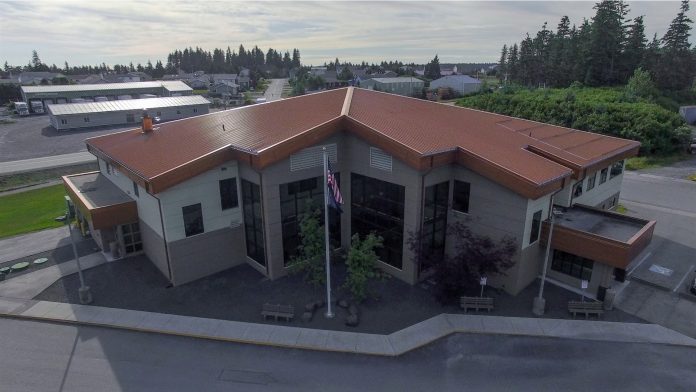
About Kodiak Area Native Association (KANA)
Kodiak Area Native Association (KANA) is an outpatient addiction treatment and behavioral health provider in Kodiak, Alaska serving the Koniag region as a culturally responsive Alaska Native nonprofit.
At the Alutiiq Enwia Health Center the team offers general and intensive outpatient care, counseling, and integrated support for co-occurring substance use and mental health conditions.
I noted they are known for their community rooted whole person approach to recovery.
What kinds of addiction treatment does KANA offer?
KANA provides standard and intensive outpatient programs as well as aftercare planning, along with assessments, treatment planning, and case management.
Therapies include cognitive behavioral therapy and dialectical behavior therapy, EMDR and trauma informed care, family therapy, and medication assisted treatment with telehealth options available.
Who can get help here?
KANA serves children, adolescents, and adults. I found they also welcome LGBTQ+ clients and those with co-occurring addiction and mental health conditions.
Do you take insurance or self-pay?
KANA accepts private insurance, Medicaid, Medicare, TRICARE/military insurance, ITU Funds, and self pay. Sliding scale payment options are also available.
Amenities
Private drug rehab provides a comfortable, secure environment that allows you to focus on doing the work to get your life back on track. Benefits include a higher staff-to-client ratio, increased one-on-one time with therapists and healthcare providers, private rooms for clients, and customized forms of therapy.
In order to maintain a sense of autonomy, many private rehab facilities offer clients the ability to choose their own private rooms. The privacy and personal space ensure that the recovery process is as comfortable as possible.
Addiction treatment in the metro area benefits clients by offering seamless connections from the city, around the state, and those seeking out-of-state treatment. Another benefit of attending a metro area drug rehab is that you’re close to major airports and ground transportation services.
Residential drug rehab provides the comforts of home with the therapeutic support needed to successfully recover. Benefits of an inpatient program include increased safety, a higher success rate, and the time and distance given to focus on recovery. Residential drug rehabs are often the preferred method of treatment, as they can be tailored to meet specific needs, offer focused therapeutic care, and provide the necessary tools to sustain recovery.
Addiction Treatment Programs
Each young adult program in Alaska focuses on meeting the social, educational, psychological, physical, and spiritual needs of young adults who are struggling with addiction. Programs vary from inpatient to outpatient, offering different levels of care.
Each adult program in Alaska is unique, but they all share the same goal of recovery. These programs offer treatment of substance abuse disorders for individuals 18 and older. Methods typically include a combination of therapies, medication, and social support.
Gender-specific addiction treatment can target recovery issues faced by men. Men’s rehab in Alaska focuses on challenges specific to males as they struggle with alcohol or drug use disorders.
The techniques used to treat substance use disorders among men don’t always work as effectively with women. That’s why women’s rehab in Alaska provides gender-specific treatment that focuses on the unique needs of women.
In Alaska, cognitive behavioral therapy is used widely in substance use disorder treatment. It helps by teaching people how to address problematic feelings and thoughts so they can overcome addiction and move forward in recovery.
Elderly rehab in Alaska offers specialized addiction treatment for senior adults. Programs are typically for ages 55 and older or 65 and older. Treatment is tailored to the unique circumstances and needs of the elderly population.
The same techniques used to treat men for substance use disorders don’t always work as effectively with women. That’s why women’s rehab in Alaska provides gender-specific treatment that focuses on the unique needs of women.
Rational emotive behavioral therapy in Alaska focuses on how irrational beliefs negatively influence a person’s behavior. Treatment helps the person see how their beliefs drive their reactions and behaviors and helps them redirect their thoughts to prevent addictive behaviors.
Assertive Community Treatment (ACT) is an integrative, community-based care strategy designed to address the needs of persons with severe and/or complex mental illness or behavioral disorders. ACT is typically provided by a multidisciplinary team of medical and mental health care providers, social workers, therapists, and other specialists, including addiction recovery professionals. These services are frequently provided in the home and community to clients in crisis, those who are clinically unstable, and those who are unable or unwilling to travel to a hospital or clinic for in-person treatment.
Levels of Care
In Alaska, outpatient rehab settings provide several hours of treatment each week, including individual and group therapy. This type of program is less restrictive than inpatient rehab, allowing you to attend therapy to overcome your addiction while still fulfilling work and school obligations.
Dual diagnosis is when you’re struggling with mental illness and addiction at the same time. Alaska dual diagnosis treatment takes a multidisciplinary approach to treat both conditions simultaneously.
Before treatment at a drug rehab in Alaska can begin, intervention services are often needed. These include pre-intervention counseling with family members, facilitating an intervention, developing a treatment program, and assistance with admittance to a program.
Accreditations
Contact Information


 Sponsored
Kimberly Hawkins holds a master’s degree in computing and information sciences from East Tennessee State University. She is a content writer specializing in alcoholism, drug addiction, and co-occurring disorders. Kimberly has been passionate about the subject of addiction since her only sibling passed away due to an accidental overdose. Her other interests include playing the piano, being in tranquil natural environments, and spending time with her adult children.
Rehabs.org regularly reviews this listing for accuracy but changes may occur between updates. For the most up-to-date information, please contact Kodiak Area Native Association (KANA).

