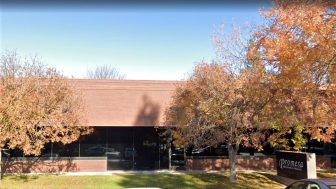
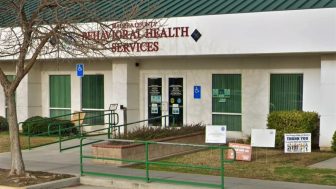
Kings View Community Services
125 S D St
#101
Madera, CA 93638
 Sponsored
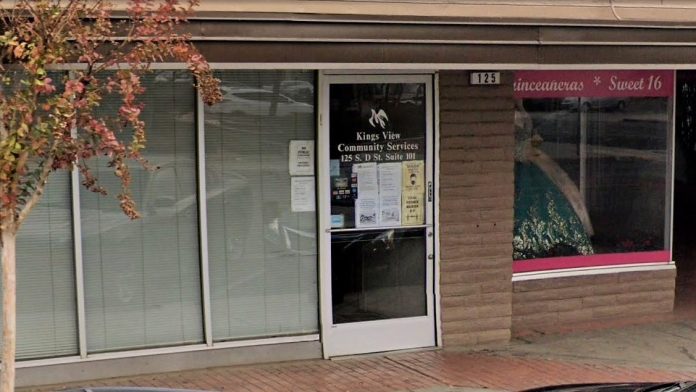
About Kings View Community Services
Kings View Community Services in Madera, California provides care for mental health and co-occurring substance use disorders. They also have DUI classes, help for homeless individuals and a Collaborative Justice Treatment Court (CJTC). Services are available in Spanish and English.
The clinic accepts everyone regardless of ability to pay and accepts insurance plans as well. They also have a sliding scale of fees for those without coverage.
DUI Programs and Treatment Court in Madera
Kings View has provided DUI services in California since 1975. I noticed they have the full continuum of classes, from Wet Reckless and First Offense all the way up to the DUI program that runs 18 months.
This location also has a PC 1000 Diversion program which provides education and treatment for first time offenders of minor drug violations. The CJTC helps reduce recidivism of those who struggle with mental illness and substance use. Kings View provides behavioral health services and treatment for these individuals.
Additional Support for the Homeless
Another thing that caught my attention was the Path Program that helps homeless individuals with social services. They provide housing, medical care, mental health treatment, and other community resources.
Amenities
Taking time away from a demanding corporate job to attend drug rehab may seem impossible, but executive drug rehab programs combine cutting edge addiction treatment with executive amenities like Wi-Fi, access to computers, and conference calling so you can take care of your health and stay on top of business.
Addiction Treatment Programs
An adult program in California uses various therapeutic methods to treat a person who is dependent on an addictive substance. Individuals aged 18 and older are eligible for treatment, which focuses on breaking the cycle of addiction and learning how to maintain sober living.
Alcohol rehab in California provides professional treatment to guide participants through each step of recovery. Programs offer a support system to walk you through challenges and celebrate victories with you, from detox to long-term sobriety.
Drug rehab in California teaches participants constructive ways to stay clean and sober. Treatment revolves around helping individuals stop using the substance they are addicted to and learn healthy habits to avoid relapse.
Gender-specific addiction treatment programs may be more effective in treating men because they focus on unique needs of males. Men’s rehab in California is designed to help men process emotions and cope with stress in a judgment-free environment.
For those who are struggling with opioid use disorder, help is available at opioid rehab in California. This complex addiction can be treated through a combination of evidence-based therapies and medication assisted treatment.
Women’s rehab in California provides a safe environment where women can work through addiction challenges surrounded by their gender peers. This often creates an environment that is more conducive to recovery.
Levels of Care
When you enter drug rehab in California, detox is the first step towards becoming drug-free. The detox process includes 24/7 monitoring and medical care and may include the use of medications to ease withdrawal symptoms.
When you choose outpatient rehab in California, you will meet with a counselor and attend support group meetings. The focus will be on restructuring attitudes and thoughts to reduce cravings and develop skills to prevent relapse. The length of time in outpatient rehab varies by individual, based on their recovery needs.
When you have a co-occurring disorder, it is essential to treat both your addiction and the mental health disorder. California dual diagnosis treatment provides this type of multidisciplinary approach, for improved recovery outcomes.
Intervention services in California provide the support you need to encourage a loved one to make wise recovery decisions. Professionals will help you work with your loved one to develop an intervention plan and get him or her started on their recovery journey.
Accreditations
Contact Information


 Sponsored