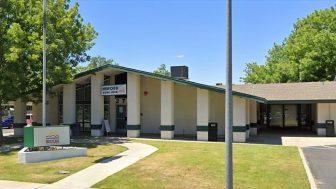
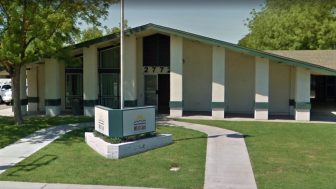
King of Kings Community Center
2302 Martin L. King Jr. Blvd
Fresno, CA 93706
 Sponsored
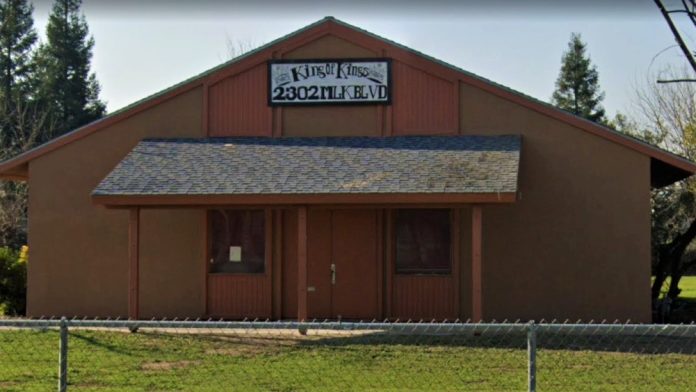
About King of Kings Community Center
The King of Kings Community Center in Fresno, California was established as a Lutheran center in 1969 that helped troubled teens. Today the organization is an outpatient substance use treatment center for adults.
Men’s Substance Use Treatment
The adult men’s outpatient program has two options for Monday and Friday. You can choose the morning session from 9:00 am to 10:30 am or the evening session from 3:30 pm to 5:00 pm. Wednesdays only have the evening option from 3:30 pm to 5:00 pm.
You will be educated about drugs and alcohol and the dangers of substance use, and practice some goal setting in group sessions. You will receive some personalized sessions where you can speak privately with your therapist.
This program may be an alternative to incarceration. Before treatment completion you will learn how to prevent relapses. An aftercare plan will be offered to you as well which I think is vital for long term success.
Pregnant and Postpartum Women’s Treatment
I think it’s notable that they have a program here that’s exclusive to pregnant and postpartum clients. This intensive outpatient program meets Mondays, Wednesdays, and Fridays from 11:00 am to 12:30 am. Women who are eligible for Medi-Cal benefits can enroll in the program. Treatment is provided for substance use disorders and co-occurring disorders.
Aftercare and Relapse Prevention
After treatment completion you will attend 36 We Care sessions which provide aftercare and relapse prevention training. You will still receive some individualized sessions and will be randomly drug tested. Clients are expected to attend community support groups such as AA or NA.
Referrals for Residential Treatment or Transitional Housing
Men needing more intensive care may be referred to the residential recovery home that this community center is connected to. The program is contracted with the Fresno County Health Services Agency and provides treatment for substance use and co occurring disorders.
Transitional housing is available to men who need a sober living environment during early stages of recovery. The program charges an affordable amount and allows men to continue treatment while getting back on their feet.
Amenities
Residential drug rehab provides the comforts of home with the therapeutic support needed to successfully recover. Benefits of an inpatient program include increased safety, a higher success rate, and the time and distance given to focus on recovery. Residential drug rehabs are often the preferred method of treatment, as they can be tailored to meet specific needs, offer focused therapeutic care, and provide the necessary tools to sustain recovery.
Addiction Treatment Programs
Typically, a young adult program in California can guide individuals from detox, through initial treatment, and extends to aftercare. Treatment gives young adults what they need to reset their lives and move to the next stage of life free from addiction.
An adult program in California uses various therapeutic methods to treat a person who is dependent on an addictive substance. Individuals aged 18 and older are eligible for treatment, which focuses on breaking the cycle of addiction and learning how to maintain sober living.
Alcohol rehab in California provides professional treatment to guide participants through each step of recovery. Programs offer a support system to walk you through challenges and celebrate victories with you, from detox to long-term sobriety.
Gender-specific addiction treatment programs may be more effective in treating men because they focus on unique needs of males. Men’s rehab in California is designed to help men process emotions and cope with stress in a judgment-free environment.
For those who are struggling with opioid use disorder, help is available at opioid rehab in California. This complex addiction can be treated through a combination of evidence-based therapies and medication assisted treatment.
When a person is struggling with addiction, their actions and emotions may not be rational. Cognitive behavioral therapy in California helps individuals understand better why they feel and act certain ways and how those emotions and actions can lead to substance abuse.
Seniors face unique challenges that may contribute to substance use disorder and co-occurring disorders. Elderly rehab in California is designed to address these challenges to provide relevant and safe treatment for seniors.
The incidence of substance abuse and addiction is higher among the LBGTQ community. That’s why LBGTQ-friendly rehab in California is available, to offer specialized treatment that addresses the unique needs of individuals in this demographic.
Veterans often face unique challenges from combat and military deployment. Veteran’s rehab in California addresses these issues as part of a comprehensive addiction treatment program.
Levels of Care
When you have a co-occurring disorder, it is essential to treat both your addiction and the mental health disorder. California dual diagnosis treatment provides this type of multidisciplinary approach, for improved recovery outcomes.
Community support and relationship-building are key elements of aftercare rehab in California. You’ll receive recovery coaching, social support, and mentors to help you maintain sobriety after completing initial rehab treatment. This support will continue as long as you need it, which could be weeks or more than a year.
Unlike outpatient drug rehab, clients receiving inpatient rehab in California reside at the facility for the duration of the program. The length of stay may range from two weeks to 18 months or more, depending on the client's needs and the program’s design.
Accreditations
Contact Information


 Sponsored