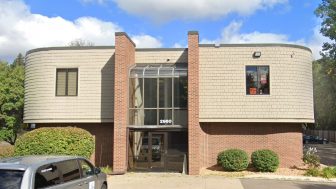
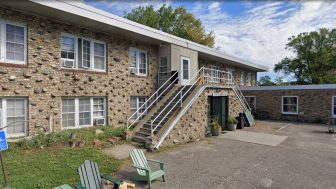
Judy Retterath Withdrawal Management Center
 Sponsored
About Judy Retterath Withdrawal Management Center
Adolescents as young as 13 are admitted to Judy Retterath Withdrawal Management Center, and so are adult men and women. The rehab center in Plymouth, Minnesota is an inpatient detox program for people who are intoxicated or in withdrawal from alcohol or other drugs.
I appreciate their comprehensive care. Their team includes counselors, nurses and trained technicians.
I also like their flexible scheduling. Admissions are open 24 hours a day, seven days a week.
Paying for a Detox Stay
You may qualify for financial help from the county. You can also pays through insurance or out of pocket. Private pay clients are charged a daily rate with three days due upfront.
A typical detox stay runs two to three days in a 21-bed facility. You have to be medically stable before discharge.
People already on medication for opioid use disorder are accepted here, though the center doesn't prescribe it.
The center was founded in 1978 as Mission Detox Center. It's located on the north shore of Medicine Lake in Plymouth.
Amenities
Residential drug rehab provides the comforts of home with the therapeutic support needed to successfully recover. Benefits of an inpatient program include increased safety, a higher success rate, and the time and distance given to focus on recovery. Residential drug rehabs are often the preferred method of treatment, as they can be tailored to meet specific needs, offer focused therapeutic care, and provide the necessary tools to sustain recovery.
Addiction Treatment Programs
Recovery is not the same for young adults as it is for older individuals. A young adult program in Minnesota treats the patient as a whole, addressing unique life-stage challenges, dual diagnosis issues, and substance abuse.
When an individual struggles with drug and alcohol use, an adult program in Minnesota can provide treatment and mental health support. Designed for men and women over the age of 18, these programs help individuals obtain and maintain sobriety.
The goal of alcohol rehab in Minnesota is to help you make mental and behavioral changes that lead to recovery and long-term sobriety. Most methods rely on a combination of group and individual counseling to accomplish these goals.
Individuals who attend men’s rehab in Minnesota can expect to spend much of their days in therapy sessions. Therapy is focused on men only, and teaches men how to control urges and cravings and live a healthy, sober lifestyle.
During women’s rehab in Minnesota, women participate in evidence-based therapies to treat their substance use disorders. Therapy methods include individual, group, family, cognitive-behavioral, and dialectical behavior therapy.
After evaluating your needs and budget, staff at opioid rehab in Minnesota will help you determine the length of your treatment and its intensity level, to properly address your degree of opioid dependence. Most programs include detox, addiction therapy, specialized care, and aftercare support.
Cognitive behavioral therapy in Minnesota is based on rapid, action-focused treatment. This works well for 60 to 90-day rehab programs by providing participants with immediate and effective coping techniques.
Drug rehab in Minnesota often starts with assessment. Once needs are determined, the individual typically begins treatment with detox, then enters rehab, and finally receives aftercare once the program is complete. This continuum of care offers appropriate levels of support at each stage to help the individual achieve long-term recovery.
Levels of Care
Left untreated, mental disorders complicate substance abuse disorders and make addiction treatment ineffective. Dual diagnosis treatment in Minnesota addresses both, making it ideal for those who have co-occurring disorders.
If you choose inpatient drug rehab in Minnesota, often referred to as residential rehab, you’ll receive 24/7 care while living at the rehab facility. Typical treatment services include individual and group therapy, medication management, and relapse prevention education.
Sober living in Minnesota gives you the opportunity to apply the tools you acquired in rehab, in an independent but structured environment. You’ll reside with others in recovery, adhering to house rules such as curfew and a no-drug policy. As you work or go to school and contribute to household responsibilities, you’ll learn to live a drug-free life.
Intervention services can be a valuable tool for getting your loved one on the path to recovery. An intervention program can help you stage an intervention, develop a treatment plan, and navigate the admission process to drug rehab in Minnesota.
Accreditations
Contact Information


 Sponsored
Amy Greene’s first novel Bloodroot was a New York Times and National Bestseller and a New York Times Editor’s Choice pick. Her second novel Long Man was a Washington Post Top Book of the Year. She lives in the Smoky Mountains of East Tennessee with her husband and two children.
Rehabs.org regularly reviews this listing for accuracy but changes may occur between updates. For the most up-to-date information, please contact Judy Retterath Withdrawal Management Center.