Jps Specialty Clinic
501 West Main Street
Arlington, TX 76010
 Sponsored
About Jps Specialty Clinic
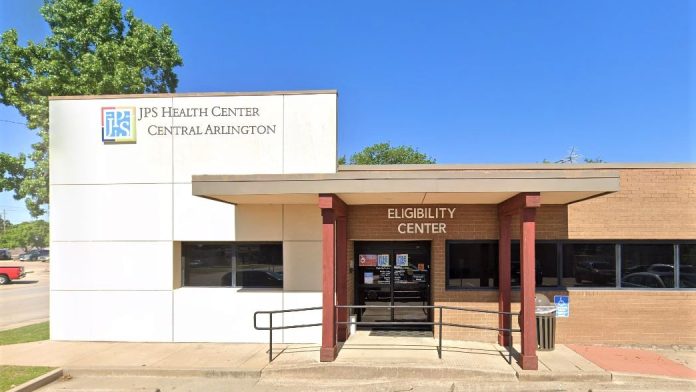
JPS Health Center Central Arlington Behavioral Health is an alcohol, drug, and mental health treatment center for adolescents and adults in Arlington, Texas. Their levels of care include inpatient and outpatient treatment. All clients are provided services in an age-specific format.
JPS Health Center Central Arlington Behavioral Health provides treatment for a wide variety of conditions including chemical addiction, behavioral addictions, process addictions, dual diagnosis, and mental health challenges. Individuals who need immediate help may utilize the psychiatric emergency center. Common areas of treatment include self-harm, grief and loss, anxiety, depression, anger management issues, phobias, OCD, mood disorders, psychosis, trauma, and relationship issues. Clients are encouraged to learn new skills and begin to practice them in their daily lives while undergoing treatment. Each person works closely with a mental health provider to establish new coping patterns and skills for long-term rehabilitation. JPS Health Center Central Arlington Behavioral Health invites prospective clients to reach out to discuss insurance benefits and payment options.
Amenities
Private drug rehab provides a comfortable, secure environment that allows you to focus on doing the work to get your life back on track. Benefits include a higher staff-to-client ratio, increased one-on-one time with therapists and healthcare providers, private rooms for clients, and customized forms of therapy.
Residential drug rehab provides the comforts of home with the therapeutic support needed to successfully recover. Benefits of an inpatient program include increased safety, a higher success rate, and the time and distance given to focus on recovery. Residential drug rehabs are often the preferred method of treatment, as they can be tailored to meet specific needs, offer focused therapeutic care, and provide the necessary tools to sustain recovery.
Music can be extremely therapeutic, serving as a valuable healing tool and an integrative feature of a holistic treatment plan. A music room offers a large number of outlets, including singing, playing musical instruments, and listening to music.
Addiction Treatment Programs
The goal of a young adult program in Texas is to set young people free from the effects of addiction and give them the skills they need to successfully navigate early adulthood. This is accomplished with age-appropriate settings, therapies, and activities.
The Lone Star State offers a host of options for those in search of an adult program in Texas. From inpatient to outpatient care, adults can find a program that meets their needs for effective treatment of substance use issues.
Men’s rehab in Texas can create an environment that makes men more comfortable. Many men in Texas seek out this type of treatment for its gender-specific benefits.
Many gender-specific issues must be addressed during addiction recovery. Women’s rehab in Texas provides the appropriate support for women’s challenges such as body image, motherhood, and trauma.
The goals of cognitive behavioral therapy in Texas include evaluating thoughts and changing thinking patterns that are leading to substance use. This treatment helps participants understand their motives and problem-solve to work through challenges without the use of substances.
Elderly rehab in Texas provides treatment that is best-suited for the age, physical condition, and emotional condition of each participant. Staff are trained in geriatric issues and customize addiction treatment to address these concerns.
Rational emotive behavioral therapy in Texas follows a model used to guide clients to change their behaviors and achieve recovery. The model involves identifying an activating event, beliefs about that event, and how those beliefs lead to consequences.
Sound & Music Therapy are complementary treatment modalities frequently used in addiction recovery to support clients’ physical, mental, and emotional wellbeing through the use of auditory stimuli, from nature sounds and Tibetan singing bowls to drum circles and rhythmic melodies. The treatment is believed to reduce symptoms of anxiety and depression and may offer relief for those experiencing chronic pain, which can decrease clients’ risk of addiction relapse.
When you enter alcohol rehab in Texas, you’ll find support systems to help you on your recovery journey. Professional counselors, physicians, and other people in recovery provide services and support to help you make changes and learn how to enjoy a sober lifestyle.
Through therapy, counseling, and medication assisted treatment, individuals in opioid rehab in Texas gain the skills they need to live a healthier life. The goal is to help you take control of your life and prevent relapse.
While in a drug rehab in Texas, you’ll deal with underlying issues that contribute to addiction. By addressing these challenges and learning healthy ways to cope with them, you’ll develop strategies that help you live a drug-free lifestyle.
Levels of Care
Outpatient rehab in Texas provides a means for addition treatment while you live at home. You will attend regular therapy sessions and typically maintain involvement with a 12-step program. Because it is tailored for each person’s needs, there is no set timeline for completion of outpatient rehab.
A dual diagnosis treatment center in Texas provides programs for people who struggle with both substance abuse and mental illness. Treating both disorders through an integrated approach is essential for recovery.
The initial weeks and months after rehab treatment are often the most difficult. Aftercare rehab in Texas is designed to help you successfully navigate these challenging times and maintain sobriety. You’ll receive emotional, mental, and practical supports, for up to a year or more after treatment.
Partial hospitalization programs (PHPs) in Texas can provide an effective alternative to inpatient care. These drug rehab programs offer many of the same treatments offered in residential care, but you don’t have to stay overnight.
Detox in Texas is your first step toward a drug-free future. During this phase, your systems are cleansed of all addictive substances. You’ll receive 24/7 care, which may include medication to alleviate withdrawal symptoms.
Inpatient drug rehab in Texas can last from a few weeks to mor than 90 days. During that time, you live at the facility and receive round-the-clock supervised care. Treatment typically includes individual and group therapy.
Accreditations
Accepted Insurance




Contact Information


 Sponsored