UConn Health Talcott Notch Office
10 Talcott Notch Rd
Farmington, CT 06032
 Sponsored
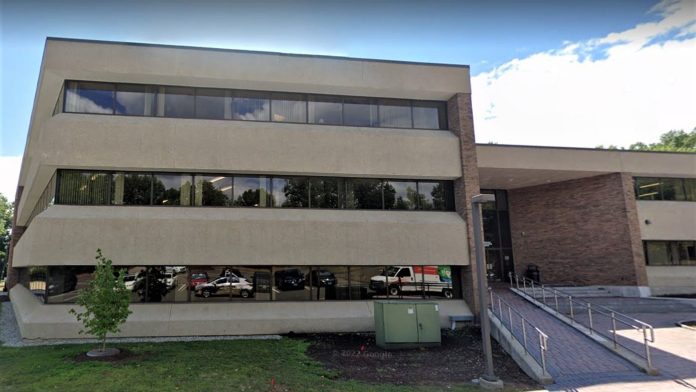
About UConn Health Talcott Notch Office
UConn Health Talcott Notch Office can be found in Farmington, Connecticut. They offer psychiatric treatment services in a hospital setting for adults and seniors with co-occurring mental health issues and addiction disorders.
The staff offers services to adults and geriatric patients in addition to emergency crisis services. Their main focus is providing research-based services including clinical trials for folks experiencing mood disorders particularly to those in the adult and geriatric populations.
There’s a focus on those with trauma and stress or have Huntington’s Disease, depression and anxiety and other disorders. They utilize groundbreaking investigational medications through clinical trials to help you find the best path towards your recovery and long-term wellness.
Alcohol Research OnSite
UConn Health is also the home to the Alcohol Research Center, which provides various clinical trials and treatment programs to address alcohol disorders. I find it good to know that this program is the longest-funded program for alcohol research through the National Institute on Alcohol Abuse and Alcoholism.
Behavioral Health Trauma Care for All Ages
I love that as a research-based facility, they focus on trauma, alcohol and substance use disorders. This can consist of electroconvulsive therapy, family group sessions, or education workshops.
Amenities
Private drug rehab provides a comfortable, secure environment that allows you to focus on doing the work to get your life back on track. Benefits include a higher staff-to-client ratio, increased one-on-one time with therapists and healthcare providers, private rooms for clients, and customized forms of therapy.
In order to maintain a sense of autonomy, many private rehab facilities offer clients the ability to choose their own private rooms. The privacy and personal space ensure that the recovery process is as comfortable as possible.
Addiction Treatment Programs
If you are looking for a young adult program in Connecticut, many options are available. Programs include inpatient, partial hospitalization programs (PHP), intensive outpatient programs (IOP), outpatient, aftercare, and dual diagnosis.
For those who have a substance use disorder, an adult program in Connecticut offers crucial support. Designed to treat individuals 18 and older, these rehab programs help adults learn how to live their lives free from dependence on substances.
Adults who attend men’s rehab in Connecticut have the opportunity to connect with other men who are struggling with similar addiction issues. This is important for recovery, as men are often more comfortable talking about their struggles with other men.
Women often find it easier to work through their addiction issues in women’s rehab in Connecticut. Surrounded by other women who understand their struggles, they can feel free to share openly and find support.
In Connecticut, cognitive behavioral therapy helps individuals identify impulsive thoughts and feelings of fear and self-doubt. It equips them to manage these negative thoughts and feelings without the use of substances.
Rational emotive behavioral therapy in Connecticut is a commonly used substance use treatment method. This treatment can be applied in individual, family, and group therapy settings. It helps participants recognize triggers and unhealthy thinking patterns and create coping mechanisms to maintain sobriety.
Levels of Care
Many individuals turn to outpatient rehab in Connecticut after they complete an inpatient program. This treatment is less intensive and usually involves attending several counseling sessions per week and attending a support group such as NA or AA. Outpatient rehab may be short or long-term, depending on the needs of the individual.
When you have a co-occurring disorder, you have both a substance abuse disorder and a mental health disorder. Dual diagnosis in Connecticut specializes in treating both conditions simultaneously, which is crucial for successful recovery.
Accepted Insurance




Contact Information


 Sponsored