
Felicia Mahood Multipurpose Center
11338 Santa Monica Boulevard
Los Angeles, CA 90025
 Sponsored
About Felicia Mahood Multipurpose Center
The Felicia Mahood Multipurpose Center is a retirement facility serving seniors over 50 in the greater Los Angeles County of California. They’re located on Santa Monica Blvd in Los Angeles.. They’re one of several programs operated by Jewish Family Service LA (JFSLA), a trusted social service agency that has supported Los Angeles residents for over 165 years.
Supportive Services for Los Angeles Seniors
From recreational support to case management, the senior center provides a broad range of services for older adults. They offer daily congregate meals, referral support to community resources and government benefits alongside help with form completions.
They provide transportation to grocery stores, routine doctor appointments and day care alongside RSVP opportunities and senior club activities.
AARP Safe Driving courses, income tax assistance and legal consultations are other essential services available here. They even offer HICAP (Health Insurance Counseling and Advocacy Program) counseling to help seniors understand their Medicare benefits, coverage options and rights.
Many recreational and social activities are available to help seniors keep fit, stay mentally engaged, and build meaningful connections with others in their community. These range from line dancing, zumba and croquet to tai chi and jazzercise.
Outpatient Treatment for Substance Use
Seniors facing substance use challenges or mental health issues benefit from tailored support provided by licensed and compassionate experts at JFSLA. This outpatient recovery program serves adult residents of Los Angeles County who are Medi-Cal or Medicare beneficiaries.
I like that services are accessible not only at JFSLA offices but can also be delivered at your home or a preferred community location. You can even choose telehealth if that’s more convenient. This flexibility enhances comfort and removes barriers to substance use recovery and mental health treatment.
I also think it’s great that they offer services in English, Spanish, Russian and Farsi to accommodate the diverse linguistic needs of their clients. Recovery starts with a detailed assessment and personalized care plan, then unfolds through tailored therapy that supports your journey every step of the way.
Through therapy, you’ll learn to process past trauma, manage anger/stress and daily challenges while building effective strategies to prevent relapse and move forward with confidence.
Psychotherapy and psychiatric care, including medication management, are woven into your recovery plan to address underlying mental health challenges. This integrated model promotes whole-person healing by helping you work through emotional pain, build healthier habits and move forward with greater stability. They may connect you with community agencies to provide additional support and resources that enhance your wellbeing.
JFSLA also provides domestic violence counseling as well as synagogue-based and culturally competent counseling tailored to the needs of the Jewish community.
Amenities
Private drug rehab provides a comfortable, secure environment that allows you to focus on doing the work to get your life back on track. Benefits include a higher staff-to-client ratio, increased one-on-one time with therapists and healthcare providers, private rooms for clients, and customized forms of therapy.
Residential drug rehab provides the comforts of home with the therapeutic support needed to successfully recover. Benefits of an inpatient program include increased safety, a higher success rate, and the time and distance given to focus on recovery. Residential drug rehabs are often the preferred method of treatment, as they can be tailored to meet specific needs, offer focused therapeutic care, and provide the necessary tools to sustain recovery.
Recreational therapy uniquely combines therapeutic interventions with an activity, like horse-riding, hiking, wilderness therapy, basketball, tennis, or a full workout. Benefits of recreational therapy include providing a healthy way to work through the emotions of recovery, learning to build and maintain relationships, improving communication skills, and building self-esteem.
Transportation services are designed to ensure your addiction treatment begins and ends successfully by offering free transportation to the rehab facility, to and from your appointments during rehab, and back home upon program completion.
Hiking is a great way to relieve stress, get perspective, navigate challenges, connect with nature, and improve your health - all essential components of sustaining long-term recovery. Studies also show that the body releases endorphins during physical activities like hiking. These endorphins improve mood and act as a natural pain reliever.
In order to maintain a sense of autonomy, many private rehab facilities offer clients the ability to choose their own private rooms. The privacy and personal space ensure that the recovery process is as comfortable as possible.
Wilderness rehab programs offer all the benefits of a traditional drug rehab, but with the added benefits of outdoor adventure. Venture out into the forest to learn new skills, explore the beauty of nature, and relieve stress. Engaging in wilderness activities is a great way to gain self-discovery and release negative emotions.
When used as part of an evidence-based treatment plan, basketball can boost physical and mental health, lead to sharper thinking, and facilitate improved self-esteem. Drug rehabs with a basketball court also place a focus on teamwork and cooperation.
Addiction Treatment Programs
Gender-specific addiction treatment programs may be more effective in treating men because they focus on unique needs of males. Men’s rehab in California is designed to help men process emotions and cope with stress in a judgment-free environment.
Women’s rehab in California provides a safe environment where women can work through addiction challenges surrounded by their gender peers. This often creates an environment that is more conducive to recovery.
When a person is struggling with addiction, their actions and emotions may not be rational. Cognitive behavioral therapy in California helps individuals understand better why they feel and act certain ways and how those emotions and actions can lead to substance abuse.
Seniors face unique challenges that may contribute to substance use disorder and co-occurring disorders. Elderly rehab in California is designed to address these challenges to provide relevant and safe treatment for seniors.
Therapists often use rational emotive behavioral therapy in California to treat addiction. The ABC (activating event, beliefs, consequences) framework is used to help participants identify irrational beliefs and reframe their thinking in healthier ways.
Fitness therapy is an evidence-based complementary approach to addiction recovery and mental health care. Based on mounting scientific evidence of the benefits of physical activity in improving mood, enhancing clients’ sense of wellbeing, and decreasing depression and anxiety, fitness therapy encompasses a wide spectrum of intensities, from gentle yoga, qigong, and tai chi to weight training, kickboxing, and other highly physical activities.
Assertive Community Treatment (ACT) is an integrative, community-based care strategy designed to address the needs of persons with severe and/or complex mental illness or behavioral disorders. ACT is typically provided by a multidisciplinary team of medical and mental health care providers, social workers, therapists, and other specialists, including addiction recovery professionals. These services are frequently provided in the home and community to clients in crisis, those who are clinically unstable, and those who are unable or unwilling to travel to a hospital or clinic for in-person treatment.
Levels of Care
When you choose outpatient rehab in California, you will meet with a counselor and attend support group meetings. The focus will be on restructuring attitudes and thoughts to reduce cravings and develop skills to prevent relapse. The length of time in outpatient rehab varies by individual, based on their recovery needs.
When you have a co-occurring disorder, it is essential to treat both your addiction and the mental health disorder. California dual diagnosis treatment provides this type of multidisciplinary approach, for improved recovery outcomes.
Community support and relationship-building are key elements of aftercare rehab in California. You’ll receive recovery coaching, social support, and mentors to help you maintain sobriety after completing initial rehab treatment. This support will continue as long as you need it, which could be weeks or more than a year.
Unlike outpatient drug rehab, clients receiving inpatient rehab in California reside at the facility for the duration of the program. The length of stay may range from two weeks to 18 months or more, depending on the client's needs and the program’s design.
California sober living has been shown to reduce relapse and improve recovery. These programs offer highly-structured living environments for those who desire to remain sober. House rules usually include abstinence from substances, participation in 12-step meetings, and contribution to household responsibilities.
Intervention services in California provide the support you need to encourage a loved one to make wise recovery decisions. Professionals will help you work with your loved one to develop an intervention plan and get him or her started on their recovery journey.
Accreditations
Contact Information


 Sponsored
Nearby Treatment Centers

11301 Wilshire Boulevard
Bldg 212
Los Angeles, CA 90073
11901 Santa Monica Boulevard
Suite 204
Los Angeles, CA 90025
11301 West Olympic Boulevard
Suite 386
Los Angeles, CA 90064
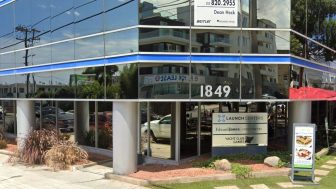
1849 Sawtelle Boulevard
Suite 100
Los Angeles, CA 90025
