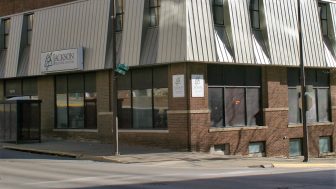
Rosecrance Jackson Centers Cynthia House
2309 Jackson Street
Sioux City, IA 51104
 Sponsored
About Rosecrance Jackson Centers Cynthia House
Cynthia House Women's Halfway House - Sioux City, Iowa, is a residential program offering structured support for women in early recovery. You can receive care that includes therapy, 12 Step groups, and guidance in building life skills. What we appreciate most about them is their commitment to helping you regain stability in small, consistent steps.
Safe Residential Support in Sioux City
You can live at Cynthia House while receiving 24 hour care in a non smoking, non vaping setting. The home can serve up to 10 women at a time, creating space for meaningful connection. Onsite counselors are available to help you work through the challenges of early recovery.
Options for Ongoing Help in Woodbury County
Long term residential care is available if you need more time to stabilize and grow. Outpatient services including intensive outpatient care allow you to continue therapy while living independently. Transitional services help you plan your next steps after leaving the program.
Therapy and Daily Tools for Healing
Therapy includes cognitive behavioral approaches that help you notice how your thoughts influence your choices. You may also learn dialectical behavioral skills, which focus on managing emotions and staying present. These tools can support you during tough moments.
Support for Complex Needs
The program is designed for adult women including young and older adults. If you live with both substance use and mental health conditions, staff can help you manage both. We like that support continues even after discharge.
Affordability and Access in Iowa
You can pay for care using Medicaid, private insurance, or government funding. A sliding fee scale is available based on your income and personal circumstances. Self pay options are also accepted.
Exploring Recovery After Appointments
After appointments or group sessions, you can take a walk at Grandview Park or visit the Sioux City Public Museum. Volunteering with local groups is encouraged and supported. These amazing activities can help you rebuild a sense of purpose and connection.
Amenities
Private drug rehab provides a comfortable, secure environment that allows you to focus on doing the work to get your life back on track. Benefits include a higher staff-to-client ratio, increased one-on-one time with therapists and healthcare providers, private rooms for clients, and customized forms of therapy.
Recreational therapy uniquely combines therapeutic interventions with an activity, like horse-riding, hiking, wilderness therapy, basketball, tennis, or a full workout. Benefits of recreational therapy include providing a healthy way to work through the emotions of recovery, learning to build and maintain relationships, improving communication skills, and building self-esteem.
Residential drug rehab provides the comforts of home with the therapeutic support needed to successfully recover. Benefits of an inpatient program include increased safety, a higher success rate, and the time and distance given to focus on recovery. Residential drug rehabs are often the preferred method of treatment, as they can be tailored to meet specific needs, offer focused therapeutic care, and provide the necessary tools to sustain recovery.
Addiction Treatment Programs
A young adult program in Iowa specializes in addiction treatment for young people from their teen years through their late 20s. Some include adults up through age 32. Treatment focuses on recovery challenges that are specific to this stage of life.
Treatment at an adult program in Iowa is targeted for men and women over the age of 18. These recovery services focus on establishing healthy coping skills that allow individuals to stop abusing substances.
Women and men react differently biologically, emotionally, and socially to substance abuse and addiction. That’s why women’s rehab in Iowa provides treatment targeted to meet women’s needs.
Triggers can cause a person who is addicted to crave a substance and relapse. Cognitive behavioral therapy in Iowa teaches people how to manage these triggers in multiple ways that don’t involve turning to substances.
EMDR Therapy is a neurobiological treatment modality used to address trauma disorders and related mental and behavioral health challenges. Short for eye movement desensitization and reprocessing, EMDR is designed to help clients cope with distressing memories and emotions, including fear, sadness, and anger. EMDR may help clients in addiction recovery manage the psychological and emotional triggers that contribute to substance misuse and/or addiction relapse.
Levels of Care
Outpatient rehab in Iowa is tailored to fit each person’s needs. It may last a few weeks or more than a year. During that time, you will attend regular therapy sessions and receive support from a group such as AA or NA. This treatment will help you put strategies in place to prevent relapse and promote recovery.
Iowa dual diagnosis treatment centers focus on treating both mental health and substance abuse disorders. Since these two conditions interact heavily, this dual program is crucial to meet the needs of those who have co-occurring disorders.
Accreditations
Contact Information


 Sponsored