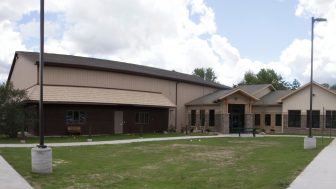
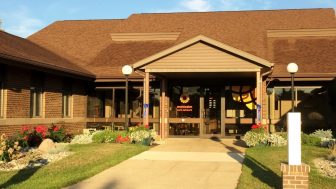
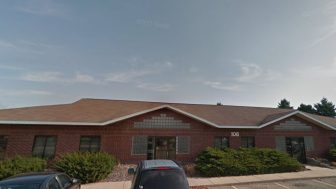
The Right Door for Hope Recovery and Wellness
375 Apple Tree Dr
Ionia, MI 48846
 Sponsored
About The Right Door for Hope Recovery and Wellness
The Right Door for Hope Recovery and Wellness is a Certified Community Behavioral Health Clinic that provides a variety of services that people can access in person or through telemedicine in Iona, Michigan. Along with treating substance use disorders, this center is also equipped to provide dual diagnosis support for individuals struggling with underlying medical conditions.
The quaint town of Iona serves as the perfect backdrop for your healing thanks to a bustling downtown district. Meanwhile, the Ionia State Recreation Area offers a great natural respite after completing counseling sessions.
Outpatient Support That Fits in Your Life
The Right Door for Hope Recovery and Wellness is designed to provide essential care on an outpatient basis. Not only does this allow for you to maintain prior commitments, but it also ensures that you don’t feel like you’re missing out on your life or kept away from your loved ones.
Extensive Counseling Care
I like that The Right Door for Hope Recovery and Wellness offers a range of counseling and therapeutic solutions designed to help uncover triggers and build new mindsets and pathways to avoid relapse. You can take advantage of CBT, DBT and EMDR across individual, couples and group therapy. They also have family counseling, activity therapy and trauma therapy.
Inclusive Care for People of All Backgrounds
This facility works with a wide range of adult clients including seniors, people in the LGBTQ+ community, veterans, and people referred by the judicial system. For children and adolescents, they provide care for serious emotional disturbances.
The Right Door for Hope Recovery and Wellness accepts private health insurance, Medicare and Medicaid and TriCare. They also can fund treatment through community mental health block grants and county and local government funding. They even offer a sliding fee scale based on demonstrated need.
Addiction Treatment Programs
No single adult program in Michigan is right for everyone. That’s why each program is tailored to meet the needs of the individual. Common aspects to an adult rehab program include individual counseling, group therapy, and aftercare support.
During cognitive behavioral therapy in Michigan, participants do more than talk with their therapists. This is an engaging, hands-on approach that requires active participation. Individuals work with their therapist to change their thought and behavior patterns to overcome addiction.
Age-specific rehab can put participants at ease because they are with their peers. Elderly rehab in Michigan provides a safe and inviting setting for seniors to get the help they need to overcome addiction.
A young adult program in Michigan specializes in treatment tailored to individuals in this stage of life who are suffering from substance use disorder. Treatment addresses addiction and the challenges related to young-adult life.
Assertive Community Treatment (ACT) is an integrative, community-based care strategy designed to address the needs of persons with severe and/or complex mental illness or behavioral disorders. ACT is typically provided by a multidisciplinary team of medical and mental health care providers, social workers, therapists, and other specialists, including addiction recovery professionals. These services are frequently provided in the home and community to clients in crisis, those who are clinically unstable, and those who are unable or unwilling to travel to a hospital or clinic for in-person treatment.
Levels of Care
Outpatient rehab in Michigan is tailored to each person’s recovery journey. This treatment usually involves several hours of therapy sessions each week, along with attendance at support group meetings. However, the timeline varies from a few weeks, to months, to years, based on your needs.
A dual diagnosis treatment center in Michigan allows you to get treatment for substance abuse and mental health disorders at the same time. This is critical, because untreated mental health disorders often lead to relapse and poor recovery outcomes.
Accreditations
Contact Information


 Sponsored