Human Services Center
 Sponsored
About Human Services Center
Human Services Center is a community behavioral healthcare provider headquartered in New Castle, Pennsylvania for children, teens, adults, families and veterans across Lawrence County.
The organization delivers a wide continuum of outpatient mental health and addiction services, including therapy, partial hospitalization, dual diagnosis care and crisis intervention.
Human Services Center emphasizes meeting community members where they are with recovery-oriented, solution-focused care.
Flexible Dual Diagnosis Care
Outpatient services sit at the heart of the Human Services Center and I noted that includes a multidisciplinary team supporting mental health and co-occurring substance use concerns.
Programming is short-term, strategic and recovery-oriented, designed to help clients build sustainable progress.
Sessions may offer modalities such as Trauma-Focused Cognitive Behavioral Therapy, EMDR, Dialectical Behavior Therapy and Parent-Child Interaction Therapy.
This blend allows clinicians to address trauma, mood concerns and behavioral patterns that often contribute to addiction and mental health challenges.
Wraparound Community Support and Housing
Beyond therapy, I found that the Human Services Center integrates case management, psychiatric rehabilitation, vocational services and licensed residential housing into client care.
This wraparound model helps adults and children with serious mental illness stabilize their lives while staying connected to treatment.
Amenities
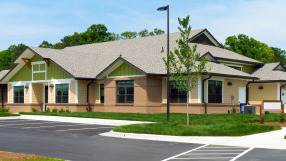
Private Rehab
Private drug rehab provides a comfortable, secure environment that allows you to focus on doing the work to ge...t your life back on track. Benefits include a higher staff-to-client ratio, increased one-on-one time with therapists and healthcare providers, private rooms for clients, and customized forms of therapy.
Residential Setting
Residential drug rehab provides the comforts of home with the therapeutic support needed to successfully recov...er. Benefits of an inpatient program include increased safety, a higher success rate, and the time and distance given to focus on recovery. Residential drug rehabs are often the preferred method of treatment, as they can be tailored to meet specific needs, offer focused therapeutic care, and provide the necessary tools to sustain recovery.Addiction Treatment Programs
Adult Program
The Keystone State offers many resources for those struggling with substance use disorders. Each adult program in Pennsylvania provides individualized care, to meet people where they are and help them take the next step on their recovery journey.Cognitive Behavioral Therapy (CBT)
Cognitive behavioral therapy in Pennsylvania helps participants identify inaccurate thinking and learned patterns of negative behavior and how to change them. It gives participants the skills to relieve their symptoms without turning to substances.Levels of Care
Inpatient Rehab
When first starting drug rehab in Pennsylvania, many individuals begin with inpatient rehab. This involves sta...ying at the facility 24/7 and receiving a variety of treatment methods that typically include group and individual counseling.Outpatient Rehab
While undergoing outpatient treatment in Pennsylvania, you’ll work through challenges such as cravings, soci...al skills, and relapse prevention as you meet with a recovery expert and attend 12-step meetings. This treatment may last a few weeks or several months, depending on your recovery needs.Dual Diagnosis & Mental Health
Mental illness and substance abuse are so integrated that they must be treated together. Ignoring one and trea...ting the other doesn’t work. Dual diagnosis treatment in Pennsylvania effectively addresses both mental health and substance abuse disorders, for the best outcomes.Partial Hospitalization Program (PHP)
Partial hospitalization programs (PHPs) in Pennsylvania typically provide addiction treatment five days a week... for several hours each day. During sessions, staff emphasize the importance of maintaining sobriety and complying with your individual recovery program.Aftercare & Alumni Program
Following rehab, you can receive much-needed ongoing support through aftercare rehab in Pennsylvania. Services... may include financial planning, career guidance, legal advice, and other practical supports, as well as counseling and 12-step groups. Taking advantage of these resources greatly reduces the chance of relapse.Drug & Alcohol Intervention
Intervention specialists are often a key part of the recovery process. These professionals provide pre-interve...ntion counseling to family members, assistance with intervention facilitation, and valuable resources and insight to develop an effective treatment plan for drug rehab in Pennsylvania.Insurance
 Financial Aid
Financial Aid: If you need help with paying for alcohol and drug rehab in Pennsylvania, financial aid may be a... good solution. Financial assistance options include grants, scholarships, non-profit programs, personal funding, and health insurance programs to help you manage the expense of substance abuse treatment.
 Medicaid Accepted
If need help paying for alcohol and drug rehab in Pennsylvania, you may be eligible for Medicaid. Coverage thr...ough Medicaid may vary, but it can assist with the cost of alcohol and drug rehab, including detox, inpatient rehab, and more.
 Medicare Accepted
if you're eligible for Medicare, you may be able to get help to pay for the cost of alcohol and drug rehab in ...Pennsylvania. The amount of coverage will depend on many things, including whether you are seeking inpatient or outpatient treatment for substance abuse.
 Private Insurance
Your private insurance may cover the cost of alcohol and drug rehab in Pennsylvania. The amount covered may de...pend on your policy and whether the treatment center is in-network or out-of-network. You may be left with some costs like a co-payment, or co-insurance. Check with your insurer for more information.
 Self-Pay Options
You have the choice to pay for your alcohol and drug rehab in Pennsylvania out-of-pocket, also called as self-...pay or private pay. This way, there are no restrictions placed on your access to treatment, courtesy of insurance companies. Payment methods include checks, personal loans, medical loans, credit cards, and many others.Staff
Contact Human Services Center


 Sponsored
Patti Croft is a full-time writer who writes about accessing effective addiction treatment during the day but is also pursuing her dream of penning a novel in her spare time. She enjoys copious amounts of coffee as creative fuel and sharing an office with her adorable cat, Beau. Her background is in healthcare management, and she is a passionate advocate for mental health and addiction care.
Rehabs.org regularly reviews this listing for accuracy but changes may occur between updates. For the most up-to-date information, please contact Human Services Center.