Roseland Community Triage Center
200 East 115th Street
Chicago, IL 60628
 Sponsored
About Roseland Community Triage Center
Human Resources Development Institute (HRDI) was founded in 1974 to provide low-cost and whole-person care for individuals and families facing substance use and mental health challenges across Chicago’s South Side. They support underserved communities and individuals from inner-city neighborhoods in Illinois who lack financial resources to access life-saving care. I like how they provide age-appropriate care for all by empowering each group toward self-sufficiency and a substance-free life.
Another thing I find impressive is their commitment to care, regardless of your ability to pay. This aligns with their efforts to support personal growth, foster resilience in families and build more connected neighborhoods.
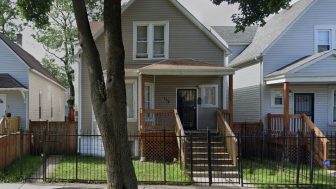
HRDI operates over a dozen distinct programs across eight locations, including this site on Southwest Central. Located in the Roseland/Pullman area, this outpatient clinic provides integrated opioid addiction recovery. Services include medication-assisted treatment (MAT), recovery-focused therapy and supportive care aimed at fostering lifelong stability. It’s north of the Pullman Historic District and southeast of the Indian Boundary Park.
Medication-Supported Recovery For Opioid Addiction
In MAT, individuals with opioid use challenges may receive methadone or buprenorphine-based medication. These FDA-approved medications help reduce cravings and withdrawal symptoms to make it easier to focus on therapy and maintain long-term recovery. Counseling helps you process emotions and develop healthier coping strategies to prevent relapse.
Integrated Care For Lasting Success
Mental health challenges like depression often co-occur with opioid dependence. Your care may include ongoing psychiatric evaluation and medication management. Those with co-occurring gambling addictions may also receive specialized counseling to address addiction and its underlying triggers.
The broader program integrates primary medical care such as health risk screening, physical exams and wellness checks to support whole-person healing. Case management offers help accessing community resources and addressing practical needs like housing, employment and transportation.
Amenities
Recreational therapy uniquely combines therapeutic interventions with an activity, like horse-riding, hiking, wilderness therapy, basketball, tennis, or a full workout. Benefits of recreational therapy include providing a healthy way to work through the emotions of recovery, learning to build and maintain relationships, improving communication skills, and building self-esteem.
Addiction Treatment Programs
Some of the most common services offered in a young adult program in Illinois include individual and group counseling, medication management, educational courses, and 12-step programs. These programs are tailored to address the challenges of this stage of life.
Individuals who are struggling with addiction to drugs or alcohol can get support at an adult program in Illinois. Designed for men and women over the age of 18, these programs offer rehabilitation treatment and recovery services.
Each alcohol rehab in Illinois is unique, but most include three basic aspects of treatment: medical detox, psychotherapy, and medication. Through these methods, participants receive treatment for the physical, mental, and emotional aspects of alcohol use disorder.
Men’s rehab in Illinois typically includes individual, group, and family therapies. Group sessions are conducted with men only, which encourages greater vulnerability and sharing opportunities among participants.
Women who have substance use disorders are more likely than men to have co-occurring mental health disorders. Women’s rehab in Illinois often provides treatment for dual diagnosis, so women can get help for their addiction and disorders such as anxiety or depression.
Learn the skills you need to break free from opioid dependence at opioid rehab in Illinois. Program options include detox, inpatient rehab, outpatient rehab, counseling, and medication assisted treatment programs, which are tailored to meet the needs of the individual.
Drug rehab in Illinois is designed to help men and women recover from drug addiction. The length of the program and its intensity vary, based on the individual’s needs. It’s important to find the right program to suit your unique situation and challenges.
Administrative Services are ancillary services provided by multidisciplinary teams of professionals, including clinicians, social workers, therapists, and case managers. These services ensure clients receive seamless, comprehensive care across all stages of recovery. Programs may include transportation assistance, intervention planning, insurance verification, supportive housing and employment, and discharge planning and support.
Levels of Care
Outpatient rehab in Illinois may be brief or long-term, depending on the individual. During this time, you will maintain membership in a support group as well as attend one-on-one counseling sessions. The focus is ongoing development of life skills that will prevent relapse.
An Illinois dual diagnosis program treats both your mental health and recovery needs. Psychiatrists and addiction specialists work together to address co-occurring disorders, such as depression, anxiety, or ADHD.
The first step toward a drug-free future is typically detox. This initial phase of drug rehab in Illinois can last up to a week. During this time, addictive substances are slowly and safely cleansed from your body.
In many cases, drug rehab in Illinois begins with intervention. Professional intervention services are available to help you facilitate an intervention, develop a treatment plan, and choose the program that best suits your loved one’s needs.
Contact Information


 Sponsored