
Hopewell Clinical
1258 Broadway
Quincy, IL 62301
 Sponsored
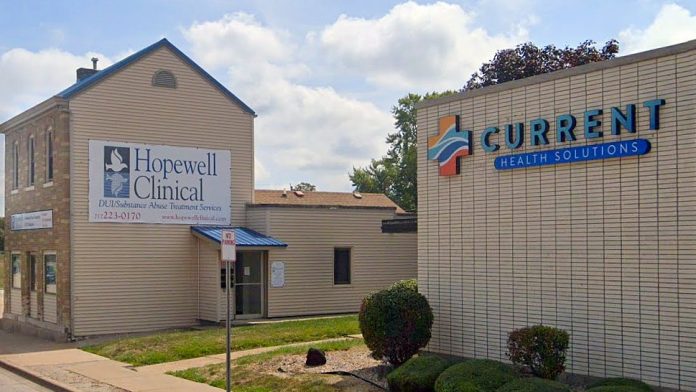
About Hopewell Clinical
Quincy, Illinois, has a rich history. It was a key part of the Underground Railroad and the city hosted the sixth debate between Abraham Lincoln and Stephen Douglas during the famed “Lincoln Douglas debates.” Today, Quincy is where you’ll find Hopewell Clinical, which provides outpatient substance use treatment for adults. They also deliver court ordered classes and treatment.
I like how you may be able to use health insurance coverage to pay for outpatient addiction treatment, although it won’t cover court ordered assessments and classes. You can contact Hopewell to find out what insurance plans they accept.
Outpatient Treatment In Person and Virtually
Hopewell provides intensive outpatient programs (IOPs) and general outpatient care for addiction treatment. One thing that stood out to me is that you can do some or all of your treatment through telehealth, which is much more convenient for those who might face transportation issues until they get their licenses back.
They also have substance use treatment for adolescents in Quincy. They have a three hour course for early intervention, general outpatient care and an IOP, depending on the teens’ needs.
All treatment programs include individual and group therapy. IOP sessions are available in the mornings or evenings to help treatment fit around your work or school schedule.
Court Ordered Education Programs
Along with treatment, the court requires many offenders to attend specific education classes. Hopewell delivers a Drivers Risk Education course that runs for 10 hours as well as an Anger Management class.
The Anger Management class is offered online and includes cognitive behavioral therapy (CBT) and psychoeducation to help participants understand anger, triggers and the thought processes that result in an emotional response.
Amenities
Private drug rehab provides a comfortable, secure environment that allows you to focus on doing the work to get your life back on track. Benefits include a higher staff-to-client ratio, increased one-on-one time with therapists and healthcare providers, private rooms for clients, and customized forms of therapy.
Addiction Treatment Programs
Some of the most common services offered in a young adult program in Illinois include individual and group counseling, medication management, educational courses, and 12-step programs. These programs are tailored to address the challenges of this stage of life.
Individuals who are struggling with addiction to drugs or alcohol can get support at an adult program in Illinois. Designed for men and women over the age of 18, these programs offer rehabilitation treatment and recovery services.
Each alcohol rehab in Illinois is unique, but most include three basic aspects of treatment: medical detox, psychotherapy, and medication. Through these methods, participants receive treatment for the physical, mental, and emotional aspects of alcohol use disorder.
Men’s rehab in Illinois typically includes individual, group, and family therapies. Group sessions are conducted with men only, which encourages greater vulnerability and sharing opportunities among participants.
Women who have substance use disorders are more likely than men to have co-occurring mental health disorders. Women’s rehab in Illinois often provides treatment for dual diagnosis, so women can get help for their addiction and disorders such as anxiety or depression.
Learn the skills you need to break free from opioid dependence at opioid rehab in Illinois. Program options include detox, inpatient rehab, outpatient rehab, counseling, and medication assisted treatment programs, which are tailored to meet the needs of the individual.
In Illinois, cognitive behavioral therapy is an effective method for addiction treatment. It teaches effective communication skills, provides tools to help people improve mood, and empowers participants to dismiss insecurities that can lead to substance abuse.
Drug rehab in Illinois is designed to help men and women recover from drug addiction. The length of the program and its intensity vary, based on the individual’s needs. It’s important to find the right program to suit your unique situation and challenges.
Many substance abuse treatment plans include rational emotive behavioral therapy in Illinois. This treatment replaces negative decisions with healthy ones, helps prevent relapse, provides conflict-resolution skills, and improves interpersonal relationships.
Levels of Care
Outpatient rehab in Illinois may be brief or long-term, depending on the individual. During this time, you will maintain membership in a support group as well as attend one-on-one counseling sessions. The focus is ongoing development of life skills that will prevent relapse.
An Illinois dual diagnosis program treats both your mental health and recovery needs. Psychiatrists and addiction specialists work together to address co-occurring disorders, such as depression, anxiety, or ADHD.
Aftercare rehab in Illinois lowers the chance of relapse. This program offers support to help you face challenges after you successfully complete rehab. By providing guidance, accountability, and assistance with basic life skills, aftercare gives you confidence to navigate temptations and maintain sobriety.
Accreditations
Contact Information


 Sponsored
Nearby Treatment Centers

607 Buchanan St
Carthage, IL 62321
1260 W Washington St
Pittsfield, IL 62363

700 Southeast Cross Street
Mount Sterling, IL 62353
428 South 36th Street
Quincy, IL 62301
