Hope Valley Mens Division
105 County Home Road
Dobson, NC 27017
 Sponsored
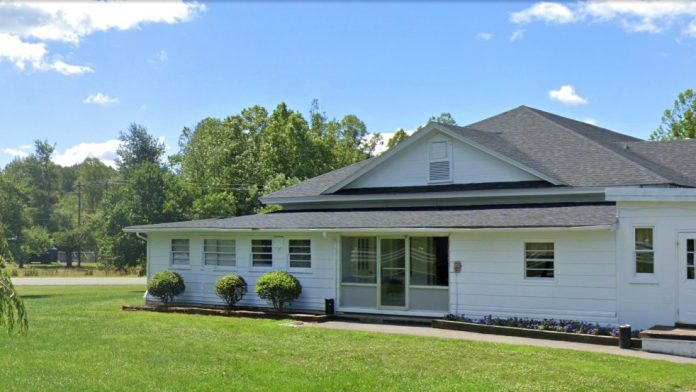
About Hope Valley Mens Division
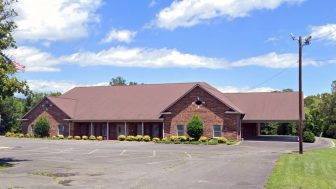
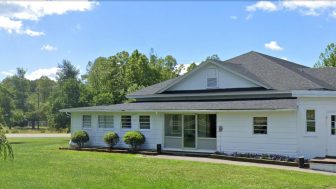
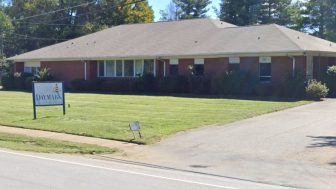
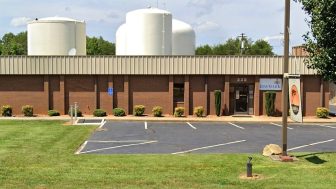
Established in 1968, Hope Valley Men’s Division in Dobson, North Carolina, is a 22-bed residential facility for those struggling with alcohol and substance use. Located in a serene rural setting, this CARF accredited organization believes that recovery is a learning process. Hoping to destigmatize addiction, they feel that attending self help groups is crucial to both recovery and avoiding relapse. They are in network with most major insurance providers.
Person Centered Treatment and Family Care
Using such modalities as the Matrix Model, the 12 Step model, cognitive behavioral therapy (CBT), motivational interviewing and relapse prevention, they provide person centered treatments based on mutually agreed upon goals. They are a certified DWI facility, offering assessments, DWI track education, treatments and 508 completion. Every Saturday they hold their Family Program, providing education about addiction using the Al-Anon and Nar-Anon structure. I appreciate that family members are given time to ask questions about potential post treatment issues.
Client Feedback
I found that feedback from clients is largely positive. Previous clients say they’ve been given hope and the tools to stay sober. They say the staff is full of love and compassion, and that the classes offered are highly informative. Their general consensus is that if you’re serious about recovery, this is the place for you.
Amenities
Recreational therapy uniquely combines therapeutic interventions with an activity, like horse-riding, hiking, wilderness therapy, basketball, tennis, or a full workout. Benefits of recreational therapy include providing a healthy way to work through the emotions of recovery, learning to build and maintain relationships, improving communication skills, and building self-esteem.
Addiction Treatment Programs
When individuals participate in a young adult program in North Carolina, they feel more at ease in a setting that is age-appropriate. Activities, therapies, and aesthetics are all tailored for this age group, so participants can feel comfortable and are more likely to complete the program.
An adult program in North Carolina typically combines individual and group counseling, medical treatment, and various other therapies to treat substance use disorders. Treatment can take place in an inpatient or outpatient setting.
Alcohol rehab in North Carolina is a course of treatments that helps participants overcome alcohol dependency. Treatments address physical, mental, and emotional aspects of substance use disorder and help the individual develop healthy habits for long-term recovery.
Men’s rehab in North Carolina offers customized treatment for men. These programs provide personalized treatment that is designed with the unique needs of men in mind.
To overcome opioid addiction, attend opioid rehab in North Carolina. Treatment takes place in inpatient or outpatient care, using a variety of therapies, medications, and other helpful interventions. Length of treatment caries, typically lasting 30, 60, or 90 days.
Many therapists use cognitive behavioral therapy in North Carolina to treat substance use disorders. This goal-oriented method addresses maladaptive thinking and related beliefs that affect behaviors and can lead to addiction.
There are many types of drug rehab in North Carolina. To receive treatment for addiction, you can choose from many inpatient and outpatient programs. Often, participants start with detox and work through a full continuum of care that continues with ongoing support for long-term recovery.
Levels of Care
Outpatient rehab in North Carolina is often the next step for those who complete an inpatient program. This less restrictive treatment involves several hours of therapy per week, and accountability through 12-step meetings such as AA. You’ll continue this treatment as long as needed, which could be weeks, months, or years.
When you choose inpatient drug rehab in North Carolina, you’ll live at a rehab facility for 28 to 90 days, depending on the program. Typical methods of treatment include group and individual therapy and family counseling.
Many people find that a few months in North Carolina sober living after rehab treatment gives them a good foundation for long-term recovery. The average stay at a sober living home is five to eight months, but you get to decide when you are ready to live on your own.
Contact Information


 Sponsored