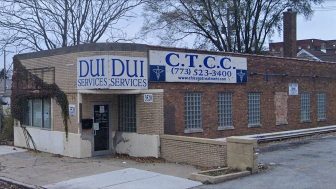
Henry Booth House
2907 South Wabash Avenue
Chicago, IL 60616
 Sponsored

About Henry Booth House
Located on South Wabash Avenue in Chicago, Illinois, Henry Booth House provides outpatient substance use treatment within one of the city's oldest community social services agencies, founded in 1914. The organization offers regular outpatient counseling for drug and alcohol addiction alongside integrated supports including case management, employment assistance, and housing referrals.
Their whole person approach emphasizes family health and community development while serving Chicago's culturally diverse, economically disadvantaged families.
An Inclusive Treatment Center in Chicago
I appreciate that this organization is set up to serve the full breadth of their diverse community, with all of their varying needs and circumstances. They treat young adults and adults of all genders, including clients with DUI charges and individuals requiring multilingual services in languages beyond English and Spanish.
The center accepts self payment as well as government and state funded programs, with potential payment assistance for qualifying individuals.
Wraparound Help for a Better Life
I noticed that Henry Booth House doesn't limit their help to addiction treatment. They offer a wide range of services to help you build a better life for yourself and your family. This includes case management, discharge planning, aftercare coordination, plus referrals for employment, education, and housing assistance. They also serve as a unique bridge between addiction recovery and early childhood development, being one of Chicago's largest Head Start providers.
Easy Entry to Get Started
Getting started typically begins with contacting Henry Booth House during standard business hours to schedule an initial assessment. The staff can help determine if outpatient substance use treatment is appropriate, explain available payment options including state funded programs, and coordinate connections to broader social services like housing and employment support. Since the organization operates Monday through Friday from 8:30 AM to 5:00 PM, prospective clients should plan accordingly for appointments.
Amenities
Private drug rehab provides a comfortable, secure environment that allows you to focus on doing the work to get your life back on track. Benefits include a higher staff-to-client ratio, increased one-on-one time with therapists and healthcare providers, private rooms for clients, and customized forms of therapy.
Residential drug rehab provides the comforts of home with the therapeutic support needed to successfully recover. Benefits of an inpatient program include increased safety, a higher success rate, and the time and distance given to focus on recovery. Residential drug rehabs are often the preferred method of treatment, as they can be tailored to meet specific needs, offer focused therapeutic care, and provide the necessary tools to sustain recovery.
Art and music are mediums that connect with our feelings, making them a great recovery tool during addiction treatment. Studies show that combining art/music and drug rehab can have a greater therapeutic impact than drug rehab alone, as you’re able to access parts of your brain and body that you may not have access to during traditional talk therapy. Benefits of art/music therapy include lowering stress and anxiety, promoting healthy neurochemicals, and providing stress relief.
Addiction treatment programs provide an opportunity to get your life back on track with access to school classes or college courses. Whether you want to finish your GED or go back to school to learn a new trade, facilities often enlist tutors and teachers who are certified or licensed by the state to oversee self-study or distance-learning education.
Addiction Treatment Programs
Some of the most common services offered in a young adult program in Illinois include individual and group counseling, medication management, educational courses, and 12-step programs. These programs are tailored to address the challenges of this stage of life.
Individuals who are struggling with addiction to drugs or alcohol can get support at an adult program in Illinois. Designed for men and women over the age of 18, these programs offer rehabilitation treatment and recovery services.
Men’s rehab in Illinois typically includes individual, group, and family therapies. Group sessions are conducted with men only, which encourages greater vulnerability and sharing opportunities among participants.
Women who have substance use disorders are more likely than men to have co-occurring mental health disorders. Women’s rehab in Illinois often provides treatment for dual diagnosis, so women can get help for their addiction and disorders such as anxiety or depression.
In Illinois, cognitive behavioral therapy is an effective method for addiction treatment. It teaches effective communication skills, provides tools to help people improve mood, and empowers participants to dismiss insecurities that can lead to substance abuse.
Levels of Care
Outpatient rehab in Illinois may be brief or long-term, depending on the individual. During this time, you will maintain membership in a support group as well as attend one-on-one counseling sessions. The focus is ongoing development of life skills that will prevent relapse.
An Illinois dual diagnosis program treats both your mental health and recovery needs. Psychiatrists and addiction specialists work together to address co-occurring disorders, such as depression, anxiety, or ADHD.
Aftercare rehab in Illinois lowers the chance of relapse. This program offers support to help you face challenges after you successfully complete rehab. By providing guidance, accountability, and assistance with basic life skills, aftercare gives you confidence to navigate temptations and maintain sobriety.
Inpatient rehab in Illinois features intensive clinical supervision and a highly structured and supportive environment, meaning this level of care is especially well suited for clients just beginning their recovery journey and those at risk of relapse.
Accreditations
Contact Information


 Sponsored