
Hazelden Betty Ford Foundation
15251 Pleasant Valley Road
Center City, MN 55012
 Sponsored
About Hazelden Betty Ford Foundation
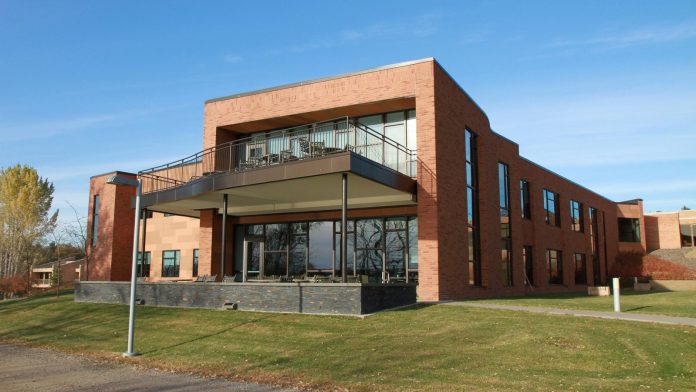
The Center City center of the Hazelden Betty Ford Foundation is located in Center City, Minnesota. The organization is accredited by The Joint Commission and LegitScript certified.
They provide alcohol and drug addiction treatment in a residential (IP) and outpatient (OP) setting. Insurance is accepted including TriWest. If you are uninsured and finances are of concern, the staff will assist in determining if you are eligible for financial aid.
I like that they have a multidisciplinary treatment team. The team includes psychiatrists, addiction counselors, nurses, family therapists and wellness professionals. The team will synchronize their support and therapies based around your specific needs.
You will undergo medical and mental health screenings and assessments. This will help the staff determine the best level of care for you and develop your custom treatment plan. Integrated mental health care is available if you have a co-occurring disorder. Recovery coaching and sober living resources are available.
When you enter detox, you will be medically monitored round the clock. They will be evaluating your level of discomfort. If needed, they will be able to provide you with medication assisted treatment. The medications will help ease your withdrawal symptoms and cravings.
With residential treatment you’ll participate in the rehab services and meet your peers. In group therapy, everyone is able to address their experiences with substance use and learn from one another. If you’re interested, you will have the option to add spiritual care into your treatment plan.
Outpatient treatment is also available. With the partial hospitalization (PHP) day treatment program, you attend your sessions four to five days per week for five to six hours per day. In the intensive outpatient program (IOP), you attend sessions for a few hours three to four days per week. Once you graduate to the low intensity level of treatment, then you attend group sessions weekly and monthly individual therapy.
Amenities
Private drug rehab provides a comfortable, secure environment that allows you to focus on doing the work to get your life back on track. Benefits include a higher staff-to-client ratio, increased one-on-one time with therapists and healthcare providers, private rooms for clients, and customized forms of therapy.
Residential drug rehab provides the comforts of home with the therapeutic support needed to successfully recover. Benefits of an inpatient program include increased safety, a higher success rate, and the time and distance given to focus on recovery. Residential drug rehabs are often the preferred method of treatment, as they can be tailored to meet specific needs, offer focused therapeutic care, and provide the necessary tools to sustain recovery.
Art and music are mediums that connect with our feelings, making them a great recovery tool during addiction treatment. Studies show that combining art/music and drug rehab can have a greater therapeutic impact than drug rehab alone, as you’re able to access parts of your brain and body that you may not have access to during traditional talk therapy. Benefits of art/music therapy include lowering stress and anxiety, promoting healthy neurochemicals, and providing stress relief.
Transportation services are designed to ensure your addiction treatment begins and ends successfully by offering free transportation to the rehab facility, to and from your appointments during rehab, and back home upon program completion.
Hiking is a great way to relieve stress, get perspective, navigate challenges, connect with nature, and improve your health - all essential components of sustaining long-term recovery. Studies also show that the body releases endorphins during physical activities like hiking. These endorphins improve mood and act as a natural pain reliever.
In order to maintain a sense of autonomy, many private rehab facilities offer clients the ability to choose their own private rooms. The privacy and personal space ensure that the recovery process is as comfortable as possible.
Addiction treatment programs provide an opportunity to get your life back on track with access to school classes or college courses. Whether you want to finish your GED or go back to school to learn a new trade, facilities often enlist tutors and teachers who are certified or licensed by the state to oversee self-study or distance-learning education.
Swimming increases blood flow to the body and brain, boosts white blood cells, and improves muscle strength, lung capacity, and overall stamina. Drug rehabs with a swimming pool offer physical and mental benefits to complement the recovery process.
When paired with cognitive-behavioral therapy, exercise can be an effective tool for overcoming addiction. Drug rehabs with a gym offer clients healthy ways to increase energy levels, balance the body’s stress hormone levels, and aid in the brain’s healing process.
Luxury rehab is a form of treatment offered in a residential, resort-style setting. You’ll receive personalized treatment from staff and clinicians, have access to forms of treatment that go beyond what a typical inpatient rehab offers, and offer specific amenities like ocean views, large single occupancy bedrooms with private baths, and complementary spa treatments like massage, acupuncture, or reiki. Most luxury rehab centers have a limited number of beds.
Some rehab programs offer free Wi-Fi to guests who have full access to their smartphone devices or laptop computers during treatment. While access to these devices may be allowed, the time spent using them is often regulated or restricted so clients can focus on treatment.
Rehabs that offer mountain views provide beautiful spaces for clients to explore, de-stress, and take part in outdoor or wilderness therapy programs. The mountain surroundings can be a great help to the recovery process, as sobriety may be better achieved while surrounded by a serene setting in nature.
Addiction Treatment Programs
Recovery is not the same for young adults as it is for older individuals. A young adult program in Minnesota treats the patient as a whole, addressing unique life-stage challenges, dual diagnosis issues, and substance abuse.
When an individual struggles with drug and alcohol use, an adult program in Minnesota can provide treatment and mental health support. Designed for men and women over the age of 18, these programs help individuals obtain and maintain sobriety.
The goal of alcohol rehab in Minnesota is to help you make mental and behavioral changes that lead to recovery and long-term sobriety. Most methods rely on a combination of group and individual counseling to accomplish these goals.
During women’s rehab in Minnesota, women participate in evidence-based therapies to treat their substance use disorders. Therapy methods include individual, group, family, cognitive-behavioral, and dialectical behavior therapy.
Individuals who attend men’s rehab in Minnesota can expect to spend much of their days in therapy sessions. Therapy is focused on men only, and teaches men how to control urges and cravings and live a healthy, sober lifestyle.
Cognitive behavioral therapy in Minnesota is based on rapid, action-focused treatment. This works well for 60 to 90-day rehab programs by providing participants with immediate and effective coping techniques.
Drug rehab in Minnesota often starts with assessment. Once needs are determined, the individual typically begins treatment with detox, then enters rehab, and finally receives aftercare once the program is complete. This continuum of care offers appropriate levels of support at each stage to help the individual achieve long-term recovery.
Designed to cater to the older adult's individual needs, elderly rehab in Minnesota increases recovery success. Seniors may participate in individual therapy, group therapy, or holistic therapies, focusing on the specific challenges they are facing related to their stage of life and type of addiction.
During women’s rehab in Minnesota, women participate in evidence-based therapies to treat their substance use disorders. Therapy methods include individual, group, family, cognitive-behavioral, and dialectical behavior therapy.
During Veteran’s rehab in Minnesota, you’ll receive specialized therapies designed to support Veterans. Therapies may include daily group and individual counseling, 12-step programs, family counseling, and therapy to address PTDS and military sexual trauma.
Rational emotive behavioral therapy in Minnesota assumes that negative experiences tend to lead to irrational thoughts. These thoughts then lead to dysfunction that contributes to substance abuse. This treatment method attempts to correct irrational thoughts to encourage recovery from addiction.
Assertive Community Treatment (ACT) is an integrative, community-based care strategy designed to address the needs of persons with severe and/or complex mental illness or behavioral disorders. ACT is typically provided by a multidisciplinary team of medical and mental health care providers, social workers, therapists, and other specialists, including addiction recovery professionals. These services are frequently provided in the home and community to clients in crisis, those who are clinically unstable, and those who are unable or unwilling to travel to a hospital or clinic for in-person treatment.
Levels of Care
Outpatient rehab in Minnesota provides a less restrictive environment than inpatient. You’ll live at home while attending just a few hours of counseling sessions per week and receive ongoing support through a program such as AA or NA. This will continue for as long as you need this level of accountability.
If you choose inpatient drug rehab in Minnesota, often referred to as residential rehab, you’ll receive 24/7 care while living at the rehab facility. Typical treatment services include individual and group therapy, medication management, and relapse prevention education.
Left untreated, mental disorders complicate substance abuse disorders and make addiction treatment ineffective. Dual diagnosis treatment in Minnesota addresses both, making it ideal for those who have co-occurring disorders.
For months or years after achieving initial sobriety, aftercare rehab in Minnesota gives you access to resources that help you maintain sobriety after treatment. You can receive support through 12-step groups, ongoing counseling, and financial coaching.
If you choose inpatient drug rehab in Minnesota, often referred to as residential rehab, you’ll receive 24/7 care while living at the rehab facility. Typical treatment services include individual and group therapy, medication management, and relapse prevention education.
Detox in Minnesota involves 24/7 supervision by professionals who help you cleanse your body of all addictive substances. This process can take up to a week and may involve medication to ease withdrawal symptoms.
Sober living in Minnesota gives you the opportunity to apply the tools you acquired in rehab, in an independent but structured environment. You’ll reside with others in recovery, adhering to house rules such as curfew and a no-drug policy. As you work or go to school and contribute to household responsibilities, you’ll learn to live a drug-free life.
Intervention services can be a valuable tool for getting your loved one on the path to recovery. An intervention program can help you stage an intervention, develop a treatment plan, and navigate the admission process to drug rehab in Minnesota.
With a partial hospitalization program (PHP), you receive structured care from a drug rehab in Minnesota, but you don’t have to stay overnight. You’ll receive various treatment methods based on your recovery needs.
Accreditations
Contact Information


 Sponsored
Nearby Treatment Centers
21471 Ulysses Street Northeast
East Bethel, MN 55011

11400 Julianne Ave N
Stillwater, MN 55082
5200 Fairview Boulevard
Wyoming, MN 55092
555 West Broadway Avenue
Suites 2 and 3
Forest Lake, MN 55025
