Harmony Ridge Recovery Center
47 Chambers Cir Rd
Walker, WV 26180
 Sponsored
About Harmony Ridge Recovery Center
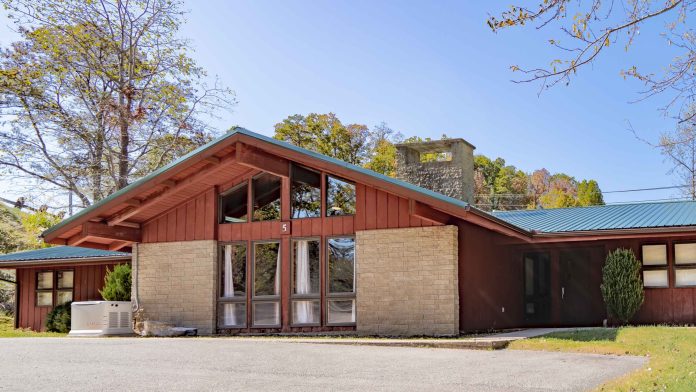
Harmony Ridge Recovery Center provides substance abuse treatment in Walker, West Virginia. They offer a comprehensive suite of services, including detox, residential, intensive outpatient and partial hospitalization.
Medication assisted treatment is available to help alleviate uncomfortable withdrawal symptoms and reduce drug cravings. They use FDA approved medicines like naltrexone and Suboxone to help provide more comfort. An initial evaluation will help the team determine the appropriate medication for your needs. You’ll have a team of medical professionals overseeing your detox for safety.
Individual therapy sessions will provide an intimate setting with a professional who is experienced in addiction care. You may find it easy to open up when speaking one on one and it can often help uncover the root causes of your addiction challenges.
Group sessions offer socialization and a supportive environment where others can relate to your struggles and provide feedback about substance use. Group therapy follows the 12-step principles and can create a network of others in recovery with the goal of lifelong sobriety.
Customized relapse prevention plans will help you manage triggers and develop healthy coping skills to deal with life’s stressors and challenges. Your counselor can help you identify and avoid triggers for successful sobriety.
They include nutritional education to help offset the malnutrition issues that frequently accompany addiction. This service helps you remain self sufficient after treatment and is a fundamental part of remaining sober.
Holistic therapies are included in the program to address the physical, emotional and spiritual aspects of addiction. You may participate in art therapy, biofeedback, spiritual therapy, Tai Chi and guided meditation, which can reduce stress and promote inner peace.
Their aftercare program assists with ongoing recovery by continuing with therapy if needed and maintaining socialization with peers.
Amenities
Residential drug rehab provides the comforts of home with the therapeutic support needed to successfully recover. Benefits of an inpatient program include increased safety, a higher success rate, and the time and distance given to focus on recovery. Residential drug rehabs are often the preferred method of treatment, as they can be tailored to meet specific needs, offer focused therapeutic care, and provide the necessary tools to sustain recovery.
Art and music are mediums that connect with our feelings, making them a great recovery tool during addiction treatment. Studies show that combining art/music and drug rehab can have a greater therapeutic impact than drug rehab alone, as you’re able to access parts of your brain and body that you may not have access to during traditional talk therapy. Benefits of art/music therapy include lowering stress and anxiety, promoting healthy neurochemicals, and providing stress relief.
Hiking is a great way to relieve stress, get perspective, navigate challenges, connect with nature, and improve your health - all essential components of sustaining long-term recovery. Studies also show that the body releases endorphins during physical activities like hiking. These endorphins improve mood and act as a natural pain reliever.
Recreational therapy uniquely combines therapeutic interventions with an activity, like horse-riding, hiking, wilderness therapy, basketball, tennis, or a full workout. Benefits of recreational therapy include providing a healthy way to work through the emotions of recovery, learning to build and maintain relationships, improving communication skills, and building self-esteem.
When paired with cognitive-behavioral therapy, exercise can be an effective tool for overcoming addiction. Drug rehabs with a gym offer clients healthy ways to increase energy levels, balance the body’s stress hormone levels, and aid in the brain’s healing process.
When used as part of an evidence-based treatment plan, basketball can boost physical and mental health, lead to sharper thinking, and facilitate improved self-esteem. Drug rehabs with a basketball court also place a focus on teamwork and cooperation.
Yoga and meditation are great activities to support your recovery process during alcohol or drug rehab. These therapies have been around for centuries, and they are an effective way to improve well-being. Combining addiction treatment, yoga, and meditation can reduce cravings, improve sleep, relieve anxiety and depression, provide stress relief, promote relaxation, support emotional healing, and improve energy levels.
Treatment centers with a yoga studio offer a special form of holistic therapy during the recovery process. Yoga boosts mindfulness, a sense of calm, and healthy reflection during drug rehab via breathing exercises, stretching, and a progression of specific postures.
Swimming increases blood flow to the body and brain, boosts white blood cells, and improves muscle strength, lung capacity, and overall stamina. Drug rehabs with a swimming pool offer physical and mental benefits to complement the recovery process.
Addiction Treatment Programs
Alcohol rehab in West Virginia varies by program, but most involve common elements. Individual and group counseling, 12-step support, and medical assistance provide treatment that addresses physical, mental, and emotional needs, with the goal of achieving long-term sobriety.
Rehab in West Virginia focuses on addressing all your needs. A full continuum of care is provided, from detox to aftercare. You can choose a program that best suits your situation and unique challenges.
In West Virginia, cognitive behavioral therapy includes skills training, behavioral strategies, and psychoeducation. Treatment strategies include social supports, learning effective communication skills, setting goals, and altering thought patterns to avoid triggers.
Sound & Music Therapy are complementary treatment modalities frequently used in addiction recovery to support clients’ physical, mental, and emotional wellbeing through the use of auditory stimuli, from nature sounds and Tibetan singing bowls to drum circles and rhythmic melodies. The treatment is believed to reduce symptoms of anxiety and depression and may offer relief for those experiencing chronic pain, which can decrease clients’ risk of addiction relapse.
Common goals of opioid rehab in West Virginia include breaking physical dependence on opioids, learning to manage cravings, building self-confidence, and developing stress-coping mechanisms. These tools help you overcome the damage caused by addiction and prevent future relapse.
Levels of Care
If you struggle with a condition such as anxiety or depression along with addiction, it’s important to treat both disorders. Dual diagnosis treatment in West Virginia is designed to provide this co-occurring treatment, for the best recovery outcomes.
As the first step of drug rehab in West Virginia, medical professionals will set up a detox program for you. This is the process of slowly and safely ridding your body of addictive substances. It may include medication to alleviate withdrawal.
For those who need intensive drug rehab in West Virginia but don’t require 24/7 inpatient care, partial hospitalization programs (PHPs) are often a good middle ground. You participate in group and individual therapy sessions, structured activities, and aftercare planning while in a PHP, but return home during non-treatment hours.
Inpatient rehab in West Virginia is often a good fit for people exiting detox, in early recovery, or those in crisis situations that may increase the risk of relapse.. You will live at the rehab facility while you receive treatment, extensive addiction counseling, and recovery education.
Accreditations
Accepted Insurance







Contact Information


 Sponsored