BrightQuest Treatment Centers – San Diego
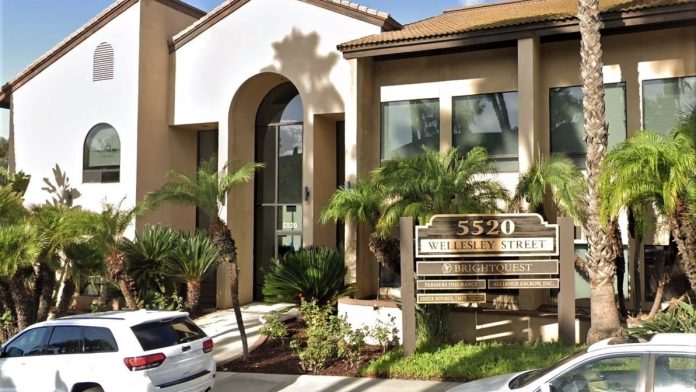
5520 Wellesley Street
Suite 100
La Mesa, CA 91942
 Sponsored
About BrightQuest Treatment Centers – San Diego
In northern La Mesa, California, you’ll find Brightside Quest Treatment Centers’ San Diego location. They offer a specialized long term residential program that caters particularly to the needs of individuals with complex mental illnesses. They also offer several outpatient programs that can help you progress through programs of decreasing intensity as you grow more independent.
Their services are particularly well suited to individuals diagnosed with both an addiction disorder and a complex mental illness. They possess a wealth of expertise in treating conditions such as schizophrenia, bipolar disorder, PTSD, as well as drug induced psychosis. They also offer addiction recovery support, counseling and case management to help patients with dual diagnoses.
Healing in a Supportive Environment
Brightside Quest has five levels of care, and the first two are offered in a supportive residential environment. They offer private or shared rooms (depending on your specific need for privacy), staff that’s available 24/7, access to on site nursing staff, help with medication and transport services. What I really admire about their program’s design is that they also have a part of the residence designated for family visits and therapy sessions.
They also provide individual and group counseling to help residents formulate healthy mechanisms to manage and overcome whichever disorders they’re dealing with. This includes psychiatric help, therapy, and help with socialization and skill building.
A Continuum of Care that Fosters Independence
Their other three levels of care are the partial hospitalization program, the intensive outpatient program, and standard outpatient care. I like that graduating from one program to the next gives you a slow progression towards an increasing level of independent living without leaving you unsupported. They also go above and beyond in helping you see the breadth of the treatment program, with one recent reviewer praising the way that the staff took the time to understand their loved one’s needs and explaining the process.
Amenities
Private drug rehab provides a comfortable, secure environment that allows you to focus on doing the work to get your life back on track. Benefits include a higher staff-to-client ratio, increased one-on-one time with therapists and healthcare providers, private rooms for clients, and customized forms of therapy.
Residential drug rehab provides the comforts of home with the therapeutic support needed to successfully recover. Benefits of an inpatient program include increased safety, a higher success rate, and the time and distance given to focus on recovery. Residential drug rehabs are often the preferred method of treatment, as they can be tailored to meet specific needs, offer focused therapeutic care, and provide the necessary tools to sustain recovery.
Yoga and meditation are great activities to support your recovery process during alcohol or drug rehab. These therapies have been around for centuries, and they are an effective way to improve well-being. Combining addiction treatment, yoga, and meditation can reduce cravings, improve sleep, relieve anxiety and depression, provide stress relief, promote relaxation, support emotional healing, and improve energy levels.
Art and music are mediums that connect with our feelings, making them a great recovery tool during addiction treatment. Studies show that combining art/music and drug rehab can have a greater therapeutic impact than drug rehab alone, as you’re able to access parts of your brain and body that you may not have access to during traditional talk therapy. Benefits of art/music therapy include lowering stress and anxiety, promoting healthy neurochemicals, and providing stress relief.
In order to maintain a sense of autonomy, many private rehab facilities offer clients the ability to choose their own private rooms. The privacy and personal space ensure that the recovery process is as comfortable as possible.
Luxury rehab is a form of treatment offered in a residential, resort-style setting. You’ll receive personalized treatment from staff and clinicians, have access to forms of treatment that go beyond what a typical inpatient rehab offers, and offer specific amenities like ocean views, large single occupancy bedrooms with private baths, and complementary spa treatments like massage, acupuncture, or reiki. Most luxury rehab centers have a limited number of beds.
Addiction Treatment Programs
An adult program in California uses various therapeutic methods to treat a person who is dependent on an addictive substance. Individuals aged 18 and older are eligible for treatment, which focuses on breaking the cycle of addiction and learning how to maintain sober living.
Gender-specific addiction treatment programs may be more effective in treating men because they focus on unique needs of males. Men’s rehab in California is designed to help men process emotions and cope with stress in a judgment-free environment.
Women’s rehab in California provides a safe environment where women can work through addiction challenges surrounded by their gender peers. This often creates an environment that is more conducive to recovery.
When a person is struggling with addiction, their actions and emotions may not be rational. Cognitive behavioral therapy in California helps individuals understand better why they feel and act certain ways and how those emotions and actions can lead to substance abuse.
Fitness therapy is an evidence-based complementary approach to addiction recovery and mental health care. Based on mounting scientific evidence of the benefits of physical activity in improving mood, enhancing clients’ sense of wellbeing, and decreasing depression and anxiety, fitness therapy encompasses a wide spectrum of intensities, from gentle yoga, qigong, and tai chi to weight training, kickboxing, and other highly physical activities.
Levels of Care
When you choose outpatient rehab in California, you will meet with a counselor and attend support group meetings. The focus will be on restructuring attitudes and thoughts to reduce cravings and develop skills to prevent relapse. The length of time in outpatient rehab varies by individual, based on their recovery needs.
Unlike outpatient drug rehab, clients receiving inpatient rehab in California reside at the facility for the duration of the program. The length of stay may range from two weeks to 18 months or more, depending on the client's needs and the program’s design.
California sober living has been shown to reduce relapse and improve recovery. These programs offer highly-structured living environments for those who desire to remain sober. House rules usually include abstinence from substances, participation in 12-step meetings, and contribution to household responsibilities.
Accreditations
Accepted Insurance
Contact Information


 Sponsored