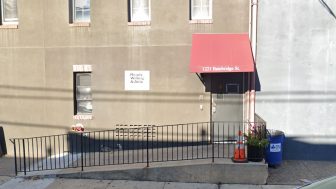
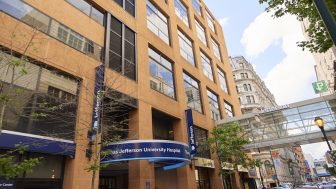
Hall-Mercer Community Mental
245 South 8th Street
Philadelphia, PA 19106
 Sponsored
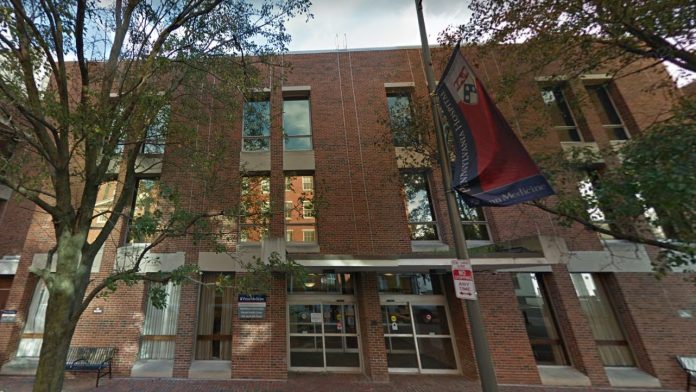
About Hall-Mercer Community Mental
Associated with Penn Medicine in Philadelphia, Pennsylvania, Hall Mercer Community Behavioral Health Center is an outpatient community health center. They help the residents of Philadelphia manage and recover from mental illness, addiction and developmental disabilities. It’s one of the city’s five crisis response centers, offering intensive case management, prevention and recovery services and homeless outreach services.
Prevention and Recovery Services include supportive services to severe and persistently mentally ill adults and their families. The goal of this program is to help individuals achieve the highest level of independent functioning they can attain. ACCESS Intensive case management services are targeted case management and community outreach services for individuals who are experiencing psychiatric illness and are homeless. Blended case management including psychiatric services and intensive case management is available to mentally ill adults and their families. Case management is available in Thai, Cambodian, Vietnamese and Laotian to make this program culturally inclusive. Their dual diagnosis outpatient counseling treats people with co-occurring mental health and substance abuse issues.
Hall Mercer offers specialized trauma treatment for children and their families struggling with a range of trauma related conditions. Counseling for this program uses cognitive behavioral therapy to help manage symptoms. They also have a problem for children aged four through 18 called PATCH (pediatric anxiety treatment center). Kids with separation anxiety, OCD, school anxiety or other issues can be treated here.
Amenities
Private drug rehab provides a comfortable, secure environment that allows you to focus on doing the work to get your life back on track. Benefits include a higher staff-to-client ratio, increased one-on-one time with therapists and healthcare providers, private rooms for clients, and customized forms of therapy.
Recreational therapy uniquely combines therapeutic interventions with an activity, like horse-riding, hiking, wilderness therapy, basketball, tennis, or a full workout. Benefits of recreational therapy include providing a healthy way to work through the emotions of recovery, learning to build and maintain relationships, improving communication skills, and building self-esteem.
Yoga and meditation are great activities to support your recovery process during alcohol or drug rehab. These therapies have been around for centuries, and they are an effective way to improve well-being. Combining addiction treatment, yoga, and meditation can reduce cravings, improve sleep, relieve anxiety and depression, provide stress relief, promote relaxation, support emotional healing, and improve energy levels.
In order to maintain a sense of autonomy, many private rehab facilities offer clients the ability to choose their own private rooms. The privacy and personal space ensure that the recovery process is as comfortable as possible.
Addiction treatment programs provide an opportunity to get your life back on track with access to school classes or college courses. Whether you want to finish your GED or go back to school to learn a new trade, facilities often enlist tutors and teachers who are certified or licensed by the state to oversee self-study or distance-learning education.
Addiction Treatment Programs
A young adult program in Pennsylvania provides a comfortable, age-appropriate environment for treatment. These programs offer life skills education, individualized treatment, family therapy, and aftercare.
The Keystone State offers many resources for those struggling with substance use disorders. Each adult program in Pennsylvania provides individualized care, to meet people where they are and help them take the next step on their recovery journey.
Men’s rehab in Pennsylvania can help men receive support from other men who understand their challenges. This provides a sense of camaraderie that relieves feelings of isolation.
Women’s rehab in Pennsylvania helps females struggling with substance use disorders build the skills necessary to maintain sobriety. Treatment is designed to help women stay on track for long-term recovery.
Opioid rehab in Pennsylvania often includes medication assisted treatment, which helps alleviate withdrawal. This treatment is combined with other therapies that give you skills to navigate addiction and achieve long-term recovery.
Cognitive behavioral therapy in Pennsylvania helps participants identify inaccurate thinking and learned patterns of negative behavior and how to change them. It gives participants the skills to relieve their symptoms without turning to substances.
Elderly rehab in Pennsylvania works with older adults who are facing addiction. Common services include management of chronic health conditions, case management, and education about prescription medications.
Alcohol rehab in Pennsylvania uses various treatment techniques to teach you how to change your lifestyle, living environment, and social connections. These changes help you control urges to drink and learn how to prevent relapse.
Levels of Care
While undergoing outpatient treatment in Pennsylvania, you’ll work through challenges such as cravings, social skills, and relapse prevention as you meet with a recovery expert and attend 12-step meetings. This treatment may last a few weeks or several months, depending on your recovery needs.
Mental illness and substance abuse are so integrated that they must be treated together. Ignoring one and treating the other doesn’t work. Dual diagnosis treatment in Pennsylvania effectively addresses both mental health and substance abuse disorders, for the best outcomes.
When first starting drug rehab in Pennsylvania, many individuals begin with inpatient rehab. This involves staying at the facility 24/7 and receiving a variety of treatment methods that typically include group and individual counseling.
Experience safe detox in Pennsylvania as your initial step toward recovery. During this process, you’ll receive 24/7 care while your body is cleansed of all addictive substances. Treatment may include medication to alleviate withdrawal symptoms.
Accepted Insurance

Contact Information


 Sponsored