Greenbriar Treatment Center Squirrel Hill
Closed: Please See Nearby Facilities
Pittsburgh, Pennsylvania
 Sponsored
About Greenbriar Treatment Center Squirrel Hill
Located in Pittsburgh, Pennsylvania, The Greenbriar Treatment Center Squirrel Hill offered help to adults suffering from mental health challenges and addiction concerns. It was designed to provide structured outpatient therapy for those that were ready to move on from previous inpatient care. One thing I really like about this center is that they offered flexible appointment options to make it easy to attend treatment while juggling life’s commitments. Unfortunately, the facility has now closed.
Outpatient Support After Rehab
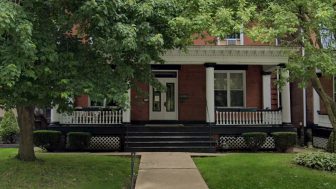
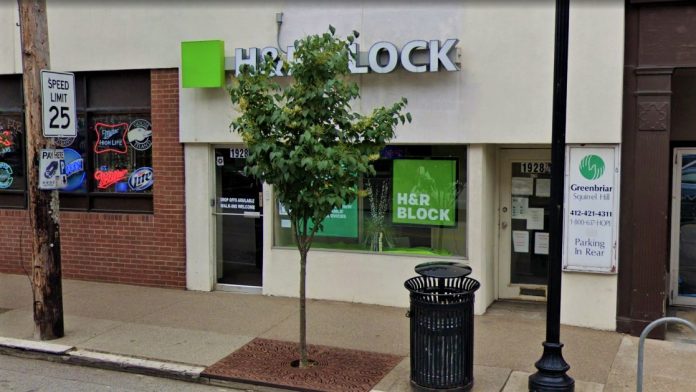
Conveniently situated in the Squirrel Hill neighborhood of Pittsburgh, this clinic was found in a professional medical building, providing discretion for patients. The staff believed in creating a structured unique therapy plan for each individual, supporting you as you continued on your recovery journey and started planning your aftercare support.
Family plays an important role in helping you maintain your sobriety. The center offered counseling programs designed just to educate families on how to best support their loved one during this time, which I think was a key part of their clients’ success.
Part of the Greater Greenbriar Treatment Center Network
The clinic was part of the Greenbriar Treatment Center network, making it easier for patients who needed to coordinate additional areas of medical care. At the center, you would find yourself in a calm and welcoming clinic environment with private counseling areas. The counselors would be able to put you in connection with 12 step type groups and other local support communities to further your recovery.
Treatment in the Squirrel Hill Neighborhood
This treatment center accepted payment from several major insurance companies and Medicaid. Their admissions staff would be happy to provide guidance on coverage concerns and self pay options that were available. The center was also near many recreational areas, including Schenley Park, which can provide patients and families with outdoor activities and mediation time.
Amenities
Private drug rehab provides a comfortable, secure environment that allows you to focus on doing the work to get your life back on track. Benefits include a higher staff-to-client ratio, increased one-on-one time with therapists and healthcare providers, private rooms for clients, and customized forms of therapy.
Addiction Treatment Programs
The Keystone State offers many resources for those struggling with substance use disorders. Each adult program in Pennsylvania provides individualized care, to meet people where they are and help them take the next step on their recovery journey.
Alcohol rehab in Pennsylvania uses various treatment techniques to teach you how to change your lifestyle, living environment, and social connections. These changes help you control urges to drink and learn how to prevent relapse.
Drug rehab in Pennsylvania is devoted to the treatment of addiction. Levels of care, treatment methods, and settings differ, but the aim of each program is to end drug dependency and empower participants to achieve long-term recovery.
Men’s rehab in Pennsylvania can help men receive support from other men who understand their challenges. This provides a sense of camaraderie that relieves feelings of isolation.
Opioid rehab in Pennsylvania often includes medication assisted treatment, which helps alleviate withdrawal. This treatment is combined with other therapies that give you skills to navigate addiction and achieve long-term recovery.
Women’s rehab in Pennsylvania helps females struggling with substance use disorders build the skills necessary to maintain sobriety. Treatment is designed to help women stay on track for long-term recovery.
A young adult program in Pennsylvania provides a comfortable, age-appropriate environment for treatment. These programs offer life skills education, individualized treatment, family therapy, and aftercare.
Levels of Care
While undergoing outpatient treatment in Pennsylvania, you’ll work through challenges such as cravings, social skills, and relapse prevention as you meet with a recovery expert and attend 12-step meetings. This treatment may last a few weeks or several months, depending on your recovery needs.
Accreditations
Accepted Insurance