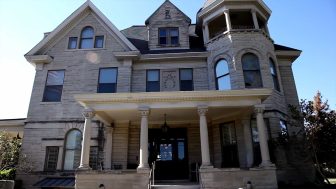
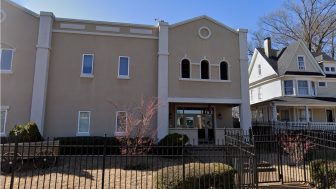
Grace House Halfway House
151 North Montgomery Street
Memphis, TN 38104
 Sponsored
About Grace House Halfway House
Grace Halfway House is a transitional residence designed for women who are working on their substance use disorder (SUD) journey that’s located in Memphis, Tennessee. These residences serve as sober living facilities that provide a safe place for people to live when they’re in treatment.
Some clients come here after successfully completing an inpatient program. It gives them a safe place to stay that’s free from triggers and distractions while they continue building their relapse prevention plan.
Grace Halfway House’s location in Memphis means it’s near several local attractions including natural spaces like Overton Park. It is also located near Memphis Brooks Museum of Art and the Memphis Zoo.
A Special Residence for Women
Grace Halfway House is designed specifically for female residents. While it can be accessed by any woman who meets the necessary criteria of having suffered from SUD, over half of the residents were experiencing homelessness prior to being admitted and almost all participants were struggling financially to make ends meet.
I like that the Residential Rehab Program is designed to offer long term support to residents who usually stay anywhere from three to six months before transitioning to permanent housing solutions.
Continuing Treatment Solutions
I appreciate that the core component of residing at Grace Halfway House is a commitment to continue attending treatment. This can include individual and group sessions as well as co occurring treatment for mental health concerns, access to 12 step, and learning about co-dependency, boundaries, assertiveness, and the recovery process.
A Helping Hand
One of the most important features is the emphasis on aftercare. This includes providing GED courses, computer skills, job search and retention support, as well as life skills and access to community resources to secure stable housing. However, the aftercare program requires a one to two year commitment.
Grace Halfway House accepts state financed insurance plans, government funding allocated for SUD treatment and offers a sliding fee scale based on demonstrated need.
Amenities
Private drug rehab provides a comfortable, secure environment that allows you to focus on doing the work to get your life back on track. Benefits include a higher staff-to-client ratio, increased one-on-one time with therapists and healthcare providers, private rooms for clients, and customized forms of therapy.
Residential drug rehab provides the comforts of home with the therapeutic support needed to successfully recover. Benefits of an inpatient program include increased safety, a higher success rate, and the time and distance given to focus on recovery. Residential drug rehabs are often the preferred method of treatment, as they can be tailored to meet specific needs, offer focused therapeutic care, and provide the necessary tools to sustain recovery.
Recreational therapy uniquely combines therapeutic interventions with an activity, like horse-riding, hiking, wilderness therapy, basketball, tennis, or a full workout. Benefits of recreational therapy include providing a healthy way to work through the emotions of recovery, learning to build and maintain relationships, improving communication skills, and building self-esteem.
In order to maintain a sense of autonomy, many private rehab facilities offer clients the ability to choose their own private rooms. The privacy and personal space ensure that the recovery process is as comfortable as possible.
Wilderness rehab programs offer all the benefits of a traditional drug rehab, but with the added benefits of outdoor adventure. Venture out into the forest to learn new skills, explore the beauty of nature, and relieve stress. Engaging in wilderness activities is a great way to gain self-discovery and release negative emotions.
When used as part of an evidence-based treatment plan, basketball can boost physical and mental health, lead to sharper thinking, and facilitate improved self-esteem. Drug rehabs with a basketball court also place a focus on teamwork and cooperation.
Addiction Treatment Programs
A young adult program in Tennessee helps participants overcome the effects of substance use on the developing brain. Participants build positive peer relationships, learn how to manage stress without drugs or alcohol, and develop tools for resolving trauma and setting boundaries.
An adult program in Tennessee helps individuals reclaim their lives from addiction. Through various treatment methods, adults learn how to end their dependence on substances and live a drug-free lifestyle.
An alcohol rehab in Tennessee provides treatment to break free from alcohol addiction. Methods typically combine counseling, group support, and behavioral therapy, with alcohol abstinence and long-term sobriety as the goals.
The main goal of women’s rehab in Tennessee is to provide a comfortable setting where women can focus on recovery. This environment helps women in treatment nurture their body, mind, and spirit without distractions.
Opioid rehab in Tennessee helps you overcome your addiction to opioids. Programs typically include detoxification, medication assisted treatment, and counseling. Detox helps you safely manage withdrawal. Counseling helps you explore the reasons behind your addiction and learn skills to overcome it.
Therapists and clients work collaboratively during cognitive behavioral therapy in Tennessee to develop strategies for problem solving and changing behaviors. This solution-based therapy helps change thinking and behavior patterns that lead to addiction.
Drug rehab in Tennessee prepares you to start life anew with the right tools to maintain sobriety. You’ll learn how to manage stress, adopt healthy lifestyle habits, and prevent relapse. This is typically accomplished through counseling, medication, and evidence-based therapies.
As a form of psychotherapy, rational emotive behavioral therapy in Tennessee helps clients focus on the present and examine their unhealthy behaviors. Treatment teaches clients to identify how their beliefs are negatively impacting their lives and gives them the skills to alter irrational beliefs and resulting behaviors.
Assertive Community Treatment (ACT) is an integrative, community-based care strategy designed to address the needs of persons with severe and/or complex mental illness or behavioral disorders. ACT is typically provided by a multidisciplinary team of medical and mental health care providers, social workers, therapists, and other specialists, including addiction recovery professionals. These services are frequently provided in the home and community to clients in crisis, those who are clinically unstable, and those who are unable or unwilling to travel to a hospital or clinic for in-person treatment.
Levels of Care
Those who are coping well with reentry into society while sober are good candidates for outpatient rehab in Tennessee. This program involves attending multiple on-site sessions per week to provide accountability and support. Treatment lasts as long as you need it to, as it's based on your recovery progression.
Substance abuse disorders are often accompanied by mental health issues such as depression, bipolar disorder, or ADHD. In these cases, dual diagnosis treatment in Tennessee offers integrated treatment to effectively treat both co-occurring disorders.
One of the best ways to prevent relapse is to take advantage of Tennessee aftercare rehab. This program begins as soon as initial treatment ends. It provides ongoing support through counselors, support groups, and life coaches, to help you overcome hurdles on your recovery journey.
If you choose inpatient drug rehab in Tennessee, you live at the facility while receiving treatment. You’ll have 24/7 supervised clincial care while also receiving group and individual counseling and other forms of therapy.
Sober living in Tennessee provides a structured environment with strict substance use policies that can help you learn to live a sober lifestyle. This intermediate step often helps people successfully transition from rehab treatment to independent living. An average stay is five to eight months.
Intervention services in Tennessee are available for family members who need support as they try to guide a loved one toward wise choices. To get loved ones the help they need, intervention specialists offer facilitation of interventions, access to valuable resources, and guidance in choosing the best treatment plan.
Accreditations
Contact Information


 Sponsored