Grace Court
3750 Meadow View Road Suite A-1 Lumberton, NC 28358
 Sponsored
About Grace Court
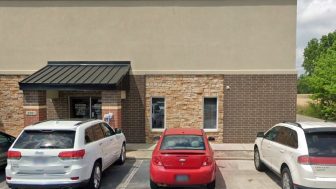
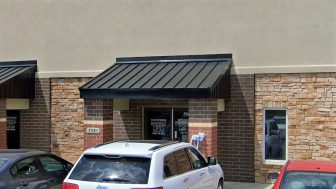
Grace Court in Lumberton, North Carolina is one of those programs that does so much more than people realize. It’s tucked right in town and it’s built specifically for women in recovery who need a stable place to land, especially women who have kids with them. Instead of a big group home vibe, it’s all apartments, so it really feels like your own space where you can breathe, reset and get your life back on track.
Sixteen of the apartments are for women who are in that transitional living stage and eight are for women who need more intensive support because they’re still in early recovery. And what’s nice is that the whole thing is set up to be drug and alcohol free, but still work friendly and family oriented.
Designed for Women Who Are Carrying a Lot
Grace Court is part of the Robeson Health Care Corporation. They truly understand the layers women deal with, like substance use, trauma, domestic violence and parenting stress. They build a full plan around each mom and don’t just focus on addiction. They offer SACOT and SAIOP which are basically higher level outpatient programs that give structure and accountability while still letting women live in the apartment with their kids .
Your Kids Are Actually Supported Too
One of the biggest things that makes Grace Court different is how much they support the children. They have onsite babysitting, so moms can go to groups, appointments, court dates, job interviews and whatever else they need without having to scramble for childcare. They help arrange medical and dental care for the kids and developmental screenings if needed. Plus, they even help with transportation which is huge when you’re trying to juggle treatment and parenting.
Amenities

Residential Setting
Residential drug rehab provides the comforts of home with the therapeutic support needed to successfully recov...er. Benefits of an inpatient program include increased safety, a higher success rate, and the time and distance given to focus on recovery. Residential drug rehabs are often the preferred method of treatment, as they can be tailored to meet specific needs, offer focused therapeutic care, and provide the necessary tools to sustain recovery.Addiction Treatment Programs
Adult Program
An adult program in North Carolina typically combines individual and group counseling, medical treatment, and various other therapies to treat substance use disorders. Treatment can take place in an inpatient or outpatient setting.Alcoholism
Alcohol rehab in North Carolina is a course of treatments that helps participants overcome alcohol dependency. Treatments address physical, mental, and emotional aspects of substance use disorder and help the individual develop healthy habits for long-term recovery.Women's Rehab
Women’s rehab in North Carolina allows women to receive gender-specific treatment tailored to their needs. Programs are available for alcohol, heroin, prescription drugs, benzos, and any other addictive substances, as well as co-occurring disorders.Opioid Treatment
To overcome opioid addiction, attend opioid rehab in North Carolina. Treatment takes place in inpatient or outpatient care, using a variety of therapies, medications, and other helpful interventions. Length of treatment caries, typically lasting 30, 60, or 90 days.Cognitive Behavioral Therapy (CBT)
Many therapists use cognitive behavioral therapy in North Carolina to treat substance use disorders. This goal-oriented method addresses maladaptive thinking and related beliefs that affect behaviors and can lead to addiction.Drug Rehab
There are many types of drug rehab in North Carolina. To receive treatment for addiction, you can choose from many inpatient and outpatient programs. Often, participants start with detox and work through a full continuum of care that continues with ongoing support for long-term recovery.LGBTQ Friendly Rehab
Women’s rehab in North Carolina allows women to receive gender-specific treatment tailored to their needs. Programs are available for alcohol, heroin, prescription drugs, benzos, and any other addictive substances, as well as co-occurring disorders.Rehab For Veterans
Veteran’s rehab in North Carolina offers trauma-informed therapy from experienced mental health professionals. These programs offer a supportive and understanding environment to help Veterans recover from substance use disorders and manage co-occurring conditions.Levels of Care
Inpatient Rehab
When you choose inpatient drug rehab in North Carolina, you’ll live at a rehab facility for 28 to 90 days, d...epending on the program. Typical methods of treatment include group and individual therapy and family counseling.Outpatient Rehab
Outpatient rehab in North Carolina is often the next step for those who complete an inpatient program. This le...ss restrictive treatment involves several hours of therapy per week, and accountability through 12-step meetings such as AA. You’ll continue this treatment as long as needed, which could be weeks, months, or years.Dual Diagnosis & Mental Health
Some of the most common co-occurring mental health disorders include anxiety, depression, and eating disorders.... When these are present alongside substance use disorder, dual diagnosis treatment in North Carolina is necessary to address both conditions.Partial Hospitalization Program (PHP)
Partial hospitalization programs (PHPs) in North Carolina give you structured treatment during the day but all...ow you to return home at night. PHPs can include elements like group therapy, individual counseling, and medication management.Intensive Outpatient Program (IOP)
Sober Living
Many people find that a few months in North Carolina sober living after rehab treatment gives them a good foun...dation for long-term recovery. The average stay at a sober living home is five to eight months, but you get to decide when you are ready to live on your own.Accreditations

CARF

Joint Commission

SAMHSA
Insurance
 Financial Aid
If you’re struggling to cover the cost of alcohol and drug rehab in North Carolina, financial aid may be a g...ood solution. Financial assistance options include grants, scholarships, non-profit programs, personal funding, and health insurance programs to help you manage the expense of substance abuse treatment.
 Medicaid Accepted
If need help with the cost of alcohol and drug rehab in North Carolina, you may be eligible for Medicaid. This... coverage can assist with the cost of treatment, including detox, inpatient rehab, and more, but the amount covered may vary.
 Medicare Accepted
If you're enrolled in Medicare, or find out you’re eligible for Medicare, you may be able to use your Medica...re benefits to help pay for alcohol and drug rehab in North Carolina. The amount of coverage will depend on many things, including whether you are seeking inpatient or outpatient treatment for substance abuse.
 TRICARE
Administered by the Department of Defense, TRICARE offers comprehensive military health insurance plans for ac...tive and retired military members and their families. Similar to PPO programs offered by private insurance companies, TRICARE covers multiple levels of care for addiction treatment, including detox, inpatient rehab, and outpatient services.
 Private Insurance
Your insurer may help cover the cost of alcohol and drug rehab in North Carolina. The amount covered will depe...nd on your policy and whether the treatment center is in-network or out-of-network. You may be left with some costs like a co-payment, or co-insurance. Check with your insurer for more information.
 Self-Pay Options
In North Carolina, you have the option to take charge of your treatment costs and pay out-of-pocket, known as ...self-pay or private pay. Paying for alcohol and drug rehab in North Carolina, you to access all levels of care — including detox in North Carolina, and inpatient rehab in North Carolina —without being subject to the limitations of your insurance provider.
 Sliding Scale Payment
If you need help covering the cost of alcohol and drug rehab in North Carolina but cannot pay the full amount,... a sliding scale payment plan may be an option. This allows you to access all levels of care, including detox, inpatient rehab, and more, on a sliding scale based on your financial situation. To qualify for this treatment discount, you must complete an application and provide supporting financial documentation.Contact Grace Court


 Sponsored