Good Friends
868 West Bridge street Morrisville, PA 19067
 Sponsored
About Good Friends
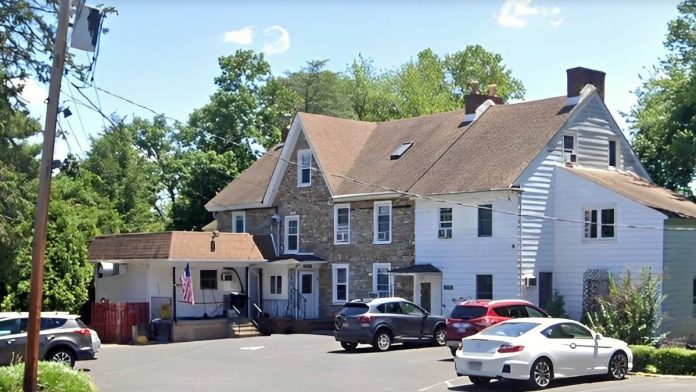
Good Friends, located in Morrisville, Pennsylvania, offers residential alcohol and drug treatment programs to adult men. This large farmhouse is gorgeously designed with modern lighting, a luxurious waiting room, and landscaping with a golf course.
This is a place where you’ll not only receive formal treatments but you’ll be sincerely encouraged in your personal growth. They accept Medicaid and provide sliding scale fees depending on your financial circumstances.
Flexible Care for Men
Situated in beautiful Bucks County, you’ll be invited to work as part of your therapeutic experience. The money you earn from working is your money and you’ll be encouraged to hold onto your earnings in order to benefit you as you transition back into living independently.
If you’re not able to work, Good Friends will help you develop a healthy routine to stay busy. You’ll be allowed to have your cell phone and you’ll also be allowed to receive mail and packages. The typical length of stay at Good Friends is three months.
Supportive Community Meetings
Peer groups, group therapy, and individual therapy are key components of Good Friends’ program. Their community meets are run twice per week and each meeting lasts about 45 minutes.
Each meeting will focus on helping you effectively manage your recovery process through your day-to-day living at the house.
Amenities

Private Rooms
In order to maintain a sense of autonomy, many private rehab facilities offer clients the ability to choose th...eir own private rooms. The privacy and personal space ensure that the recovery process is as comfortable as possible.Addiction Treatment Programs
Adult Program
The Keystone State offers many resources for those struggling with substance use disorders. Each adult program in Pennsylvania provides individualized care, to meet people where they are and help them take the next step on their recovery journey.Alcoholism
Alcohol rehab in Pennsylvania uses various treatment techniques to teach you how to change your lifestyle, living environment, and social connections. These changes help you control urges to drink and learn how to prevent relapse.Opioid Treatment
Opioid rehab in Pennsylvania often includes medication assisted treatment, which helps alleviate withdrawal. This treatment is combined with other therapies that give you skills to navigate addiction and achieve long-term recovery.Cognitive Behavioral Therapy (CBT)
Cognitive behavioral therapy in Pennsylvania helps participants identify inaccurate thinking and learned patterns of negative behavior and how to change them. It gives participants the skills to relieve their symptoms without turning to substances.Drug Rehab
Drug rehab in Pennsylvania is devoted to the treatment of addiction. Levels of care, treatment methods, and settings differ, but the aim of each program is to end drug dependency and empower participants to achieve long-term recovery.Levels of Care
Inpatient Rehab
When first starting drug rehab in Pennsylvania, many individuals begin with inpatient rehab. This involves sta...ying at the facility 24/7 and receiving a variety of treatment methods that typically include group and individual counseling.Dual Diagnosis & Mental Health
Mental illness and substance abuse are so integrated that they must be treated together. Ignoring one and trea...ting the other doesn’t work. Dual diagnosis treatment in Pennsylvania effectively addresses both mental health and substance abuse disorders, for the best outcomes.Aftercare & Alumni Program
Following rehab, you can receive much-needed ongoing support through aftercare rehab in Pennsylvania. Services... may include financial planning, career guidance, legal advice, and other practical supports, as well as counseling and 12-step groups. Taking advantage of these resources greatly reduces the chance of relapse.Sober Living
An average stay at a Pennsylvania sober living home is designed to decrease your chances of relapsing. While t...here, you’ll work on strengthening your recovery skills and prepare to live on your own. You’ll attend 12-step meetings, work or go to school, and follow a structured schedule that provides stability and accountability.Accreditations

SAMHSA
Insurance
 Financial Aid
Financial Aid: If you need help with paying for alcohol and drug rehab in Pennsylvania, financial aid may be a... good solution. Financial assistance options include grants, scholarships, non-profit programs, personal funding, and health insurance programs to help you manage the expense of substance abuse treatment.
 Medicaid Accepted
If need help paying for alcohol and drug rehab in Pennsylvania, you may be eligible for Medicaid. Coverage thr...ough Medicaid may vary, but it can assist with the cost of alcohol and drug rehab, including detox, inpatient rehab, and more.
 TRICARE
Administered by the Department of Defense, TRICARE offers comprehensive military health insurance plans for ac...tive and retired military members and their families. Similar to PPO programs offered by private insurance companies, TRICARE covers multiple levels of care for addiction treatment, including detox, inpatient rehab, and outpatient services.
 Self-Pay Options
You have the choice to pay for your alcohol and drug rehab in Pennsylvania out-of-pocket, also called as self-...pay or private pay. This way, there are no restrictions placed on your access to treatment, courtesy of insurance companies. Payment methods include checks, personal loans, medical loans, credit cards, and many others.Contact Good Friends


 Sponsored