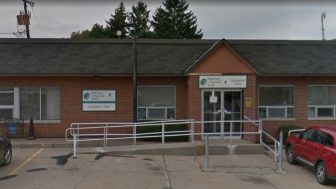
Glenbeigh Outpatient Center of Erie
4906 Richmond Street
Erie, PA 16509
 Sponsored
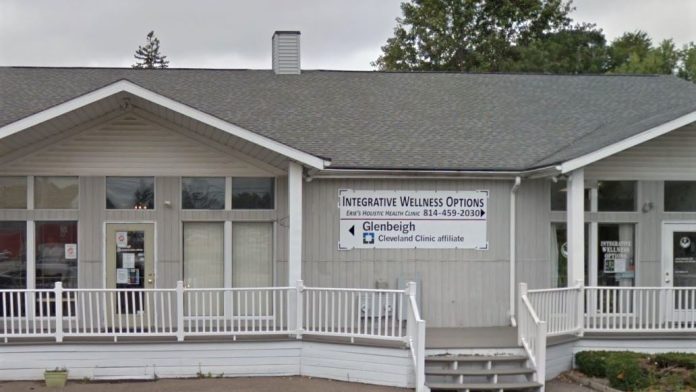
About Glenbeigh Outpatient Center of Erie
Glenbeigh’s Outpatient Center of Erie, Pennsylvania, offers structured addiction treatment for adults in a city known for its strong healthcare and peer support network. They’re part of Ashtabula County Medical Center, an affiliate of Cleveland Clinic. You’ll get treatment at a nonprofit community center. They accept several major insurance providers and offer financial assistance if you don’t have insurance.
A Full Circle of Support
Recovery is a journey, and having everything in one place makes the road a little smoother. They offer a full continuum of care, so patients don’t have to transfer between providers. Erie has a long history of people coming together to lift one another up, and Glenbeigh continues that tradition by providing care in a confidential and compassionate setting.
Specialized Programs for Lasting Recovery
Everyone’s path to recovery looks different. One thing that stands out to me here is their gender-responsive treatment. Having a space to connect with others who understand you can make a huge difference.
I appreciate the specialized support provided for professionals balancing careers and sobriety, Healthcare workers, educators, and other licensed professionals receive guidance on workplace challenges, licensure requirements, and recovery planning.
Free Family Support
Addiction affects loved ones, too. Your family can participate in free family education sessions both in-person and virtual. Between the free family support and the comprehensive addiction treatment services, Glenbeigh Outpatient Center of Erie offers a solid program to consider for recovery.
Amenities
Private drug rehab provides a comfortable, secure environment that allows you to focus on doing the work to get your life back on track. Benefits include a higher staff-to-client ratio, increased one-on-one time with therapists and healthcare providers, private rooms for clients, and customized forms of therapy.
Addiction Treatment Programs
The Keystone State offers many resources for those struggling with substance use disorders. Each adult program in Pennsylvania provides individualized care, to meet people where they are and help them take the next step on their recovery journey.
Alcohol rehab in Pennsylvania uses various treatment techniques to teach you how to change your lifestyle, living environment, and social connections. These changes help you control urges to drink and learn how to prevent relapse.
Drug rehab in Pennsylvania is devoted to the treatment of addiction. Levels of care, treatment methods, and settings differ, but the aim of each program is to end drug dependency and empower participants to achieve long-term recovery.
Men’s rehab in Pennsylvania can help men receive support from other men who understand their challenges. This provides a sense of camaraderie that relieves feelings of isolation.
Opioid rehab in Pennsylvania often includes medication assisted treatment, which helps alleviate withdrawal. This treatment is combined with other therapies that give you skills to navigate addiction and achieve long-term recovery.
Women’s rehab in Pennsylvania helps females struggling with substance use disorders build the skills necessary to maintain sobriety. Treatment is designed to help women stay on track for long-term recovery.
A young adult program in Pennsylvania provides a comfortable, age-appropriate environment for treatment. These programs offer life skills education, individualized treatment, family therapy, and aftercare.
Levels of Care
While undergoing outpatient treatment in Pennsylvania, you’ll work through challenges such as cravings, social skills, and relapse prevention as you meet with a recovery expert and attend 12-step meetings. This treatment may last a few weeks or several months, depending on your recovery needs.
Following rehab, you can receive much-needed ongoing support through aftercare rehab in Pennsylvania. Services may include financial planning, career guidance, legal advice, and other practical supports, as well as counseling and 12-step groups. Taking advantage of these resources greatly reduces the chance of relapse.
Accreditations
Accepted Insurance



Contact Information


 Sponsored