
Gaudenzia Diagnostic and Rehabilitation Center (DRC)
 Sponsored
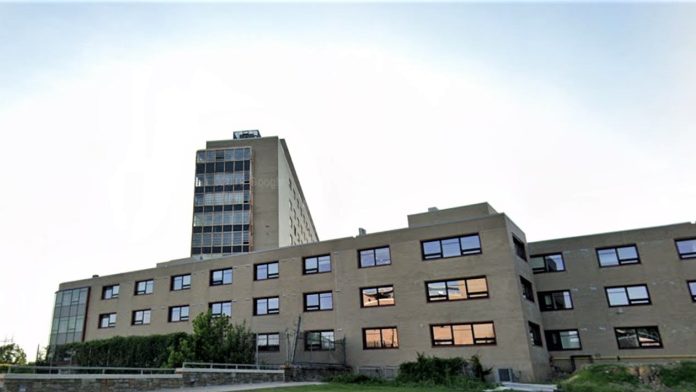
About Gaudenzia Diagnostic and Rehabilitation Center (DRC)
Gaudenzia Diagnostic and Rehabilitation Center (DRC) is a nonprofit addiction treatment facility in Philadelphia, Pennsylvania, providing outpatient care for adults.
The DRC offers dual-diagnosis treatment, medication assisted treatment (MAT) and comprehensive assessment for substance use and co-occurring mental health disorders.
As part of the long-running Gaudenzia network, the center is built on a mission centered on long-term recovery and whole-person support that meets clients wherever they are in their journey.
Outpatient Addiction and MAT Services in Philadelphia
The DRC's core focus is outpatient addiction treatment, offering regular outpatient and intensive outpatient programs alongside MAT options like buprenorphine, buprenorphine with naloxone and injectable naltrexone (Vivitrol).
The center, I've found, also welcomes clients already receiving MAT prescribed elsewhere.
Treatment draws on approaches including cognitive behavioral therapy, dialectical behavior therapy, motivational interviewing, contingency management and relapse prevention.
Sessions are paired with thorough assessment, screening, overdose education and continuing care to address both the symptoms and underlying drivers of substance use.
Dual-Diagnosis and Special Population Care
The DRC specializes in dual-diagnosis care for clients with co-occurring mental and substance use disorders.
It serves a broad range of populations, including veterans, LGBT clients, justice-involved individuals, older adults and people with trauma histories.
I've learned that their practical recovery supports extend to housing assistance, peer mentoring, employment counseling and social services navigation.
Longstanding Regional Care
The DRC serves the Philadelphia community from 3200 Henry Avenue, with telehealth therapy also available.
As part of the Gaudenzia nonprofit network, it offers a longstanding regional continuum of recovery care.
The facility accepts Medicaid, Medicare, private insurance and self-pay, with sliding fee scale options available.
Amenities
Private drug rehab provides a comfortable, secure environment that allows you to focus on doing the work to get your life back on track. Benefits include a higher staff-to-client ratio, increased one-on-one time with therapists and healthcare providers, private rooms for clients, and customized forms of therapy.
Residential drug rehab provides the comforts of home with the therapeutic support needed to successfully recover. Benefits of an inpatient program include increased safety, a higher success rate, and the time and distance given to focus on recovery. Residential drug rehabs are often the preferred method of treatment, as they can be tailored to meet specific needs, offer focused therapeutic care, and provide the necessary tools to sustain recovery.
Recreational therapy uniquely combines therapeutic interventions with an activity, like horse-riding, hiking, wilderness therapy, basketball, tennis, or a full workout. Benefits of recreational therapy include providing a healthy way to work through the emotions of recovery, learning to build and maintain relationships, improving communication skills, and building self-esteem.
Yoga and meditation are great activities to support your recovery process during alcohol or drug rehab. These therapies have been around for centuries, and they are an effective way to improve well-being. Combining addiction treatment, yoga, and meditation can reduce cravings, improve sleep, relieve anxiety and depression, provide stress relief, promote relaxation, support emotional healing, and improve energy levels.
In order to maintain a sense of autonomy, many private rehab facilities offer clients the ability to choose their own private rooms. The privacy and personal space ensure that the recovery process is as comfortable as possible.
Addiction Treatment Programs
The Keystone State offers many resources for those struggling with substance use disorders. Each adult program in Pennsylvania provides individualized care, to meet people where they are and help them take the next step on their recovery journey.
Alcohol rehab in Pennsylvania uses various treatment techniques to teach you how to change your lifestyle, living environment, and social connections. These changes help you control urges to drink and learn how to prevent relapse.
Men’s rehab in Pennsylvania can help men receive support from other men who understand their challenges. This provides a sense of camaraderie that relieves feelings of isolation.
Women’s rehab in Pennsylvania helps females struggling with substance use disorders build the skills necessary to maintain sobriety. Treatment is designed to help women stay on track for long-term recovery.
Opioid rehab in Pennsylvania often includes medication assisted treatment, which helps alleviate withdrawal. This treatment is combined with other therapies that give you skills to navigate addiction and achieve long-term recovery.
Drug rehab in Pennsylvania is devoted to the treatment of addiction. Levels of care, treatment methods, and settings differ, but the aim of each program is to end drug dependency and empower participants to achieve long-term recovery.
Cognitive behavioral therapy in Pennsylvania helps participants identify inaccurate thinking and learned patterns of negative behavior and how to change them. It gives participants the skills to relieve their symptoms without turning to substances.
Levels of Care
While undergoing outpatient treatment in Pennsylvania, you’ll work through challenges such as cravings, social skills, and relapse prevention as you meet with a recovery expert and attend 12-step meetings. This treatment may last a few weeks or several months, depending on your recovery needs.
Mental illness and substance abuse are so integrated that they must be treated together. Ignoring one and treating the other doesn’t work. Dual diagnosis treatment in Pennsylvania effectively addresses both mental health and substance abuse disorders, for the best outcomes.
Following rehab, you can receive much-needed ongoing support through aftercare rehab in Pennsylvania. Services may include financial planning, career guidance, legal advice, and other practical supports, as well as counseling and 12-step groups. Taking advantage of these resources greatly reduces the chance of relapse.
When first starting drug rehab in Pennsylvania, many individuals begin with inpatient rehab. This involves staying at the facility 24/7 and receiving a variety of treatment methods that typically include group and individual counseling.
Experience safe detox in Pennsylvania as your initial step toward recovery. During this process, you’ll receive 24/7 care while your body is cleansed of all addictive substances. Treatment may include medication to alleviate withdrawal symptoms.
Accreditations
Contact Information


 Sponsored
Maygen Brockway, MTC, has more than 10 years of editing and writing experience. She’s written for the medical, wedding, fashion, and technical industries. She’s a poetry lover, coffee and whiskey drinker, social butterfly, and mom who lives in scenic Southern Utah. She has a Master’s in Technical Communication and loves writing.
Rehabs.org regularly reviews this listing for accuracy but changes may occur between updates. For the most up-to-date information, please contact Gaudenzia Diagnostic and Rehabilitation Center (DRC).
Nearby Treatment Centers

2454 West Oakdale Street
Philadelphia, PA 19132
2137 North 33rd Street
Philadelphia, PA 19121
5401 Wayne Avenue
Philadelphia, PA 19144
3609 North Broad Street
Philadelphia, PA 19140
