
Gateway Regional Medical Center
2100 Madison Avenue Granite City IL, 62040
 Sponsored
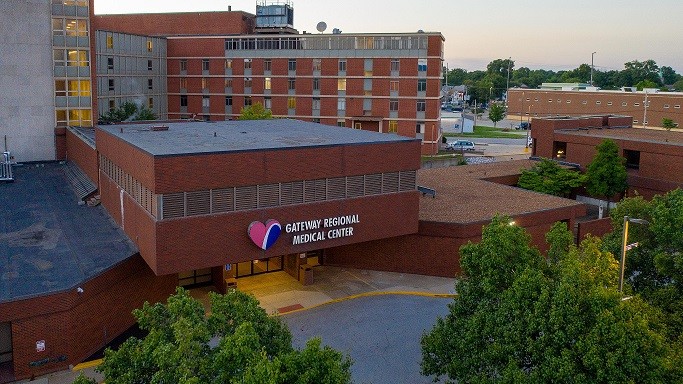
About Gateway Regional Medical Center
If you have a time in your life when you’re really struggling with addiction and just need a safe place to stabilize, Gateway Regional Medical Center in Granite City, Illinois is one of those hospital based programs that feels like a solid starting point. It’s not a flashy rehab or anything like that but their Behavioral Medicine Center handles a lot of the heavy hitting mental health and substance use difficulties that people deal with during a crisis.
A Medical Approach to Recovery
Gateway treats substance use disorders as part of their broader behavioral health services. Even though they don’t advertise a formal detox program, they do work with patients who are struggling with alcohol or drug use.
Care usually combines medication management, group therapy, individual counseling and psychiatric support, all tailored to whatever else the person is facing. One thing I like is that they treat addiction like any other medical condition. They’re not judgmental about it. It’s more like, “you’re here, you’re safe, let’s figure out what’s going on and how to stabilize you.”
A Safe Place When Things Feel Unmanageable
Most of what they offer is inpatient stabilization, so think of it as a place where someone can come when things have hit a breaking point. They do 24/7 assessments, they have psychiatrists and nurses on the unit at all times and the whole goal is to get a person medically and emotionally steady again. For addiction, that usually means managing withdrawal symptoms, addressing safety concerns and getting a treatment plan put in place.
Once someone is stable, the team helps set up the next steps, like outpatient therapy or community resources. I’m glad to see that they really try to make sure that when their patients leave, the next steps are ready for them.
Amenities

Residential Setting
Residential drug rehab provides the comforts of home with the therapeutic support needed to successfully recov...er. Benefits of an inpatient program include increased safety, a higher success rate, and the time and distance given to focus on recovery. Residential drug rehabs are often the preferred method of treatment, as they can be tailored to meet specific needs, offer focused therapeutic care, and provide the necessary tools to sustain recovery.Addiction Treatment Programs
Adult Program
Individuals who are struggling with addiction to drugs or alcohol can get support at an adult program in Illinois. Designed for men and women over the age of 18, these programs offer rehabilitation treatment and recovery services.Rehab For Veterans
Veteran’s rehab in Illinois is specialized addiction recovery that is dedicated to military Veterans. Treatment often addresses substance use and common co-occurring mental health disorders.Levels of Care
Inpatient Rehab
Inpatient rehab in Illinois features intensive clinical supervision and a highly structured and supportive env...ironment, meaning this level of care is especially well suited for clients just beginning their recovery journey and those at risk of relapse.Detox & MAT
The first step toward a drug-free future is typically detox. This initial phase of drug rehab in Illinois can ...last up to a week. During this time, addictive substances are slowly and safely cleansed from your body.Outpatient Rehab
Outpatient rehab in Illinois may be brief or long-term, depending on the individual. During this time, you wil...l maintain membership in a support group as well as attend one-on-one counseling sessions. The focus is ongoing development of life skills that will prevent relapse.Dual Diagnosis & Mental Health
An Illinois dual diagnosis program treats both your mental health and recovery needs. Psychiatrists and addict...ion specialists work together to address co-occurring disorders, such as depression, anxiety, or ADHD.Partial Hospitalization Program (PHP)
Partial hospitalization programs (PHPs) in Illinois are often a good fit for those who have work or family obl...igations that would otherwise exclude them from participating in an inpatient program. PHPs typically require an average treatment commitment of five to seven onsite visits a week, each ranging from four to eight hours in length.Intensive Outpatient Program (IOP)
Accreditations

Joint Commission
Insurance
 Financial Aid
If you need help to pay for alcohol and drug rehab in Illinois, there are a number of financial aid programs a...vailable. In order to qualify for aid, you must fill out an application and check on the status of your application often. Competition can be stiff for these forms of financial assistance.
 Medicaid Accepted
Medicaid will cover at least some, if not all, of the associated costs for detox and alcohol or drug rehab in ...Illinois. Since Medicaid is not accepted by every treatment provider, be sure to speak with your insurance provider to confirm your benefits and the coverage details before entering a treatment program.
 Medicare Accepted
If you qualify for Medicare coverage, you can use it to offset the costs of alcohol and drug rehab in Illinois.... It pays for inpatient and outpatient treatment, so long as it's deemed medically necessary, you receive care from a center that accepts Medicare, and a medical provider sets up your plan of care.
 TRICARE
Administered by the Department of Defense, TRICARE offers comprehensive military health insurance plans for ac...tive and retired military members and their families. Similar to PPO programs offered by private insurance companies, TRICARE covers multiple levels of care for addiction treatment, including detox, inpatient rehab, and outpatient services.
 Private Insurance
For those who have priviate insurance coverage, the cost of alcohol and drug rehab in Illinois can be greatly ...reduced or completely eliminated. But keep in mind, coverage rates vary by specific plan, so be sure to confirm your plan details with your provider.
 Self-Pay Options
Self-pay options, also known as private pay, are common when paying for drug rehab in Illinois. As the name su...ggests, you are paying for treatment out-of-pocket. Examples of private pay include paying in cash, writing a check, taking out a personal or medical loan, credit card payments, and more.Contact Gateway Regional Medical Center


 Sponsored


