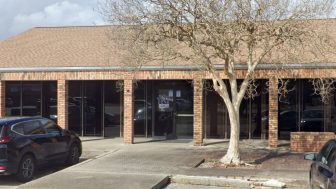
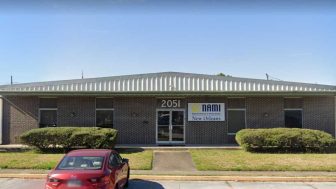
Gateway Recovery Systems
4103 Lac Couture Drive
Harvey, LA 70058
 Sponsored
About Gateway Recovery Systems
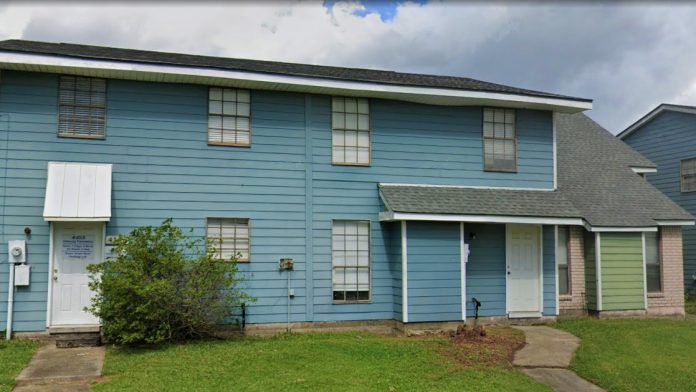
If you’re ready to move on from drugs and alcohol and start a healthy new life then there could be a place for you at Gateway Recovery Systems. This residential rehab for men is in Harvey, Louisiana near New Orleans. They have a complex of 60 townhomes where you’ll live in a supportive community with peers in recovery. In fact all of the staff here are in recovery too.
The treatment program here uses a technique called the Minnesota Model. It’s based on 12 step programs like AA so it emphasizes group therapy and peer support while working through the steps. The focus here is on changing your philosophy about the world and changing your relationship to yourself and others so you can approach life in a more positive way.
Part of the program here also includes building coping skills to help you manage life without turning to drugs and alcohol. They’ll help you build a foundation for your new sober life while you also develop a strong sober community with your peers. Many of the clients say that this rehab was a life changing and life giving experience for them and report that even years after treatment they’re still sober and thriving.
Amenities
Private drug rehab provides a comfortable, secure environment that allows you to focus on doing the work to get your life back on track. Benefits include a higher staff-to-client ratio, increased one-on-one time with therapists and healthcare providers, private rooms for clients, and customized forms of therapy.
Residential drug rehab provides the comforts of home with the therapeutic support needed to successfully recover. Benefits of an inpatient program include increased safety, a higher success rate, and the time and distance given to focus on recovery. Residential drug rehabs are often the preferred method of treatment, as they can be tailored to meet specific needs, offer focused therapeutic care, and provide the necessary tools to sustain recovery.
Addiction Treatment Programs
Addiction treatment options in the Bayou State include a rehab adult program in Louisiana. Designed to serve Louisiana men and women over the age of 18, these programs employ a variety of treatment methods to help individuals achieve sobriety.
Alcohol rehab in Louisiana is the process of recovering from dinking problems through a combination of treatment methods. Most programs incorporate 12-step methods, individual and group counseling, and therapeutic activities.
With high success rates, cognitive behavioral therapy in Louisiana is often incorporated into addiction treatment. These techniques are used in support groups and individual therapy, to help individuals change their thought patterns and encourage ongoing sobriety.
While each drug rehab in Louisiana offers unique elements, recovery support often follows a similar pattern. Detox is followed by inpatient and/or outpatient care, then aftercare support is provided once the participant completes the initial program.
Treatment professionals at men’s rehab in Louisiana understand unique challenges men face while battling addiction. That’s why programs are available that target treatment for men at every level of care.
During Veteran’s rehab in Louisiana, participants often engage in individual and group therapy. Goals of therapy include creating strategies to cope with physical and emotional pain and developing positive decision-making skills.
During opioid rehab in Louisiana, you’ll participate in evidence-based protocols that use medications, recovery support, and follow-up care designed to address withdrawal issues and prevent relapse. You’ll form new healthy habits and learn how to abstain from opioid and avoid negative consequences of dependence.
Unhealthy thoughts and beliefs often prevent a person from achieving goals and enjoying a healthier life. Rational emotive behavioral therapy in Louisiana helps identify and replace these thoughts and beliefs, to reduce self-sabotaging behavior such as substance abuse.
Elderly rehab in Louisiana provides an environment where seniors can receive mutual support from peers and treatment that is tailored to their needs. This encourages individuals to fully participate and enjoy better outcomes for addiction recovery.
Women enrolled in gender-specific addiction programs have better outcomes than those in mixed-gender programs. That’s why women’s rehab in Louisiana provides treatment specifically for women, to meet their unique needs.
When individuals participate in a young adult program in Louisiana, they typically receive a variety of age-appropriate therapies. Common treatment methods include cognitive behavioral therapy, motivational interviewing, and 12-step groups.
Levels of Care
A typical Louisiana outpatient rehab offers a less-intensive treatment option. It is a good fit for those who have a moderate addiction and need accountability and ongoing relapse prevention support. Treatment includes therapy and support groups, and may continue to weeks or months, based on the individual’s needs.
When you have a mental health disorder, addiction treatment must look different than standard rehab. The program must address both your mental health and substance abuse disorders. Louisiana dual diagnosis treatment is designed to do just that.
Participating in Louisiana aftercare rehab is one of the best ways to prevent relapse after completing a reahb program. Aftercare programs provide support, counseling, and guidance for weks up to a year or more to keep you on the recovery path.
Residential or inpatient rehab in Louisiana is the most intensive level of care. It involves living at the rehab facility and receiving 24/7 supervised care. Treatment interventions usually include individual and group therapy, nutritional counseling, experiential therapies, and medication.
Louisiana sober living gives you peer support in a structured living environment. Research has shown that this communal setting can provide the structure needed to improve recovery outcomes. You can live there as long as you need the support, until you have developed the skills to maintain sobriety in independent living.
Accreditations
Contact Information


 Sponsored