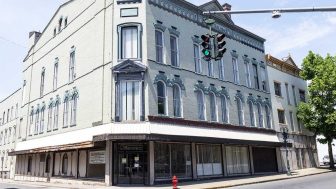
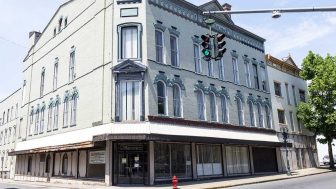
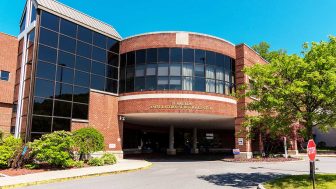
Fulton Friendship House
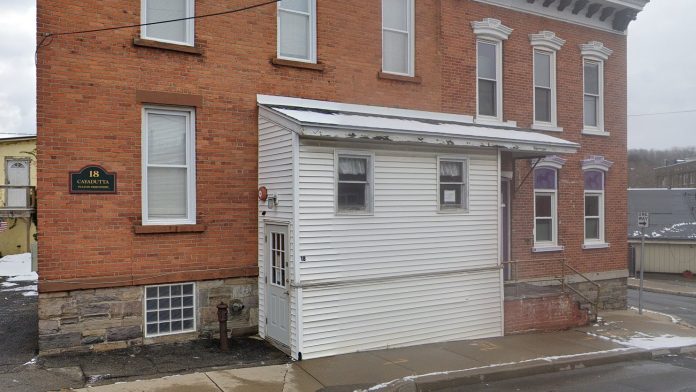
18 Cayadutta Street
Gloversville, NY 12078
 Sponsored
About Fulton Friendship House
In Gloversville, New York, Fulton Friendship House is a residential intervention program for adults. They accept both men and women over the age of 18. They help folks with functional and behavioral issues that prevent them from accessing housing. This could include substance use disorders or other mental illnesses.
They run multiple residential programs such as The Friendship Lodge. This is a short-term, apartment-based program meant to help people get on their feet. They also offer single-occupancy supportive living spaces for long-term or permanent stays. Mental health supports are provided by community partners or Fulton staff.
Convenient Access
I think you’ll find it convenient that the Fulton Friendship House is located close to grocery shops, parks, bakeries and other amenities within walking distance. I also appreciate that Fulton Friendship House has staff at the front desk around the clock. I like that residents are able to access support staff whenever they need it. It’s also nice that the service plan is jointly built by you and the provider so you have a say in your treatment process.
Amenities
Transportation services are designed to ensure your addiction treatment begins and ends successfully by offering free transportation to the rehab facility, to and from your appointments during rehab, and back home upon program completion.
Addiction Treatment Programs
A quality adult program in New York provides a combination of medical, mental, and emotional support to treat the whole individual. Various methods are used to help adults achieve and maintain sobriety.
To address the full range of issues involved in alcohol use disorder, an alcohol rehab in New York often incorporates a variety of treatment methods. Physical activity, nutrition, psychotherapy, and support groups are common aspects of treatment.
Cognitive behavioral therapy in New York emphasizes how thoughts affect mood. It is a goal-oriented method that teaches participants how to address dysfunctional thoughts and underlying beliefs that can lead to substance abuse and addiction.
When you choose drug rehab in New York, you’ll participate in a variety of treatments that are designed to help you live a drug-free lifestyle. Common methods of treatment include group, individual, and family counseling, medication management, nutrition, exercise, and management of co-occurring mental health disorders.
Some men benefit most from men’s rehab in New York. These programs understand the unique challenges that men face when struggling with addiction, and they offer personalized treatment to address these challenges.
There are many options available for opioid rehab in New York. Treatment programs include detox, inpatient rehab, outpatient rehab, or intensive outpatient programs (IOPs). Consider the severity of your addiction, how long you’ve been addicted, and personal history to determine which type of program is best for you.
While at a young adult program in New York, young people can participate in activities and therapy sessions that cater to their age bracket. They can also form relationships with other young adults for mutual support.
Levels of Care
The first step toward a drug-free future is detox in New York. This is the process of slowly and safely ridding your body of all addictive substances, while under 24/7 supervision by professionals.
Inpatient drug rehab in New York can last 28 to 90 days, depending on the program. During that time, you’ll live at the rehab facility and receive various treatment methods including individual and group therapy.
Once rehab is complete, aftercare rehab in New York steps in to prevent relapse. This program gives you access to resources that reduce stress and help you successfully navigate challenges. Studies show that people who take advantage of these resources are more likely to maintain long-term recovery.
A New York sober living program is appropriate for those who want to stop using drugs or alcohol but don’t feel ready to do so on their own. This communal environment allows you to live with others who are in recovery, for mutual support and accountability. A structured schedule and strict house policies help you strengthen your recovery skills, until you are strong enough to live independently.
Accreditations
Contact Information


 Sponsored