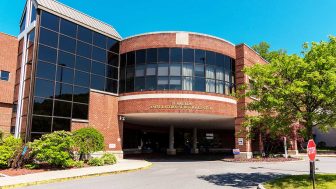
Fulton County Mental Health
73 North Main Street
Gloversville, NY 12078
 Sponsored
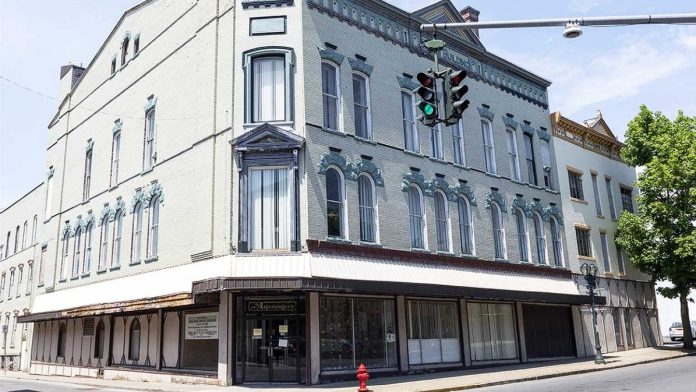
About Fulton County Mental Health
Fulton County Behavioral Health Services provides a variety of substance use disorder treatments as well as behavioral health therapeutic services for people in Gloversville, New York. Help can be accessed on an outpatient basis with a step down approach to help guide people through their recovery journey. This facility also focuses on dual diagnosis care, which is an essential feature as unmanaged mental illness can often be a trigger for addiction.
Graduated Outpatient Care
Addiction doesn’t look the same for everyone which is why I appreciate that Saint Mary’s provides a multi pronged approach. They focus mainly on mental health services, but they also provide referrals for more acute cases and levels of care.
After School and Social Programs
The Gloverville location also has outreach programs for several nearby sites. They run a summer school program for kids as young as pre-school age to help youngsters avoid risks and improve their health and socialization skills. There’s also an after-school program to help kids year round.
Gloverville is also home to the Leisure Lounge for older teens and adults. You can socialize, find advocates, and receive information about local and federal programs. There are also opportunities to mix with peers and share your experiences.
Comprehensive Therapeutic Support
You can access a range of mental health services which includes motivational interviewing, trauma-related counseling, 12 step facilitation, anger management and even relapse prevention.
Outside of the center, they’re in a suburban and metropolitan area with lots to do between sessions. Feel free to head over to Wendell Park to unwind and relax.
Addiction Treatment Programs
A quality adult program in New York provides a combination of medical, mental, and emotional support to treat the whole individual. Various methods are used to help adults achieve and maintain sobriety.
To address the full range of issues involved in alcohol use disorder, an alcohol rehab in New York often incorporates a variety of treatment methods. Physical activity, nutrition, psychotherapy, and support groups are common aspects of treatment.
Cognitive behavioral therapy in New York emphasizes how thoughts affect mood. It is a goal-oriented method that teaches participants how to address dysfunctional thoughts and underlying beliefs that can lead to substance abuse and addiction.
When you choose drug rehab in New York, you’ll participate in a variety of treatments that are designed to help you live a drug-free lifestyle. Common methods of treatment include group, individual, and family counseling, medication management, nutrition, exercise, and management of co-occurring mental health disorders.
Some men benefit most from men’s rehab in New York. These programs understand the unique challenges that men face when struggling with addiction, and they offer personalized treatment to address these challenges.
During elderly rehab in New York, you’ll participate in a variety of therapies, including individual, group, and family. Common methods include cognitive behavioral therapy, 12-step methods, and case management, all with a focus on age-specific needs.
Men and women face different issues when it comes to addiction and recovery. Women’s rehab in New York offers treatment approaches that address life issues that are specific to women.
While at a young adult program in New York, young people can participate in activities and therapy sessions that cater to their age bracket. They can also form relationships with other young adults for mutual support.
Levels of Care
For those who require accountability but less intensive oversight, outpatient rehab in New York is a good option. During this treatment, you meet regularly with a counselor and attend support group meetings, for accountability and encouragement. This may last for a few weeks or months, based on your recovery journey.
Mental health disorders that co-occur with substance abuse disorders often cause relapse. For successful recovery, both disorders must be treated, with dual diagnosis treatment in New York. Common methods include cognitive-behavioral therapy, medication management, and counseling.
Contact Information


 Sponsored