Freeman Recovery Center
 Sponsored

About Freeman Recovery Center
Freeman Recovery Center is an addiction treatment center in Dickson, Tennessee offering structured outpatient care for adults facing substance use and co-occurring mental health conditions.
The Dickson location provides partial hospitalization, intensive outpatient and standard outpatient treatment delivered by licensed clinicians using trauma informed care.
I want to point out that clients often praise the caring staff, supportive counseling and practical help throughout treatment.
What kinds of treatment are offered?
The Dickson site provides PHP, IOP and outpatient treatment for substance use and dual diagnosis needs.
Therapies include therapy, addiction counseling and cognitive behavioral therapy, dialectical behavior therapy, EMDR and trauma therapy.
As part of a larger continuum, clients can also step up to detox or residential care at affiliated facilities.
Who can get help here?
The Dickson location serves adults living with addiction and co-occurring conditions such as depression and anxiety, PTSD, bipolar disorder and trauma related concerns.
The broader program offers specialty tracks for men and women, veterans and couples, LGBTQA+ clients and professionals.
Where is the center located?
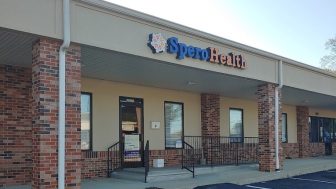
Freeman Recovery Center is at 250 State Street in the heart of Dickson, Tennessee just outside Nashville. I appreciate that both in person and virtual options are available, with weekday hours from 8 am to 9 pm.
Do you accept insurance?
Most insurance plans are accepted including Aetna and Blue Cross Blue Shield, Cigna and TRICARE, UnitedHealthcare and Medicaid/TennCare. Sliding scale, private pay and free same day insurance verification are also available.
Amenities
Art and music are mediums that connect with our feelings, making them a great recovery tool during addiction treatment. Studies show that combining art/music and drug rehab can have a greater therapeutic impact than drug rehab alone, as you’re able to access parts of your brain and body that you may not have access to during traditional talk therapy. Benefits of art/music therapy include lowering stress and anxiety, promoting healthy neurochemicals, and providing stress relief.
When paired with cognitive-behavioral therapy, exercise can be an effective tool for overcoming addiction. Drug rehabs with a gym offer clients healthy ways to increase energy levels, balance the body’s stress hormone levels, and aid in the brain’s healing process.
Hiking is a great way to relieve stress, get perspective, navigate challenges, connect with nature, and improve your health - all essential components of sustaining long-term recovery. Studies also show that the body releases endorphins during physical activities like hiking. These endorphins improve mood and act as a natural pain reliever.
Luxury rehab is a form of treatment offered in a residential, resort-style setting. You’ll receive personalized treatment from staff and clinicians, have access to forms of treatment that go beyond what a typical inpatient rehab offers, and offer specific amenities like ocean views, large single occupancy bedrooms with private baths, and complementary spa treatments like massage, acupuncture, or reiki. Most luxury rehab centers have a limited number of beds.
Yoga and meditation are great activities to support your recovery process during alcohol or drug rehab. These therapies have been around for centuries, and they are an effective way to improve well-being. Combining addiction treatment, yoga, and meditation can reduce cravings, improve sleep, relieve anxiety and depression, provide stress relief, promote relaxation, support emotional healing, and improve energy levels.
Music can be extremely therapeutic, serving as a valuable healing tool and an integrative feature of a holistic treatment plan. A music room offers a large number of outlets, including singing, playing musical instruments, and listening to music.
Private drug rehab provides a comfortable, secure environment that allows you to focus on doing the work to get your life back on track. Benefits include a higher staff-to-client ratio, increased one-on-one time with therapists and healthcare providers, private rooms for clients, and customized forms of therapy.
Recreational therapy uniquely combines therapeutic interventions with an activity, like horse-riding, hiking, wilderness therapy, basketball, tennis, or a full workout. Benefits of recreational therapy include providing a healthy way to work through the emotions of recovery, learning to build and maintain relationships, improving communication skills, and building self-esteem.
Addiction Treatment Programs
A young adult program in Tennessee helps participants overcome the effects of substance use on the developing brain. Participants build positive peer relationships, learn how to manage stress without drugs or alcohol, and develop tools for resolving trauma and setting boundaries.
An adult program in Tennessee helps individuals reclaim their lives from addiction. Through various treatment methods, adults learn how to end their dependence on substances and live a drug-free lifestyle.
An alcohol rehab in Tennessee provides treatment to break free from alcohol addiction. Methods typically combine counseling, group support, and behavioral therapy, with alcohol abstinence and long-term sobriety as the goals.
Men’s rehab in Tennessee addresses the different life experiences and genetic factors that shape how men are affected by addiction. By doing so, this type of treatment can be most effective for men who are struggling with substance use.
The main goal of women’s rehab in Tennessee is to provide a comfortable setting where women can focus on recovery. This environment helps women in treatment nurture their body, mind, and spirit without distractions.
Opioid rehab in Tennessee helps you overcome your addiction to opioids. Programs typically include detoxification, medication assisted treatment, and counseling. Detox helps you safely manage withdrawal. Counseling helps you explore the reasons behind your addiction and learn skills to overcome it.
Therapists and clients work collaboratively during cognitive behavioral therapy in Tennessee to develop strategies for problem solving and changing behaviors. This solution-based therapy helps change thinking and behavior patterns that lead to addiction.
Drug rehab in Tennessee prepares you to start life anew with the right tools to maintain sobriety. You’ll learn how to manage stress, adopt healthy lifestyle habits, and prevent relapse. This is typically accomplished through counseling, medication, and evidence-based therapies.
Levels of Care
Typically, drug rehab in Tennessee begins with a detox program.. This is the process of slowly and safely purging all addictive substances from your system. Detox may take a couple of days to a week, depending on your personal history and drug of choice. .
If you choose inpatient drug rehab in Tennessee, you live at the facility while receiving treatment. You’ll have 24/7 supervised clincial care while also receiving group and individual counseling and other forms of therapy.
Tennessee's partial hospitalization programs (PHPs) are an effective addiction treatment option for people who have either completed an inpatient program or cannot commit to inpatient rehab. A PHP offers recovery services several hours a day for five to seven days a week, then clients are able to return home.
Those who are coping well with reentry into society while sober are good candidates for outpatient rehab in Tennessee. This program involves attending multiple on-site sessions per week to provide accountability and support. Treatment lasts as long as you need it to, as it's based on your recovery progression.
Substance abuse disorders are often accompanied by mental health issues such as depression, bipolar disorder, or ADHD. In these cases, dual diagnosis treatment in Tennessee offers integrated treatment to effectively treat both co-occurring disorders.
Sober living in Tennessee provides a structured environment with strict substance use policies that can help you learn to live a sober lifestyle. This intermediate step often helps people successfully transition from rehab treatment to independent living. An average stay is five to eight months.
Accreditations
Contact Information


 Sponsored
Natalie is a recent graduate of Purdue University, where she studied psychology and creative writing. Every morning, she’s fueled by a cup of tea and her passion for making sure mental health resources are accessible to everyone. In her spare time, she loves writing poetry by her window, where she can watch the sunrise.
Rehabs.org regularly reviews this listing for accuracy but changes may occur between updates. For the most up-to-date information, please contact Freeman Recovery Center.