Franklin Street Community Health Center
 Sponsored
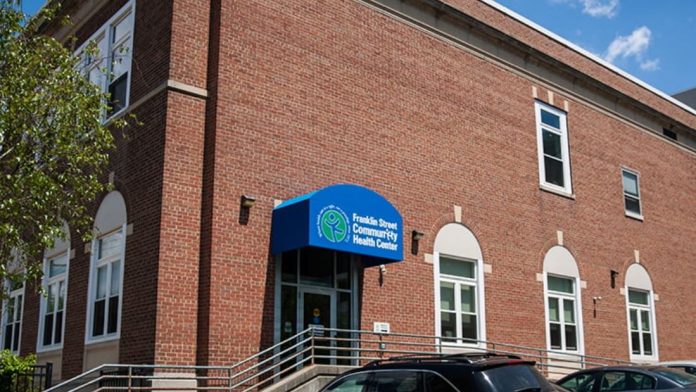
About Franklin Street Community Health Center
Franklin Street Community Health Center is a substance use treatment program in Stamford, Connecticut offering integrated outpatient care as part of Community Health Center, Inc. which is a statewide community health network.
The program emphasizes evidence based and trauma informed care with long term continuity for clients and families.
Integrated Addiction Treatment and Primary Care
I found the center addresses substance use alongside primary care and behavioral health services. Patients can access counseling with medication assisted treatment such as buprenorphine/Suboxone or naltrexone/Vivitrol offered when needed.
Clients can expect support for alcohol, opioid, nicotine, and other substance use concerns and I noted they also treat co-occurring mental health conditions.
Evidence based approaches include CBT and DBT, interpersonal therapy, and trauma informed addiction counseling available in person or through telehealth.
Quick Facts About Franklin Street Community Health Center
- Location: Franklin Street, Stamford, Connecticut, within a broader local CHC service footprint.
- Levels of care: Outpatient behavioral health and integrated substance use management.
- Who they treat: Children, adolescents, adults, and seniors, including those with co-occurring disorders.
- Approach: Trauma informed, evidence based care including CBT, DBT, and MAT.
- Payment options: Husky Health/Medicaid, Medicare, many commercial plans, and a sliding fee discount program.
- Access support: In-person and video appointments, telehealth, and an Access to Care team for insurance assistance.
Amenities
Residential drug rehab provides the comforts of home with the therapeutic support needed to successfully recover. Benefits of an inpatient program include increased safety, a higher success rate, and the time and distance given to focus on recovery. Residential drug rehabs are often the preferred method of treatment, as they can be tailored to meet specific needs, offer focused therapeutic care, and provide the necessary tools to sustain recovery.
Addiction treatment programs provide an opportunity to get your life back on track with access to school classes or college courses. Whether you want to finish your GED or go back to school to learn a new trade, facilities often enlist tutors and teachers who are certified or licensed by the state to oversee self-study or distance-learning education.
Addiction Treatment Programs
If you are looking for a young adult program in Connecticut, many options are available. Programs include inpatient, partial hospitalization programs (PHP), intensive outpatient programs (IOP), outpatient, aftercare, and dual diagnosis.
For those who have a substance use disorder, an adult program in Connecticut offers crucial support. Designed to treat individuals 18 and older, these rehab programs help adults learn how to live their lives free from dependence on substances.
Alcohol rehab in Connecticut is not a one-size-fits-all solution. That’s why a variety of programs and treatment methods are available to meet you where you are. Through personalized treatment, alcohol rehab is designed to help you achieve sobriety and maintain long-term recovery from alcohol use disorder.
Adults who attend men’s rehab in Connecticut have the opportunity to connect with other men who are struggling with similar addiction issues. This is important for recovery, as men are often more comfortable talking about their struggles with other men.
Women often find it easier to work through their addiction issues in women’s rehab in Connecticut. Surrounded by other women who understand their struggles, they can feel free to share openly and find support.
When you attend opioid rehab in Connecticut, you’re provided with the tools that are necessary to break free from opioid addiction. Treatment offers accountability, structure, and a sense of community. Methods typically include medication assisted treatment, individual therapy, and group counseling.
In Connecticut, cognitive behavioral therapy helps individuals identify impulsive thoughts and feelings of fear and self-doubt. It equips them to manage these negative thoughts and feelings without the use of substances.
For seniors who have long-term addiction struggles and for those who have developed a substance use disorder later in life, elderly rehab in Connecticut is available. Treatment focuses on the unique needs of this stage of life.
Women often find it easier to work through their addiction issues in women’s rehab in Connecticut. Surrounded by other women who understand their struggles, they can feel free to share openly and find support.
Levels of Care
Many individuals turn to outpatient rehab in Connecticut after they complete an inpatient program. This treatment is less intensive and usually involves attending several counseling sessions per week and attending a support group such as NA or AA. Outpatient rehab may be short or long-term, depending on the needs of the individual.
When you have a co-occurring disorder, you have both a substance abuse disorder and a mental health disorder. Dual diagnosis in Connecticut specializes in treating both conditions simultaneously, which is crucial for successful recovery.
Drug rehab in Connecticut typically starts with detox. This is the process of ridding your body of all addictive substances. This happens under supervision, so medical staff can treat withdrawal symptoms and help you through the process.
Accreditations
Contact Information


 Sponsored
Kimberly Hawkins holds a master’s degree in computing and information sciences from East Tennessee State University. She is a content writer specializing in alcoholism, drug addiction, and co-occurring disorders. Kimberly has been passionate about the subject of addiction since her only sibling passed away due to an accidental overdose. Her other interests include playing the piano, being in tranquil natural environments, and spending time with her adult children.
Rehabs.org regularly reviews this listing for accuracy but changes may occur between updates. For the most up-to-date information, please contact Franklin Street Community Health Center.