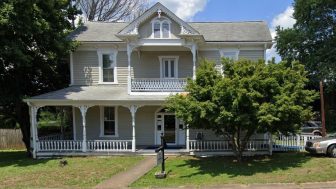
Focus Behavioral Health Services
 Sponsored
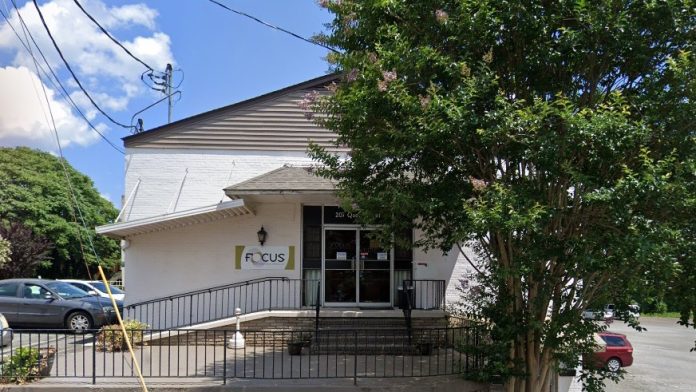
About Focus Behavioral Health Services
Focus Behavioral Health Services is a youth focused behavioral health provider in Morganton, North Carolina offering a continuum of care for children, adolescents and families facing emotional, behavioral and substance use challenges.
The organization provides day treatment and outpatient clinical services, intensive in home support and residential programming designed to help young people stabilize and succeed at home, in school, and in the community.
With a family centered approach, I think it's important how Focus Behavioral Health Services addresses a wide range of issues including substance abuse and trauma, anger management and behavioral disorders.
Behavioral Health Programs
Young clients can access day treatment services that combine educational support with therapeutic programming, delivered in partnership with local schools. Outpatient services include individual therapy, family therapy and group counseling, psychiatric assessment and medication management, all tailored to each youth's needs.
For adolescents requiring higher levels of support, I want to note that the organization offers intensive in home services with 24/7 crisis availability and residential treatment for high risk adolescent males. Programming uses a cognitive behavioral model, structured phases and family involvement to support lasting behavioral change and community reintegration.
Key Features
- Location: Morganton, North Carolina with additional program sites across the state
- Levels of care: Day treatment and outpatient therapy, intensive in home services and Level II/III residential programs
- Who they serve: Children and adolescents with emotional, behavioral and substance use challenges; specialized residential track for adolescent males
- Treatment approach: Cognitive behavioral therapy and family involvement, trauma informed care and equine assisted learning
- Service model: School partnered day treatment and community based intensive in home support with crisis response
Starting Care
Families interested in services can contact Focus Behavioral Health Services for an assessment and treatment planning consultation. The clinical team will discuss program options, eligibility and which level of care best fits the young person's needs.
Amenities
Private drug rehab provides a comfortable, secure environment that allows you to focus on doing the work to get your life back on track. Benefits include a higher staff-to-client ratio, increased one-on-one time with therapists and healthcare providers, private rooms for clients, and customized forms of therapy.
Residential drug rehab provides the comforts of home with the therapeutic support needed to successfully recover. Benefits of an inpatient program include increased safety, a higher success rate, and the time and distance given to focus on recovery. Residential drug rehabs are often the preferred method of treatment, as they can be tailored to meet specific needs, offer focused therapeutic care, and provide the necessary tools to sustain recovery.
In order to maintain a sense of autonomy, many private rehab facilities offer clients the ability to choose their own private rooms. The privacy and personal space ensure that the recovery process is as comfortable as possible.
Addiction Treatment Programs
When individuals participate in a young adult program in North Carolina, they feel more at ease in a setting that is age-appropriate. Activities, therapies, and aesthetics are all tailored for this age group, so participants can feel comfortable and are more likely to complete the program.
Men’s rehab in North Carolina offers customized treatment for men. These programs provide personalized treatment that is designed with the unique needs of men in mind.
Women’s rehab in North Carolina allows women to receive gender-specific treatment tailored to their needs. Programs are available for alcohol, heroin, prescription drugs, benzos, and any other addictive substances, as well as co-occurring disorders.
Many therapists use cognitive behavioral therapy in North Carolina to treat substance use disorders. This goal-oriented method addresses maladaptive thinking and related beliefs that affect behaviors and can lead to addiction.
Women’s rehab in North Carolina allows women to receive gender-specific treatment tailored to their needs. Programs are available for alcohol, heroin, prescription drugs, benzos, and any other addictive substances, as well as co-occurring disorders.
The goal of rational emotive behavioral therapy in North Carolina is to help you develop healthy emotional, behavioral, and cognitive patterns so you can increase your quality of life and achieve sobriety goals. This is accomplished by increasing healthy, rational beliefs.
Animal & equine therapy are evidence-based complementary therapies drawing on the emotional, psychological, and physiological benefits of regular contact with animals. Addiction recovery programs may incorporate the care of therapy dogs, cats, horses, and other animals into their treatment model to support clients’ development of recovery-focused life skills, including personal responsibility, time management, and empathy. Contact with therapy animals may reduce stress, enhance mood, decrease depression and anxiety, and increase clients’ self-esteem and sense of wellbeing.
Levels of Care
Outpatient rehab in North Carolina is often the next step for those who complete an inpatient program. This less restrictive treatment involves several hours of therapy per week, and accountability through 12-step meetings such as AA. You’ll continue this treatment as long as needed, which could be weeks, months, or years.
Some of the most common co-occurring mental health disorders include anxiety, depression, and eating disorders. When these are present alongside substance use disorder, dual diagnosis treatment in North Carolina is necessary to address both conditions.
When you choose inpatient drug rehab in North Carolina, you’ll live at a rehab facility for 28 to 90 days, depending on the program. Typical methods of treatment include group and individual therapy and family counseling.
Accepted Insurance
Contact Information


 Sponsored
Natalie is a recent graduate of Purdue University, where she studied psychology and creative writing. Every morning, she’s fueled by a cup of tea and her passion for making sure mental health resources are accessible to everyone. In her spare time, she loves writing poetry by her window, where she can watch the sunrise.
Rehabs.org regularly reviews this listing for accuracy but changes may occur between updates. For the most up-to-date information, please contact Focus Behavioral Health Services.