Flynn Fellowship Home
311 South Marietta Street
Gastonia, NC 28052
 Sponsored
About Flynn Fellowship Home
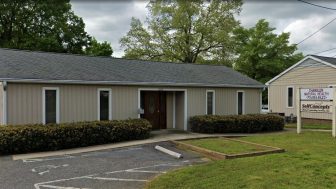
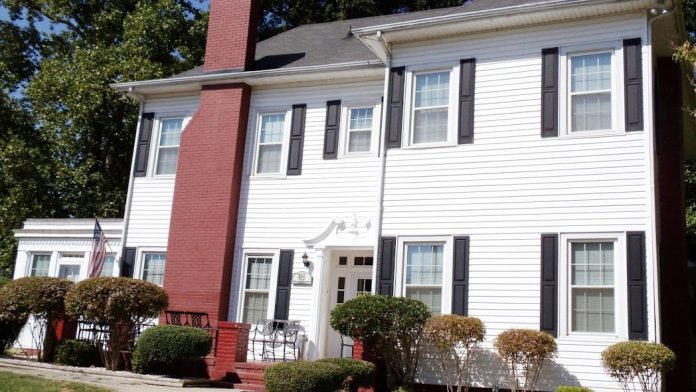
Flynn Fellowship Home is located on South Marietta Street in Gastonia, North Carolina. They’re located in a warm and inviting, home-like setting with onsite parking. Flynn is also close to Rankin Lake Park, several hotels, The Schiele Museum of Natural History & Planetarium as well as several restaurants. They’ve been providing behavioral health services since 1966 to the community of Gastonia.
Adult Men Recover in Safe & Supportive Home-Like Environment
Their services are offered to adult men seeking recovery care in a safe, structured and supportive environment. While staying at Flynn, clients attend therapy sessions at their affiliate counseling program, Phoenix Counseling, for several months during your stay. At Flynn, you’ll attend daily programs and participate in structured activities that emphasize accountability, while helping you build the life skills to garner independence.
Comfortable Bedrooms with Healthy Daily Meals Provided
At Flynn, you can expect clean and comfortable bedrooms, with healthy daily meals prepared in a supportive environment where engaging with your peers is encouraged. Everything relating to Flynn is in place to help you achieve lasting sobriety and independence once you complete the program.
Assistance with Securing Employment Through the Community
The staff also assists with helping residents secure employment through community programs and referrals. They are focused on providing a clear path for you to comfortably reintegrate into the community.
Each participant at Flynn is expected to stay for a total of one year. While in the home, the guys participate in regular programs that meet on a daily schedule in order to support recovery and ability to accept accountability. At Flynn, they expect every participant to be fully committed to their sobriety and will provide you with the right tools in order to accomplish that life-long task.
Amenities
Private drug rehab provides a comfortable, secure environment that allows you to focus on doing the work to get your life back on track. Benefits include a higher staff-to-client ratio, increased one-on-one time with therapists and healthcare providers, private rooms for clients, and customized forms of therapy.
Residential drug rehab provides the comforts of home with the therapeutic support needed to successfully recover. Benefits of an inpatient program include increased safety, a higher success rate, and the time and distance given to focus on recovery. Residential drug rehabs are often the preferred method of treatment, as they can be tailored to meet specific needs, offer focused therapeutic care, and provide the necessary tools to sustain recovery.
In order to maintain a sense of autonomy, many private rehab facilities offer clients the ability to choose their own private rooms. The privacy and personal space ensure that the recovery process is as comfortable as possible.
Addiction Treatment Programs
When individuals participate in a young adult program in North Carolina, they feel more at ease in a setting that is age-appropriate. Activities, therapies, and aesthetics are all tailored for this age group, so participants can feel comfortable and are more likely to complete the program.
An adult program in North Carolina typically combines individual and group counseling, medical treatment, and various other therapies to treat substance use disorders. Treatment can take place in an inpatient or outpatient setting.
Alcohol rehab in North Carolina is a course of treatments that helps participants overcome alcohol dependency. Treatments address physical, mental, and emotional aspects of substance use disorder and help the individual develop healthy habits for long-term recovery.
Men’s rehab in North Carolina offers customized treatment for men. These programs provide personalized treatment that is designed with the unique needs of men in mind.
Women’s rehab in North Carolina allows women to receive gender-specific treatment tailored to their needs. Programs are available for alcohol, heroin, prescription drugs, benzos, and any other addictive substances, as well as co-occurring disorders.
Many therapists use cognitive behavioral therapy in North Carolina to treat substance use disorders. This goal-oriented method addresses maladaptive thinking and related beliefs that affect behaviors and can lead to addiction.
There are many types of drug rehab in North Carolina. To receive treatment for addiction, you can choose from many inpatient and outpatient programs. Often, participants start with detox and work through a full continuum of care that continues with ongoing support for long-term recovery.
Elderly rehab in North Carolina provides specialized treatment for addiction among adults ages 55 and older or 65 and older. This treatment typically addresses dual diagnosis, substance use disorder, and age-specific concerns of seniors.
Levels of Care
When you choose inpatient drug rehab in North Carolina, you’ll live at a rehab facility for 28 to 90 days, depending on the program. Typical methods of treatment include group and individual therapy and family counseling.
Some of the most common co-occurring mental health disorders include anxiety, depression, and eating disorders. When these are present alongside substance use disorder, dual diagnosis treatment in North Carolina is necessary to address both conditions.
Many people find that a few months in North Carolina sober living after rehab treatment gives them a good foundation for long-term recovery. The average stay at a sober living home is five to eight months, but you get to decide when you are ready to live on your own.
Recovery journeys often begin with intervention services in North Carolina. This treatment tool provides key support in planning and facilitating an effective intervention. Intervention specialists can also provide resources to develop treatment plans and guide families through the admission process.
Contact Information


 Sponsored