First Step Farms Private
200 Pete Luther Rd
Candler, NC 28715
 Sponsored
About First Step Farms Private
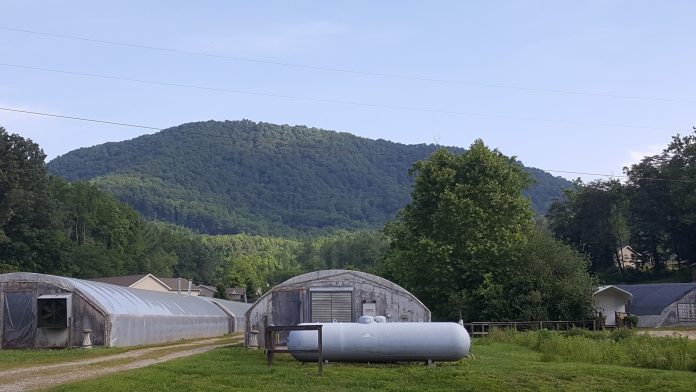
First Step Farm’s Women’s Facility provides drug abuse treatment for adults. You’ll find ‘em in Candler, North Carolina. Their gender-specific program is located on 32 acres of land where guests can focus on recovery without outside distractions. The scenic mountain views encourage sobriety and relaxation.
Their unique program provides an alternative to typical residential care. They want guests to work on determination and effort to break free from addiction. The team at First Step Farm helps guests restore their self-respect and understand the root cause of their substance use.
Residents build confidence in themselves and their abilities. The team will assist with improving vocational skills, health and well-being, and social interactions. They rely heavily on the 12-step principles, which help with accountability and responsibility for your actions and sobriety.
You’ll attend individual and group counseling sessions. In both programs, you’ll have a chance to tackle the underlying causes of your addictions while finding new ways to cope and build a healthier new you. In groups, you’ll also have a chance to build a network of support that’ll stay with you when you graduate.
Case management support is available to help connect you with additional tools and resources to help with your recovery. They can also monitor your progress throughout the program to ensure the most comprehensive treatment.
The person-centered treatment plan may include work therapy, where you can get paid and learn a new skill set. It can help you remain active and abstain from substances. The goal is to allow a streamlined transition into your community after treatment as a productive member.
Amenities
Residential drug rehab provides the comforts of home with the therapeutic support needed to successfully recover. Benefits of an inpatient program include increased safety, a higher success rate, and the time and distance given to focus on recovery. Residential drug rehabs are often the preferred method of treatment, as they can be tailored to meet specific needs, offer focused therapeutic care, and provide the necessary tools to sustain recovery.
There are many pathways to recovery and some journeys take a more labor-intensive approach, by attending a farm-based drug rehab. Farm life has many parallels with recovery: it requires constant tending, nurturing, and creating the conditions necessary to thrive. The benefits of a farm program include learning new skills, building a recovery community, peer support, and contributing to a greater ecosystem.
Addiction Treatment Programs
An adult program in North Carolina typically combines individual and group counseling, medical treatment, and various other therapies to treat substance use disorders. Treatment can take place in an inpatient or outpatient setting.
Alcohol rehab in North Carolina is a course of treatments that helps participants overcome alcohol dependency. Treatments address physical, mental, and emotional aspects of substance use disorder and help the individual develop healthy habits for long-term recovery.
There are many types of drug rehab in North Carolina. To receive treatment for addiction, you can choose from many inpatient and outpatient programs. Often, participants start with detox and work through a full continuum of care that continues with ongoing support for long-term recovery.
Women’s rehab in North Carolina allows women to receive gender-specific treatment tailored to their needs. Programs are available for alcohol, heroin, prescription drugs, benzos, and any other addictive substances, as well as co-occurring disorders.
Levels of Care
When you choose inpatient drug rehab in North Carolina, you’ll live at a rehab facility for 28 to 90 days, depending on the program. Typical methods of treatment include group and individual therapy and family counseling.
Recovery journeys often begin with intervention services in North Carolina. This treatment tool provides key support in planning and facilitating an effective intervention. Intervention specialists can also provide resources to develop treatment plans and guide families through the admission process.
Contact Information


 Sponsored