Fire Mountain Programs – Closed
Closed: Please See Nearby Facilities
Estes Park, Colorado
 Sponsored
About Fire Mountain Programs – Closed
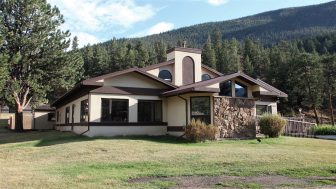
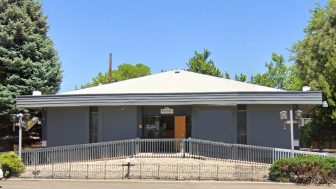
The Fire Mountain Residential Treatment Center was made to help families of adolescents (ages 12 through 17) with several issues, including mental health and substance abuse. They were located in Estes Park, Colorado, but have since ceased operations. However, you can still find other rehabilitation programs in the area just as suited to your needs.
Where this location excelled was in its family involvement. While it’s a normal part of substance use disorder treatment, family involvement is especially important for teens, who rely on family support more often than adults.
Treatment and Preparation
Something about this and similar programs I liked is the two pronged approach of treatment and preparation. They addressed the symptoms of drug and alcohol abuse through time tested therapeutic approaches, but at the same time, they helped each client develop the skills they need to thrive wherever they are in life. This included things like professional training and education support, which can help keep your teen on track to meet life goals.
Hands on Recovery
I think this program also excelled with experiential therapies. These therapies were built around physical experiences, like yoga or art, rather than traditional talk therapy. Of course, they can (and often are) used in conjunction with talk therapy, which created a more engaging experience for those involved.
If you choose another facility in Estes Park as your recovery and sobriety home, you can carry that feeling of involvement from experiential therapy with you into sobriety. The area has no shortage of outdoor activity spaces thanks to its connection with the Rocky Mountain National Park.
Amenities
Art and music are mediums that connect with our feelings, making them a great recovery tool during addiction treatment. Studies show that combining art/music and drug rehab can have a greater therapeutic impact than drug rehab alone, as you’re able to access parts of your brain and body that you may not have access to during traditional talk therapy. Benefits of art/music therapy include lowering stress and anxiety, promoting healthy neurochemicals, and providing stress relief.
Business centers are a preferred amenity in many mental health and addiction recovery facilities and typically feature secure, high-speed internet, computer stations, printers, and related business technologies. Business centers are designed to enable professionals and students to continue to participate in work or school activities without leaving the treatment facility.
Addiction treatment programs provide an opportunity to get your life back on track with access to school classes or college courses. Whether you want to finish your GED or go back to school to learn a new trade, facilities often enlist tutors and teachers who are certified or licensed by the state to oversee self-study or distance-learning education.
Hiking is a great way to relieve stress, get perspective, navigate challenges, connect with nature, and improve your health - all essential components of sustaining long-term recovery. Studies also show that the body releases endorphins during physical activities like hiking. These endorphins improve mood and act as a natural pain reliever.
Yoga and meditation are great activities to support your recovery process during alcohol or drug rehab. These therapies have been around for centuries, and they are an effective way to improve well-being. Combining addiction treatment, yoga, and meditation can reduce cravings, improve sleep, relieve anxiety and depression, provide stress relief, promote relaxation, support emotional healing, and improve energy levels.
Rehabs that offer mountain views provide beautiful spaces for clients to explore, de-stress, and take part in outdoor or wilderness therapy programs. The mountain surroundings can be a great help to the recovery process, as sobriety may be better achieved while surrounded by a serene setting in nature.
Music can be extremely therapeutic, serving as a valuable healing tool and an integrative feature of a holistic treatment plan. A music room offers a large number of outlets, including singing, playing musical instruments, and listening to music.
Private drug rehab provides a comfortable, secure environment that allows you to focus on doing the work to get your life back on track. Benefits include a higher staff-to-client ratio, increased one-on-one time with therapists and healthcare providers, private rooms for clients, and customized forms of therapy.
Recreational therapy uniquely combines therapeutic interventions with an activity, like horse-riding, hiking, wilderness therapy, basketball, tennis, or a full workout. Benefits of recreational therapy include providing a healthy way to work through the emotions of recovery, learning to build and maintain relationships, improving communication skills, and building self-esteem.
Wilderness rehab programs offer all the benefits of a traditional drug rehab, but with the added benefits of outdoor adventure. Venture out into the forest to learn new skills, explore the beauty of nature, and relieve stress. Engaging in wilderness activities is a great way to gain self-discovery and release negative emotions.
Treatment centers with a yoga studio offer a special form of holistic therapy during the recovery process. Yoga boosts mindfulness, a sense of calm, and healthy reflection during drug rehab via breathing exercises, stretching, and a progression of specific postures.
Addiction Treatment Programs
Alcohol rehab in Colorado provides a crucial support system that sees you through challenges and helps you come out victorious on the other side. Treatment helps individuals come to terms with alcohol abuse issues and learn how to overcome them.
Cognitive behavioral therapy in Colorado helps a person understand why they act and feel certain ways and how their behavior can lead to substance abuse. This treatment method equips participants with ways to manage these thoughts and feelings and overcome addiction.
EMDR Therapy is a neurobiological treatment modality used to address trauma disorders and related mental and behavioral health challenges. Short for eye movement desensitization and reprocessing, EMDR is designed to help clients cope with distressing memories and emotions, including fear, sadness, and anger. EMDR may help clients in addiction recovery manage the psychological and emotional triggers that contribute to substance misuse and/or addiction relapse.
Fitness therapy is an evidence-based complementary approach to addiction recovery and mental health care. Based on mounting scientific evidence of the benefits of physical activity in improving mood, enhancing clients’ sense of wellbeing, and decreasing depression and anxiety, fitness therapy encompasses a wide spectrum of intensities, from gentle yoga, qigong, and tai chi to weight training, kickboxing, and other highly physical activities.
Women’s rehab in Colorado takes a unique approach to treatment that addresses women’s perspectives. Treatment allows women to explore traumas that may have contributed to their substance use disorder and find support among other women.
Men’s rehab in Colorado focuses on the needs of men, including the unique ways they respond to addiction and addiction treatment. These programs allow men to process emotions and connect with other men who have similar struggles.
Opioid rehab in Colorado connects you with the tools and resources you need to overcome opioid use disorder and prevent relapse. Treatment provides structure, accountability, improved health, and community support through a variety of evidence-based methods.
Women’s rehab in Colorado takes a unique approach to treatment that addresses women’s perspectives. Treatment allows women to explore traumas that may have contributed to their substance use disorder and find support among other women.
Each young adult program in Colorado is unique, but most offer evidence-based treatment methods while focusing on the young-adult stage of life. Common methods include cognitive behavioral therapy, group and individual therapy, family therapy, relapse prevention, and dual diagnosis therapy.
Levels of Care
Residential or inpatient rehab in Colorado is the most intensive treatment setting, offering medication management, individual and family therapy, and verious forms of evidence-based or holistic therapy. Clients live at the facility while receiving treatment.
A Colorado aftercare rehab program provides continued support such as counseling, career guidance, and budgeting assistance. The goal is to give you the support you need to prevent relapse. Some people remain in aftercare for a few weeks or months, while others continue for a year or more.
Many people who struggle with a substance abuse disorder also have a mental health disorder. In these situations, Colorado dual diagnosis treatment is essential, for treating both disorders simultaneously.
Many families find that intervention services offer valuable tools that help encourage their loved ones to enter addiction treatment. Professional staff can help plan and facilitate interventions, provide resources to create treatment plans, and assist with admittance to a drug rehab in Colorado.
Accreditations
Accepted Insurance