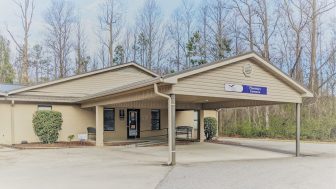
Family First Support Center
110 SW Center St
Mount Olive, NC 28365
 Sponsored
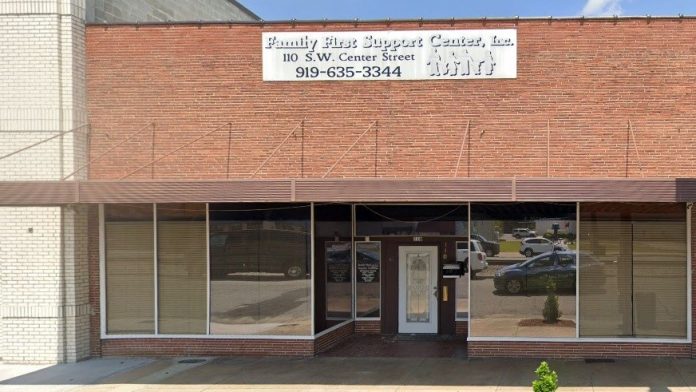
About Family First Support Center
Family First Support Center provides outpatient addiction treatment services for individuals suffering from co occurring mental health and substance use disorders. The facility is based in Mount Olive, North Carolina, within a small town offering community resources and local charm, which supports healing and integration into outpatient recovery programs.
I was impressed to see that this treatment center helps clients of all ages. They have services for kids and teens as well as adults, young adults, and seniors over 65. They also have services in English and Spanish to better serve the community.
Recovery Focused Support
All programs and treatment at Family First Support Center are recovery focused. This means that they focus on helping you build a life after addiction, not just treating the addiction itself. The support of the community and skilled staff allows patients to focus on their recovery while maintaining their sobriety and preventing relapse.
Family First Support Center trains its staff members to provide efficient and compassionate support during difficult times. Along with traditional outpatient therapy, they offer intensive outpatient programs (IOP) for those individuals who need more rigorous treatment schedules.
Specialized Dual Diagnosis Therapy
I noticed that they have a special emphasis on dual diagnosis treatment, meaning their staff specializes in treating individuals who have mental health and substance use disorders jointly.
They utilize a wide range of therapeutic approaches, including evidence based therapies such as cognitive behavioral therapy, rational emotive behavioral therapy or REBT, trauma related counseling, and the 12 steps.
Comprehensive Case Management and Vocational Help
Family First Support Center provides aftercare support to help individuals maintain their sobriety and prevent relapse. Additionally, they further provide case management services to help you establish yourself in sobriety. This includes housing services, vocational rehabilitation, and support for those dealing with internet use or gambling disorders.
Financially Accessible Treatment
Family First Support Center accepts state-financed health insurance, including Medicaid, while also accepting private health insurance. The financial department offers financial support through a sliding fee scale based on income, as well as self-payment options and cash payments.
Amenities
Private drug rehab provides a comfortable, secure environment that allows you to focus on doing the work to get your life back on track. Benefits include a higher staff-to-client ratio, increased one-on-one time with therapists and healthcare providers, private rooms for clients, and customized forms of therapy.
In order to maintain a sense of autonomy, many private rehab facilities offer clients the ability to choose their own private rooms. The privacy and personal space ensure that the recovery process is as comfortable as possible.
Addiction Treatment Programs
When individuals participate in a young adult program in North Carolina, they feel more at ease in a setting that is age-appropriate. Activities, therapies, and aesthetics are all tailored for this age group, so participants can feel comfortable and are more likely to complete the program.
An adult program in North Carolina typically combines individual and group counseling, medical treatment, and various other therapies to treat substance use disorders. Treatment can take place in an inpatient or outpatient setting.
Alcohol rehab in North Carolina is a course of treatments that helps participants overcome alcohol dependency. Treatments address physical, mental, and emotional aspects of substance use disorder and help the individual develop healthy habits for long-term recovery.
Men’s rehab in North Carolina offers customized treatment for men. These programs provide personalized treatment that is designed with the unique needs of men in mind.
Women’s rehab in North Carolina allows women to receive gender-specific treatment tailored to their needs. Programs are available for alcohol, heroin, prescription drugs, benzos, and any other addictive substances, as well as co-occurring disorders.
To overcome opioid addiction, attend opioid rehab in North Carolina. Treatment takes place in inpatient or outpatient care, using a variety of therapies, medications, and other helpful interventions. Length of treatment caries, typically lasting 30, 60, or 90 days.
Many therapists use cognitive behavioral therapy in North Carolina to treat substance use disorders. This goal-oriented method addresses maladaptive thinking and related beliefs that affect behaviors and can lead to addiction.
There are many types of drug rehab in North Carolina. To receive treatment for addiction, you can choose from many inpatient and outpatient programs. Often, participants start with detox and work through a full continuum of care that continues with ongoing support for long-term recovery.
Veteran’s rehab in North Carolina offers trauma-informed therapy from experienced mental health professionals. These programs offer a supportive and understanding environment to help Veterans recover from substance use disorders and manage co-occurring conditions.
The goal of rational emotive behavioral therapy in North Carolina is to help you develop healthy emotional, behavioral, and cognitive patterns so you can increase your quality of life and achieve sobriety goals. This is accomplished by increasing healthy, rational beliefs.
Levels of Care
Outpatient rehab in North Carolina is often the next step for those who complete an inpatient program. This less restrictive treatment involves several hours of therapy per week, and accountability through 12-step meetings such as AA. You’ll continue this treatment as long as needed, which could be weeks, months, or years.
Some of the most common co-occurring mental health disorders include anxiety, depression, and eating disorders. When these are present alongside substance use disorder, dual diagnosis treatment in North Carolina is necessary to address both conditions.
Accreditations
Accepted Insurance