WNC Counseling & DWI Assessment
747 S Haywood St
Waynesville, NC 28786
 Sponsored
About WNC Counseling & DWI Assessment
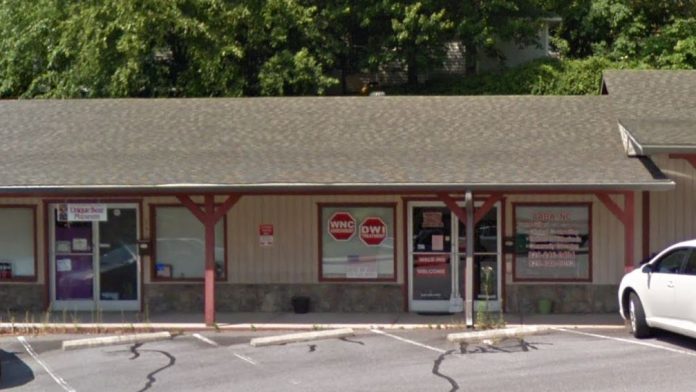
WNC Counseling and DWI Assessment is a service provided in Waynesville, North Carolina that works to help people avoid harsher penalties as a result of being charged with a DWI for drug or alcohol use. Their programs help people understand the impacts of driving under the influence and modify their behaviors in a safer way.
This family friendly designed counseling center is intended to feel welcoming, which is why it’s ideal that this facility is located near several major attractions. That includes Waynesville Recreational Park, Lake Junaluska, Blue Ridge Parkway, Downtown Waynesville, and even Great Smoky Mountains National Park.
Comprehensive Support for Vulnerable Groups
I appreciate that WNC Counseling provides a wide range of care across age groups. For example, this includes support for children with Serious Emotional Disturbance (SED) while young adults can take advantage of transitional age support.
There are also services geared towards military members, the LGBTQ+ community, people with HIV or AIDS, those suffering from PTSD, and seniors.
Helping You Overcome DWI
One of the core features at WNC Counseling is that this facility is equipped to help you get your life back on track after facing a DWI charge. This includes offering detox and treatment for people required to do so by court order. But what makes this facility ideal is that they understand how addiction can impact the entire family and as such focus on providing confidentiality while also prioritizing counseling that will help participants repair family relationships.
There’s also support for dual diagnosis care, which can be critical for people facing mental illness which can trigger or worsen addiction. WNC Counseling accepts insurance, Medicare, TriCare and state funding programs including welfare, VA, or family service funds. They also offer a sliding fee scale based on demonstrated need.
Amenities
Private drug rehab provides a comfortable, secure environment that allows you to focus on doing the work to get your life back on track. Benefits include a higher staff-to-client ratio, increased one-on-one time with therapists and healthcare providers, private rooms for clients, and customized forms of therapy.
Residential drug rehab provides the comforts of home with the therapeutic support needed to successfully recover. Benefits of an inpatient program include increased safety, a higher success rate, and the time and distance given to focus on recovery. Residential drug rehabs are often the preferred method of treatment, as they can be tailored to meet specific needs, offer focused therapeutic care, and provide the necessary tools to sustain recovery.
Addiction Treatment Programs
When individuals participate in a young adult program in North Carolina, they feel more at ease in a setting that is age-appropriate. Activities, therapies, and aesthetics are all tailored for this age group, so participants can feel comfortable and are more likely to complete the program.
An adult program in North Carolina typically combines individual and group counseling, medical treatment, and various other therapies to treat substance use disorders. Treatment can take place in an inpatient or outpatient setting.
Men’s rehab in North Carolina offers customized treatment for men. These programs provide personalized treatment that is designed with the unique needs of men in mind.
Women’s rehab in North Carolina allows women to receive gender-specific treatment tailored to their needs. Programs are available for alcohol, heroin, prescription drugs, benzos, and any other addictive substances, as well as co-occurring disorders.
Many therapists use cognitive behavioral therapy in North Carolina to treat substance use disorders. This goal-oriented method addresses maladaptive thinking and related beliefs that affect behaviors and can lead to addiction.
Elderly rehab in North Carolina provides specialized treatment for addiction among adults ages 55 and older or 65 and older. This treatment typically addresses dual diagnosis, substance use disorder, and age-specific concerns of seniors.
Women’s rehab in North Carolina allows women to receive gender-specific treatment tailored to their needs. Programs are available for alcohol, heroin, prescription drugs, benzos, and any other addictive substances, as well as co-occurring disorders.
Veteran’s rehab in North Carolina offers trauma-informed therapy from experienced mental health professionals. These programs offer a supportive and understanding environment to help Veterans recover from substance use disorders and manage co-occurring conditions.
The goal of rational emotive behavioral therapy in North Carolina is to help you develop healthy emotional, behavioral, and cognitive patterns so you can increase your quality of life and achieve sobriety goals. This is accomplished by increasing healthy, rational beliefs.
Levels of Care
Outpatient rehab in North Carolina is often the next step for those who complete an inpatient program. This less restrictive treatment involves several hours of therapy per week, and accountability through 12-step meetings such as AA. You’ll continue this treatment as long as needed, which could be weeks, months, or years.
Some of the most common co-occurring mental health disorders include anxiety, depression, and eating disorders. When these are present alongside substance use disorder, dual diagnosis treatment in North Carolina is necessary to address both conditions.