Fall River Comprehensive Treatment Center
22 Front Street
Fall River, MA 02721
 Sponsored
About Fall River Comprehensive Treatment Center
Behind every opioid addiction is a story of hurt and pain. At Fall River Comprehensive Treatment Center (CTC), healing begins. This outpatient opioid recovery clinic serves adults in Fall River and across Bristol County, Massachusetts, helping them lay a strong foundation for recovery through medication assisted treatment (MAT).
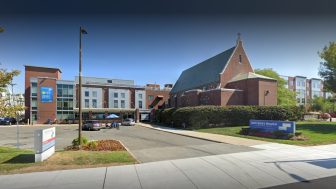
Fall River CTC is centrally located downtown along the Taunton River waterfront, just a couple of blocks from Heritage State Park and Battleship Cove. They're accessible via Interstate 195 and US Route 6. The Southeastern Regional Transit Authority provides bus services. Onsite parking is available for patients and visitors.
This clinic has an outstanding reputation for high-quality care, thanks to a compassionate team committed to helping patients heal in a safe and nonjudgmental space. One client noted, “Can't say enough good things about this place. Everyone is great.”
At Fall River CTC, you can expect to begin your healing journey promptly thanks to their same-day admission and 24/7 appointment scheduling. They also accept Medicaid, Medicare and commercial insurance. Their take-home dosing is one feature I appreciate most, as it enhances flexibility and convenience by reducing the need for daily clinic visits.
Methadone Maintenance Treatment at Fall River
MAT is an evidence-based technique that guides patients toward lasting success via MAT. It involves a personalized prescription of methadone that helps reduce withdrawal symptoms and cravings. This lets you focus on recovery without the highs and lows of opioid use.
I like that your tailored recovery plan will also involve therapy sessions to address underlying psychological issues contributing to your opioid dependence. Integrating medication and therapy helps you stay in recovery longer.
Amenities
Transportation services are designed to ensure your addiction treatment begins and ends successfully by offering free transportation to the rehab facility, to and from your appointments during rehab, and back home upon program completion.
Residential drug rehab provides the comforts of home with the therapeutic support needed to successfully recover. Benefits of an inpatient program include increased safety, a higher success rate, and the time and distance given to focus on recovery. Residential drug rehabs are often the preferred method of treatment, as they can be tailored to meet specific needs, offer focused therapeutic care, and provide the necessary tools to sustain recovery.
Drug and alcohol rehabs with a river view can help to decrease anxiety, relieve depression, and improve concentration. Being in nature can even provide health benefits for some people, including lowering blood pressure.
Addiction Treatment Programs
Each adult program in Massachusetts is designed to help individuals over the age of 18 recover from addiction to drugs or alcohol. The length of the program and its intensity varies, based on the needs of the individual.
Cognitive behavioral therapy in Massachusetts is a hands-on method that engages participants in changing their thought and behavior patterns. Rather than a talk-listen approach, individuals are actively involved in working with their therapist to treat their addiction.
LGBTQ-friendly rehab in Massachusetts offers programs targeted to the unique experiences within this diverse community. Staff specialists understand that an environment promoting acceptance makes it easier for people to open up and focus on healing.
For men who want to stop drinking or using drugs, men’s rehab in Massachusetts offers help and hope. These treatment programs, designed specifically for men, help participants recover and rebuild their lives.
When you enter opioid rehab in Massachusetts, you’ll receive treatment in a supportive environment that encourages recovery. After successful withdrawal management, you’ll participate in a variety of evidence-based therapies that prepare you for long-term sobriety.
Elderly rehab in Massachusetts addresses both addiction issues and common challenges faced by older adults. By dealing with grief, loss, social isolation, and financial uncertainty, participants are given tools to overcome addiction later in life.
Women who are seeking treatment for substance use disorders can receive various levels of care at women’s rehab in Massachusetts. Programs include detox, partial hospitalization programs (PHP), intensive outpatient programs (IOP), telehealth programs, sober living, outpatient, and aftercare.
Teen and young adult substance abuse can set individuals on a life-long path of destruction. A young adult program in Massachusetts can intervene in young adults’ lives to set them on a better path during this crucial stage of life.
Levels of Care
Massachusetts outpatient rehab does not have a defined timeline. The program is tailored to meet your recovery needs, and may last 90 days or a year or more. During this time, you will attend therapy sessions and support group meetings, for ongoing accountability and development of sober-living skills.
If you meet the diagnostic criteria for two or more conditions, you have a dual diagnosis. Massachusetts dual diagnosis treatment is designed to address both conditions simultaneously, for improved recovery outcomes.
Aftercare rehab in Massachusetts gives you continued access to support after rehab. You may need assistance with job coaching, budgeting, education, or accountability as you re-enter your life. Aftercare programs provide these supports, so you can face challenges and maintain a sober lifestyle long-term.
As the most intensive treatment setting, inpatient drug rehab in Massachusetts treatment involves 24/7 supervised care. At this level of care, you typically participate in individual, group, and family therapy sessions, and you may receive medication and additional recreational therapies.
The first step to a drug-free future is detox. This involves slowly and safely ridding your body of all addictive substances, under 24/7 supervision. This is typically the initial phase of drug rehab in Massachusetts.
You don’t have to be an expert on interventions to help an addicted loved one. Staff members offer intervention services in Massachusetts, providing support when planning and facilitating an intervention, connecting you with community resources, and helping with the development of your loved one's treatment plan.
Accreditations
Accepted Insurance













Contact Information


 Sponsored