
Authentic Recovery Center
10780 Santa Monica Blvd
Suite 240
Los Angeles, CA 90025
 Sponsored

About Authentic Recovery Center
Casa Palmera Los Angeles was formerly known as the Authentic Recovery Center (ARC). They provide adults in Los Angeles, California with residential treatment and with outpatient treatment at several LA locations. Their program addresses substance use disorders and co-occurring mental health conditions.
Healing Residential Environment
During your time in their residential program, you will receive 24/7 nursing care. You’ll participate in various forms of therapy such as individual, group and family therapy.
I like that their holistic approach integrates clinical, lifestyle and environmental elements to treat the whole person. This includes evidence based psychotherapeutic modalities and trauma informed care.
You will be able to focus on your fitness and learn stress management skills during your treatment program too. They provide a safe and supportive environment that will help you during your time in treatment.
Ancillary Services within an Intimate Setting
What stood out to me is that their intimate setting has been designed for individuals with a complex diagnosis. They are able to treat a capacity of up to 18 clients at a time, which allows for a high staff to patient ratio.
A gourmet chef will prepare your breakfast, lunch and dinner. The rooms are private and semi private.
I do like that you will be able to go on off site excursions too. You will be able to go to the movies, hiking and even have beach days with your peers.
Amenities
When paired with cognitive-behavioral therapy, exercise can be an effective tool for overcoming addiction. Drug rehabs with a gym offer clients healthy ways to increase energy levels, balance the body’s stress hormone levels, and aid in the brain’s healing process.
When it comes to addiction treatment, there are some undeniable benefits of attending a rehab with beach views. For clients who connect with the feeling of sand under their feet, the sounds of ocean waves rhythmically crashing against the shore, and the warmth of the sun on their skin, attending a rehab located on the beach offers a unique form of restoration that only nature can provide.
Recreational therapy uniquely combines therapeutic interventions with an activity, like horse-riding, hiking, wilderness therapy, basketball, tennis, or a full workout. Benefits of recreational therapy include providing a healthy way to work through the emotions of recovery, learning to build and maintain relationships, improving communication skills, and building self-esteem.
Hiking is a great way to relieve stress, get perspective, navigate challenges, connect with nature, and improve your health - all essential components of sustaining long-term recovery. Studies also show that the body releases endorphins during physical activities like hiking. These endorphins improve mood and act as a natural pain reliever.
Treatment centers with a yoga studio offer a special form of holistic therapy during the recovery process. Yoga boosts mindfulness, a sense of calm, and healthy reflection during drug rehab via breathing exercises, stretching, and a progression of specific postures.
Art and music are mediums that connect with our feelings, making them a great recovery tool during addiction treatment. Studies show that combining art/music and drug rehab can have a greater therapeutic impact than drug rehab alone, as you’re able to access parts of your brain and body that you may not have access to during traditional talk therapy. Benefits of art/music therapy include lowering stress and anxiety, promoting healthy neurochemicals, and providing stress relief.
Yoga and meditation are great activities to support your recovery process during alcohol or drug rehab. These therapies have been around for centuries, and they are an effective way to improve well-being. Combining addiction treatment, yoga, and meditation can reduce cravings, improve sleep, relieve anxiety and depression, provide stress relief, promote relaxation, support emotional healing, and improve energy levels.
Addiction Treatment Programs
When a person is struggling with addiction, their actions and emotions may not be rational. Cognitive behavioral therapy in California helps individuals understand better why they feel and act certain ways and how those emotions and actions can lead to substance abuse.
Therapists often use rational emotive behavioral therapy in California to treat addiction. The ABC (activating event, beliefs, consequences) framework is used to help participants identify irrational beliefs and reframe their thinking in healthier ways.
Assertive Community Treatment (ACT) is an integrative, community-based care strategy designed to address the needs of persons with severe and/or complex mental illness or behavioral disorders. ACT is typically provided by a multidisciplinary team of medical and mental health care providers, social workers, therapists, and other specialists, including addiction recovery professionals. These services are frequently provided in the home and community to clients in crisis, those who are clinically unstable, and those who are unable or unwilling to travel to a hospital or clinic for in-person treatment.
Drug rehab in California teaches participants constructive ways to stay clean and sober. Treatment revolves around helping individuals stop using the substance they are addicted to and learn healthy habits to avoid relapse.
Fitness therapy is an evidence-based complementary approach to addiction recovery and mental health care. Based on mounting scientific evidence of the benefits of physical activity in improving mood, enhancing clients’ sense of wellbeing, and decreasing depression and anxiety, fitness therapy encompasses a wide spectrum of intensities, from gentle yoga, qigong, and tai chi to weight training, kickboxing, and other highly physical activities.
Seniors face unique challenges that may contribute to substance use disorder and co-occurring disorders. Elderly rehab in California is designed to address these challenges to provide relevant and safe treatment for seniors.
The incidence of substance abuse and addiction is higher among the LBGTQ community. That’s why LBGTQ-friendly rehab in California is available, to offer specialized treatment that addresses the unique needs of individuals in this demographic.
An adult program in California uses various therapeutic methods to treat a person who is dependent on an addictive substance. Individuals aged 18 and older are eligible for treatment, which focuses on breaking the cycle of addiction and learning how to maintain sober living.
Alcohol rehab in California provides professional treatment to guide participants through each step of recovery. Programs offer a support system to walk you through challenges and celebrate victories with you, from detox to long-term sobriety.
Gender-specific addiction treatment programs may be more effective in treating men because they focus on unique needs of males. Men’s rehab in California is designed to help men process emotions and cope with stress in a judgment-free environment.
For those who are struggling with opioid use disorder, help is available at opioid rehab in California. This complex addiction can be treated through a combination of evidence-based therapies and medication assisted treatment.
Women’s rehab in California provides a safe environment where women can work through addiction challenges surrounded by their gender peers. This often creates an environment that is more conducive to recovery.
Typically, a young adult program in California can guide individuals from detox, through initial treatment, and extends to aftercare. Treatment gives young adults what they need to reset their lives and move to the next stage of life free from addiction.
Levels of Care
Partial hospitalization programs (PHPs) are a type of outpatient treatment program that often utilize many of the same treatment methods used for inpatient care. The difference being that you only visit the drug rehab in California during treatment times, then you can return home.
When you enter drug rehab in California, detox is the first step towards becoming drug-free. The detox process includes 24/7 monitoring and medical care and may include the use of medications to ease withdrawal symptoms.
Unlike outpatient drug rehab, clients receiving inpatient rehab in California reside at the facility for the duration of the program. The length of stay may range from two weeks to 18 months or more, depending on the client's needs and the program’s design.
When you choose outpatient rehab in California, you will meet with a counselor and attend support group meetings. The focus will be on restructuring attitudes and thoughts to reduce cravings and develop skills to prevent relapse. The length of time in outpatient rehab varies by individual, based on their recovery needs.
Community support and relationship-building are key elements of aftercare rehab in California. You’ll receive recovery coaching, social support, and mentors to help you maintain sobriety after completing initial rehab treatment. This support will continue as long as you need it, which could be weeks or more than a year.
When you have a co-occurring disorder, it is essential to treat both your addiction and the mental health disorder. California dual diagnosis treatment provides this type of multidisciplinary approach, for improved recovery outcomes.
Accreditations
Contact Information


 Sponsored
Nearby Treatment Centers
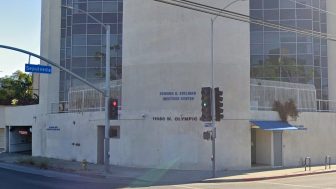
11080 West Olympic Boulevard
Los Angeles, CA 90064
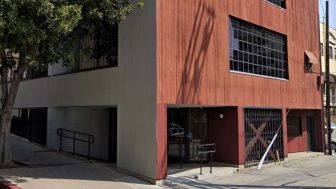
1251 Westwood Boulevard
Los Angeles, CA 90024
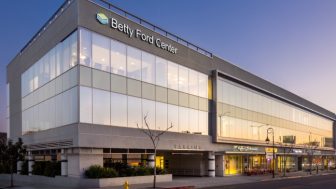
10700 Santa Monica Blvd
Suite 310
Los Angeles, CA 90025
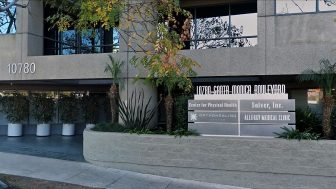
10780 Santa Monica Blvd
Suite 240
Los Angeles, CA 90025
