Public Health, Delta Menominee Counties
2920 College Avenue
Escanaba, MI 49829
 Sponsored
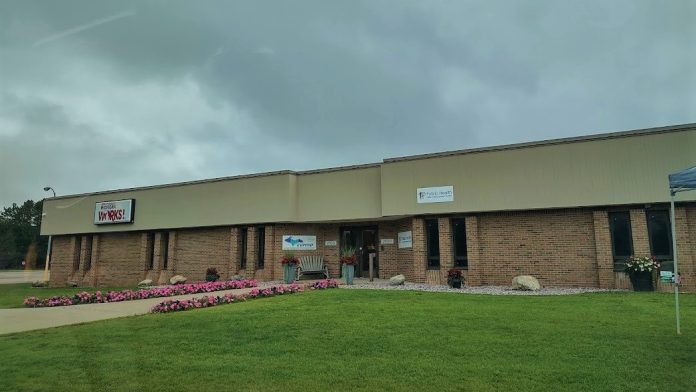
About Public Health, Delta Menominee Counties
The Public Health Department of Delta & Menominee Counties is a local government agency in Escanaba, Michigan. They provide public health services including immunizations, personal health, disease testing and prevention. Their mission is to enhance your quality of life by encouraging healthy lifestyles.
Outreaches include driver license appeal assessments, substance use assessments by request, and Naloxone (NARCAN) Training. Providers of Medicare, Medicaid and private carriers are gladly taken. Self-payment methods are accepted and they extend sliding fee scales.
New Points Syringe Service Program
Their New Points Syringe Service Program (SSP) offers harm reduction to keep you safe while you’re getting ready for recovery. Staff can help you figure out which supplies you need but you don’t have to answer any questions you don’t want to answer. Clients can bring back used syringes for disposal. Through this harm reduction service, you can also get supplies for safe sex and wound care.
Screening for Fetal Alcohol Syndrome
Alcohol use during pregnancy can disrupt healthy development for your baby. If this is a concern for you, you can receive education, training, and care with a compassionate medical provider. Referrals to other local agencies for supplemental help are also available.
Amenities
Art and music are mediums that connect with our feelings, making them a great recovery tool during addiction treatment. Studies show that combining art/music and drug rehab can have a greater therapeutic impact than drug rehab alone, as you’re able to access parts of your brain and body that you may not have access to during traditional talk therapy. Benefits of art/music therapy include lowering stress and anxiety, promoting healthy neurochemicals, and providing stress relief.
Private drug rehab provides a comfortable, secure environment that allows you to focus on doing the work to get your life back on track. Benefits include a higher staff-to-client ratio, increased one-on-one time with therapists and healthcare providers, private rooms for clients, and customized forms of therapy.
Addiction Treatment Programs
No single adult program in Michigan is right for everyone. That’s why each program is tailored to meet the needs of the individual. Common aspects to an adult rehab program include individual counseling, group therapy, and aftercare support.
The backbone of most alcohol rehab in Michigan is a combination of individual and group therapy methods. Through these sessions, individuals learn how to address issues contributing to addiction and develop healthy lifestyle habits.
During men’s rehab in Michigan, individuals spend a significant amount of time in therapy. This gender-specific treatment gives men the tools they need to cope with stress and live without drugs and alcohol.
Each opioid rehab in Michigan is unique, but most consist of several key steps: admission, detox, addiction therapy, specialized care, and aftercare. Professional staff evaluate each person’s needs to recommend treatment duration and specific therapies.
Women’s rehab in Michigan offers a full continuum of care for women seeking treatment for addiction. Programs range from intensive inpatient care to aftercare services.
A young adult program in Michigan specializes in treatment tailored to individuals in this stage of life who are suffering from substance use disorder. Treatment addresses addiction and the challenges related to young-adult life.
Levels of Care
Outpatient rehab in Michigan is tailored to each person’s recovery journey. This treatment usually involves several hours of therapy sessions each week, along with attendance at support group meetings. However, the timeline varies from a few weeks, to months, to years, based on your needs.
A dual diagnosis treatment center in Michigan allows you to get treatment for substance abuse and mental health disorders at the same time. This is critical, because untreated mental health disorders often lead to relapse and poor recovery outcomes.
Intervention services in Michigan are often key to starting the recovery process. Intervention specialists provide support to encourage your loved one to get the help they need, provide access to educational and comjunity resources, and offer assistance with developing intervention and treatment plans.
Contact Information


 Sponsored