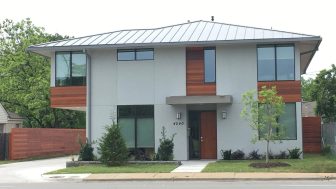
Enterhealth Outpatient Center Of Excellence
 Sponsored
About Enterhealth Outpatient Center Of Excellence
Enterhealth Outpatient Center of Excellence is a physician-led addiction treatment center in Dallas, Texas offering drug and alcohol rehab for adults in the Park Cities area. The center provides structured tiers of outpatient care within a private, boutique environment.
Built on the Enterhealth Recovery Program (ERP) model, the center integrates functional psychiatry, advanced diagnostics and personalized treatment planning to address both addiction and co-occurring mental health conditions.
Tier Care Levels
I found that treatment at Enterhealth follows a structured, tiered outpatient model which includes the Intensive Program (Tier I, 12 weeks), the Progressive Program (Tier II, 8 weeks) and the Sustaining Program (Tier III, 8 weeks). Each of these levels includes therapy and family appointments.
This continuum allows clients to step down gradually while maintaining structured clinical support throughout their recovery journey.
EMDR and Neurofeedback
I appreciate that clients may benefit from a wide range of services including family therapy, couples counseling and medication management. The center also offers innovative modalities such as EMDR, Accelerated Resolution Therapy (ART), Virtual Reality (VR) therapy, neurofeedback, Magnetic e-Resonance Therapy (MeRT) and medication-assisted treatment (MAT) to address addiction, trauma and co-occurring disorders.
These methods provide numerous avenues for clients to work through past traumas and develop healthier skills for future sobriety.
Amenities
Recreational therapy uniquely combines therapeutic interventions with an activity, like horse-riding, hiking, wilderness therapy, basketball, tennis, or a full workout. Benefits of recreational therapy include providing a healthy way to work through the emotions of recovery, learning to build and maintain relationships, improving communication skills, and building self-esteem.
Business centers are a preferred amenity in many mental health and addiction recovery facilities and typically feature secure, high-speed internet, computer stations, printers, and related business technologies. Business centers are designed to enable professionals and students to continue to participate in work or school activities without leaving the treatment facility.
Addiction treatment in the metro area benefits clients by offering seamless connections from the city, around the state, and those seeking out-of-state treatment. Another benefit of attending a metro area drug rehab is that you’re close to major airports and ground transportation services.
Private drug rehab provides a comfortable, secure environment that allows you to focus on doing the work to get your life back on track. Benefits include a higher staff-to-client ratio, increased one-on-one time with therapists and healthcare providers, private rooms for clients, and customized forms of therapy.
Acupuncture is one of the most popular luxurious and alternative therapies offered by rehabs. An acupuncture room provides benefits like pain reduction, improved sleep, a healthy immune system, and a decrease in anxiety.
The massage room offers a wealth of benefits as part of an overall evidence-based drug and alcohol recovery program. Massage therapy boosts blood flow and flushes lactic acid from the muscles, and the vascular benefits last several days after the massage.
Addiction Treatment Programs
When you enter alcohol rehab in Texas, you’ll find support systems to help you on your recovery journey. Professional counselors, physicians, and other people in recovery provide services and support to help you make changes and learn how to enjoy a sober lifestyle.
While in a drug rehab in Texas, you’ll deal with underlying issues that contribute to addiction. By addressing these challenges and learning healthy ways to cope with them, you’ll develop strategies that help you live a drug-free lifestyle.
Through therapy, counseling, and medication assisted treatment, individuals in opioid rehab in Texas gain the skills they need to live a healthier life. The goal is to help you take control of your life and prevent relapse.
The goal of a young adult program in Texas is to set young people free from the effects of addiction and give them the skills they need to successfully navigate early adulthood. This is accomplished with age-appropriate settings, therapies, and activities.
The Lone Star State offers a host of options for those in search of an adult program in Texas. From inpatient to outpatient care, adults can find a program that meets their needs for effective treatment of substance use issues.
Men’s rehab in Texas can create an environment that makes men more comfortable. Many men in Texas seek out this type of treatment for its gender-specific benefits.
Many gender-specific issues must be addressed during addiction recovery. Women’s rehab in Texas provides the appropriate support for women’s challenges such as body image, motherhood, and trauma.
Many gender-specific issues must be addressed during addiction recovery. Women’s rehab in Texas provides the appropriate support for women’s challenges such as body image, motherhood, and trauma.
EMDR Therapy is a neurobiological treatment modality used to address trauma disorders and related mental and behavioral health challenges. Short for eye movement desensitization and reprocessing, EMDR is designed to help clients cope with distressing memories and emotions, including fear, sadness, and anger. EMDR may help clients in addiction recovery manage the psychological and emotional triggers that contribute to substance misuse and/or addiction relapse.
The goals of cognitive behavioral therapy in Texas include evaluating thoughts and changing thinking patterns that are leading to substance use. This treatment helps participants understand their motives and problem-solve to work through challenges without the use of substances.
Rational emotive behavioral therapy in Texas follows a model used to guide clients to change their behaviors and achieve recovery. The model involves identifying an activating event, beliefs about that event, and how those beliefs lead to consequences.
Levels of Care
Outpatient rehab in Texas provides a means for addition treatment while you live at home. You will attend regular therapy sessions and typically maintain involvement with a 12-step program. Because it is tailored for each person’s needs, there is no set timeline for completion of outpatient rehab.
The initial weeks and months after rehab treatment are often the most difficult. Aftercare rehab in Texas is designed to help you successfully navigate these challenging times and maintain sobriety. You’ll receive emotional, mental, and practical supports, for up to a year or more after treatment.
A dual diagnosis treatment center in Texas provides programs for people who struggle with both substance abuse and mental illness. Treating both disorders through an integrated approach is essential for recovery.
Detox in Texas is your first step toward a drug-free future. During this phase, your systems are cleansed of all addictive substances. You’ll receive 24/7 care, which may include medication to alleviate withdrawal symptoms.
A valuable tool for drug rehab in Texas is intervention services. This treatment tool provides education and resources on how to stage an effective intervention as well as professional assistance with facilitating the intervention. Staff then follow up with support to develop an effective treatment plan.
Accreditations
Staff
Contact Information


 Sponsored
Patti Croft is a full-time writer who writes about accessing effective addiction treatment during the day but is also pursuing her dream of penning a novel in her spare time. She enjoys copious amounts of coffee as creative fuel and sharing an office with her adorable cat, Beau. Her background is in healthcare management, and she is a passionate advocate for mental health and addiction care.
Rehabs.org regularly reviews this listing for accuracy but changes may occur between updates. For the most up-to-date information, please contact Enterhealth Outpatient Center Of Excellence.