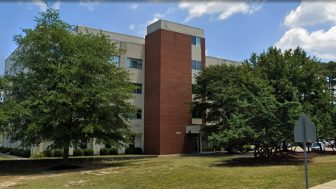
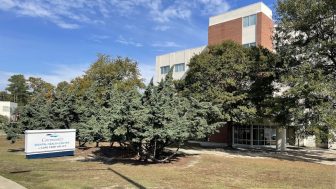
Eleanor Health
Closed: Please See Nearby Facilities
Fayetteville, North Carolina
 Sponsored
About Eleanor Health
Eleanor Health in Fayetteville, North Carolina was an outpatient addiction treatment center offering substance use and co-occurring mental health care for adults and young adults.
Services included regular outpatient treatment, outpatient detox, medication assisted treatment and counseling, peer support and telehealth therapy.
I liked that Eleanor Health followed a whole person, harm reduction approach that builds care around each member's self defined recovery goals.
Outpatient Addiction Programs
Care typically began with a comprehensive mental health and substance use assessment, which included a medical history, screenings and drug testing.
From there, members could access outpatient treatment for opioid and alcohol, methamphetamine and prescription drug use disorders with optional group sessions and family involvement when it supported recovery.
I wanted to note that members could have expected a blend of cognitive behavioral therapy, motivational interviewing and contingency management, trauma related counseling and relapse prevention.
Medication options included buprenorphine, Suboxone, naltrexone/Vivitrol, acamprosate and disulfiram alongside recovery coaching, case management and overdose education.
Quick Facts
- Location: 2919 Breezewood Ave in Fayetteville, NC
- Levels of care: Outpatient treatment, outpatient detox, MAT and telehealth therapy
- Who they treat: Adults and young adults including pregnant and postpartum women and LGBTQ+ clients with co-occurring disorder care
- Approach: Harm reduction, whole person care combining medication, counseling and peer support
- Payment options: Medicare, Medicaid, most major insurance, self pay and sliding fee scale
- Support services: Recovery coaching, housing and employment assistance, transportation and naloxone education
- Aftercare: Continuing care, discharge planning and ongoing peer support
Addiction Treatment Programs
When individuals participate in a young adult program in North Carolina, they feel more at ease in a setting that is age-appropriate. Activities, therapies, and aesthetics are all tailored for this age group, so participants can feel comfortable and are more likely to complete the program.
An adult program in North Carolina typically combines individual and group counseling, medical treatment, and various other therapies to treat substance use disorders. Treatment can take place in an inpatient or outpatient setting.
Alcohol rehab in North Carolina is a course of treatments that helps participants overcome alcohol dependency. Treatments address physical, mental, and emotional aspects of substance use disorder and help the individual develop healthy habits for long-term recovery.
Men’s rehab in North Carolina offers customized treatment for men. These programs provide personalized treatment that is designed with the unique needs of men in mind.
Women’s rehab in North Carolina allows women to receive gender-specific treatment tailored to their needs. Programs are available for alcohol, heroin, prescription drugs, benzos, and any other addictive substances, as well as co-occurring disorders.
To overcome opioid addiction, attend opioid rehab in North Carolina. Treatment takes place in inpatient or outpatient care, using a variety of therapies, medications, and other helpful interventions. Length of treatment caries, typically lasting 30, 60, or 90 days.
There are many types of drug rehab in North Carolina. To receive treatment for addiction, you can choose from many inpatient and outpatient programs. Often, participants start with detox and work through a full continuum of care that continues with ongoing support for long-term recovery.
Levels of Care
Outpatient rehab in North Carolina is often the next step for those who complete an inpatient program. This less restrictive treatment involves several hours of therapy per week, and accountability through 12-step meetings such as AA. You’ll continue this treatment as long as needed, which could be weeks, months, or years.
Some of the most common co-occurring mental health disorders include anxiety, depression, and eating disorders. When these are present alongside substance use disorder, dual diagnosis treatment in North Carolina is necessary to address both conditions.
Nearly all drug rehabs in North Carolina begin with a detox program. When this process is complete, all addictive substances will be purged from your body. You can then move on to the next steps of drug rehab in North Carolina.
Natalie is a recent graduate of Purdue University, where she studied psychology and creative writing. Every morning, she’s fueled by a cup of tea and her passion for making sure mental health resources are accessible to everyone. In her spare time, she loves writing poetry by her window, where she can watch the sunrise.
Rehabs.org regularly reviews this listing for accuracy but changes may occur between updates. For the most up-to-date information, please contact Eleanor Health.