
Easterseals MORC
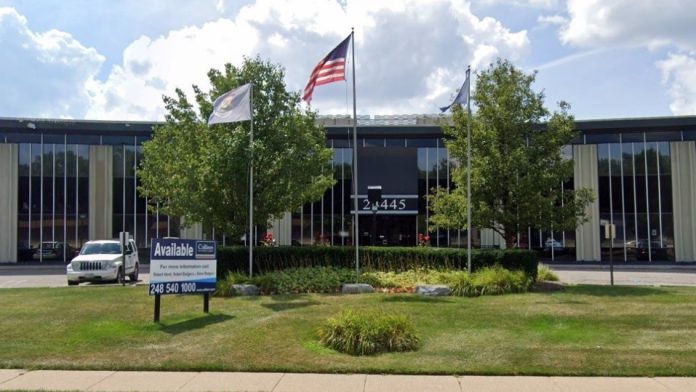
24445 Northwestern Highway
Suite 100
Southfield, MI 48075
 Sponsored
About Easterseals MORC
Easterseals MORC is a disability service and behavioral health network. Their Southfield Crescent Centre is located in Southfield, Michigan. Their services are geared to target mental health conditions and every intervention is provided in both English and Spanish. This location is open weekdays from 8:30am to 5:00pm. They take walk-ins on Tuesdays and Wednesdays from 8:30am to 2:30pm.
Autism Services in Southfield
To help you overcome chemical addiction, they offer varying levels of outpatient interventions, and peer support programs to help you stay accountable. Their autism services are a robust pathway to support your child and teach them skills like memory, focus, and communication. We appreciate their inclusion of Applied Behavior Analysis (ABA) therapy as an evidence-based practice. These autism services are all offered through home-based care.
I noticed that EasterSeals’ substance use disorder program is also in Southfield, albeit another location on Nine Mile Road. Treatment includes dialectical behavioral therapy (DBT) and referrals to Easterseals’ Clubhouse for career training and positive reinforcement.
Easterseals MORC Insurance Options
They work with most major health insurance plans. Easterseals also takes Medicaid HMOs. TRICARE is accepted for Veterans services at specific locations. If you need some extra help paying, feel free to inquire about their sliding fee scales. Clients aren't denied due to inability to pay.
Amenities
Transportation services are designed to ensure your addiction treatment begins and ends successfully by offering free transportation to the rehab facility, to and from your appointments during rehab, and back home upon program completion.
Recreational therapy uniquely combines therapeutic interventions with an activity, like horse-riding, hiking, wilderness therapy, basketball, tennis, or a full workout. Benefits of recreational therapy include providing a healthy way to work through the emotions of recovery, learning to build and maintain relationships, improving communication skills, and building self-esteem.
Hiking is a great way to relieve stress, get perspective, navigate challenges, connect with nature, and improve your health - all essential components of sustaining long-term recovery. Studies also show that the body releases endorphins during physical activities like hiking. These endorphins improve mood and act as a natural pain reliever.
Addiction treatment in the metro area benefits clients by offering seamless connections from the city, around the state, and those seeking out-of-state treatment. Another benefit of attending a metro area drug rehab is that you’re close to major airports and ground transportation services.
Private drug rehab provides a comfortable, secure environment that allows you to focus on doing the work to get your life back on track. Benefits include a higher staff-to-client ratio, increased one-on-one time with therapists and healthcare providers, private rooms for clients, and customized forms of therapy.
Business centers are a preferred amenity in many mental health and addiction recovery facilities and typically feature secure, high-speed internet, computer stations, printers, and related business technologies. Business centers are designed to enable professionals and students to continue to participate in work or school activities without leaving the treatment facility.
Art and music are mediums that connect with our feelings, making them a great recovery tool during addiction treatment. Studies show that combining art/music and drug rehab can have a greater therapeutic impact than drug rehab alone, as you’re able to access parts of your brain and body that you may not have access to during traditional talk therapy. Benefits of art/music therapy include lowering stress and anxiety, promoting healthy neurochemicals, and providing stress relief.
Addiction Treatment Programs
During cognitive behavioral therapy in Michigan, participants do more than talk with their therapists. This is an engaging, hands-on approach that requires active participation. Individuals work with their therapist to change their thought and behavior patterns to overcome addiction.
Assertive Community Treatment (ACT) is an integrative, community-based care strategy designed to address the needs of persons with severe and/or complex mental illness or behavioral disorders. ACT is typically provided by a multidisciplinary team of medical and mental health care providers, social workers, therapists, and other specialists, including addiction recovery professionals. These services are frequently provided in the home and community to clients in crisis, those who are clinically unstable, and those who are unable or unwilling to travel to a hospital or clinic for in-person treatment.
Administrative Services are ancillary services provided by multidisciplinary teams of professionals, including clinicians, social workers, therapists, and case managers. These services ensure clients receive seamless, comprehensive care across all stages of recovery. Programs may include transportation assistance, intervention planning, insurance verification, supportive housing and employment, and discharge planning and support.
A young adult program in Michigan specializes in treatment tailored to individuals in this stage of life who are suffering from substance use disorder. Treatment addresses addiction and the challenges related to young-adult life.
No single adult program in Michigan is right for everyone. That’s why each program is tailored to meet the needs of the individual. Common aspects to an adult rehab program include individual counseling, group therapy, and aftercare support.
Age-specific rehab can put participants at ease because they are with their peers. Elderly rehab in Michigan provides a safe and inviting setting for seniors to get the help they need to overcome addiction.
During men’s rehab in Michigan, individuals spend a significant amount of time in therapy. This gender-specific treatment gives men the tools they need to cope with stress and live without drugs and alcohol.
Women’s rehab in Michigan offers a full continuum of care for women seeking treatment for addiction. Programs range from intensive inpatient care to aftercare services.
Women’s rehab in Michigan offers a full continuum of care for women seeking treatment for addiction. Programs range from intensive inpatient care to aftercare services.
The backbone of most alcohol rehab in Michigan is a combination of individual and group therapy methods. Through these sessions, individuals learn how to address issues contributing to addiction and develop healthy lifestyle habits.
Drug rehab in Michigan typically involves several phases. Individuals start with assessment, then move through the stages of detox, rehab, and aftercare. These programs can last for one week to one year.
Levels of Care
A dual diagnosis treatment center in Michigan allows you to get treatment for substance abuse and mental health disorders at the same time. This is critical, because untreated mental health disorders often lead to relapse and poor recovery outcomes.
Intervention services in Michigan are often key to starting the recovery process. Intervention specialists provide support to encourage your loved one to get the help they need, provide access to educational and comjunity resources, and offer assistance with developing intervention and treatment plans.
Outpatient rehab in Michigan is tailored to each person’s recovery journey. This treatment usually involves several hours of therapy sessions each week, along with attendance at support group meetings. However, the timeline varies from a few weeks, to months, to years, based on your needs.
Aftercare rehab in Michigan helps you overcome hurdles after completing an addiction treatment program. You can receive assistance with finding a job, navigating legal issues, getting education, or plugging into a support group. These aftercare services unlock resources to help you continue to live a sober life.
Accreditations
Contact Information


 Sponsored
Nearby Treatment Centers
24901 Northwestern Highway
Suite 412
Southfield, MI 48075

16001 West Nine Mile Road
Southfield, MI 48075
23077 Greenfield Rd
Suite 445
Southfield, MI 48075

29451 Greenfield Rd
Southfield, MI 48076
