Duke City Recovery Toolbox
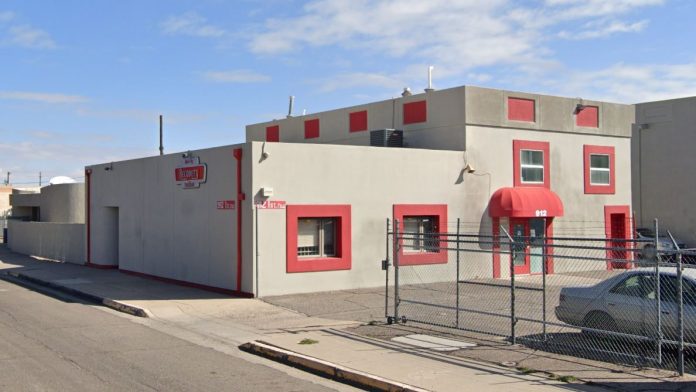
912 1st Street Northwest
Albuquerque, NM 87102
 Sponsored
About Duke City Recovery Toolbox
Duke City’s Recovery Toolbox is an outpatient addiction service provider in Albuquerque, New Mexico. They offer holistic care that treats your physical, mental, spiritual and emotional sides.
They offer medical services, including medication assisted treatment, Narcan training, and an onsite pharmacy. Clients can get emotional and mental support with a wide range of therapies including individual and family counseling, motivational interviewing, and education about addiction and how it works. They use the stages of change model to help people learn how to recognize their triggers and be able to find coping strategies.
Their medication program uses prescription medications like methadone and Suboxone to prevent withdrawal and decrease cravings.
They also have Bible study classes and prayer groups that you can join. These are open to anyone of any faith. People can also submit a prayer request at any time even if they don't want to participate in faith-based activities.
Unlike some treatment facilities, they don't have a set program length for your treatment. They can accommodate clients who need short-term treatment under 24 months as well as those who need to continue beyond the two years. All treatment terms are based on what you and your treatment team decide.
To get started you can make an appointment or walk in during walking hours.
Amenities
Private drug rehab provides a comfortable, secure environment that allows you to focus on doing the work to get your life back on track. Benefits include a higher staff-to-client ratio, increased one-on-one time with therapists and healthcare providers, private rooms for clients, and customized forms of therapy.
Residential drug rehab provides the comforts of home with the therapeutic support needed to successfully recover. Benefits of an inpatient program include increased safety, a higher success rate, and the time and distance given to focus on recovery. Residential drug rehabs are often the preferred method of treatment, as they can be tailored to meet specific needs, offer focused therapeutic care, and provide the necessary tools to sustain recovery.
Addiction Treatment Programs
At a young adult program in New Mexico, participants have the opportunity to develop relationships that offer mutual support. The comfortable, age-appropriate environment also makes them feel more at home and more likely to participate.
Treatment at an adult program in New Mexico varies, based on the individual’s needs. Many programs provide a full continuum of care, ranging from initial intervention and detox to recovery aftercare.
Facilities that offer alcohol rehab in New Mexico are typically designed to help participants heal mentally, physically, and spiritually. Programs focus on fitness, nutrition, and individual and group therapy, to treat the whole person and help them develop healthy habits in all areas of their lives.
Addiction can manifest differently in women and men. Men’s rehab in New Mexico offers behavioral and medication-assisted treatments that have demonstrated to be most effective for men.
Women’s rehab in New Mexico helps women address the needs that drive their addictive behaviors and develop the tools they need for successful recovery. These are often different than the challenges faced by men.
Each opioid rehab in New Mexico is unique. Treatment options include medical detox, inpatient rehab, outpatient rehab, and partial hospitalization programs (PHPs). The best program for each person depends on the severity of their addiction and personal situation.
Cognitive behavioral therapy in New Mexico is a well-established treatment method for substance use disorders and a full range of mental health disorders. It focuses on how thoughts influence mood and works to change dysfunctional thoughts that can lead to addiction.
Each drug rehab in New Mexico offers unique amenities and treatment methods. Common aspects of treatment include group and individual counseling, recreational therapy, medication management, and healthy living. Aftercare is often provided to prevent relapse.
Elderly rehab in New Mexico is similar to other programs. It offers family therapy, group therapy, cognitive behavioral approaches, and individual therapy. The difference is a focus on senior-specific issues that makes treatment more effective for this age bracket.
Women’s rehab in New Mexico helps women address the needs that drive their addictive behaviors and develop the tools they need for successful recovery. These are often different than the challenges faced by men.
Due to past experiences, Veterans often benefit from specialized Veteran’s rehab in New Mexico. These programs may provide connections to self-help groups, training in managing relapse triggers, and counseling for couples and families.
Levels of Care
New Mexico outpatient rehab may last a few weeks or more than a year. This flexible program provides ongoing treatment while you maintain other work and home responsibilities. It typically involves attending several therapy sessions each week and participating in a 12-step support group.
New Mexico dual diagnosis treatment gives you access to the specialists you need to treat both mental health and substance abuse disorders. This is key to successful recovery, since these conditions significantly affect one another.
When you choose aftercare rehab in New Mexico, you receive access to resources that provide ongoing support for recovery. Common aftercare services include career counseling, legal advice, academic support, financial planning, and therapy, which may continue for at least a year after initial rehab.
Safely cleanse your body from addictive substances with detox in New Mexico. During this initial phase of drug rehab in New Mexico, you’ll receive 24/7 care, including medication to ease withdrawal symptoms.
Before treatment can begin at a drug rehab in New Mexico, intervention services are often necessary. This treatment service offers support to family members by providing educational resources, pre-intervention counseling, intervention facilitation, and treatment plan development.
Accreditations
Contact Information


 Sponsored