Discovery Mood & Anxiety Program – Fresno – Closed
Closed: Please See Nearby Facilities
Fresno, California
 Sponsored

About Discovery Mood & Anxiety Program – Fresno – Closed
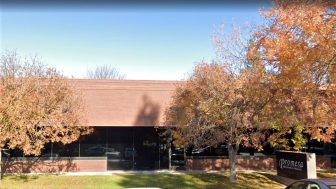
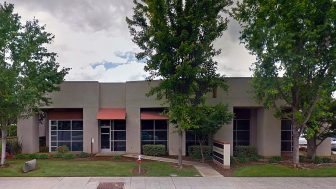
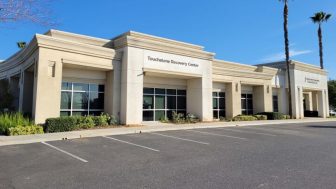
Discovery Mood and Anxiety Program was for adolescents ages 11-17 struggling with mental health conditions. Founded in 1997, this facility was located in Fresno, California and was residential based, providing 24/7 supervision in a structured therapeutic setting.
A Healing Environment To Support Recovery
The great thing I noticed about this residential treatment program is that it provided clients with a home-like setting. The combination of structure and comfort helped each individual fully focus on recovery.
Clients normally shared a room with one other person and this location normally ranged from 6-8 individuals. A few specific therapeutic approaches I noticed that were used in this program included dialectical behavior therapy (DBT) and eye movement desensitization and reprocessing (EMDR). These approaches helped clients change negative beliefs, develop healthy coping mechanisms and heal from trauma.
School Support to Maintain Academics
Discovery Mood and Anxiety Program offered a school support program. The facility provided 20 hours of time for school work and offered a small student to staff ratio.
I like there was also a collaborative effort between the education liaison and the therapist so that they provide the best approach to learning and treatment for the specific individual. Clients were encouraged to stay enrolled so that when the time arises it will be an easy transition back into school.
A great place clients may have had the chance to visit outside of treatment sessions is Fresno’s biggest park, Woodland Park. The park included five miles of trails, an authentic Japanese Garden and playgrounds which may have helped give clients to relax and reflect on their recovery.
Amenities
Residential drug rehab provides the comforts of home with the therapeutic support needed to successfully recover. Benefits of an inpatient program include increased safety, a higher success rate, and the time and distance given to focus on recovery. Residential drug rehabs are often the preferred method of treatment, as they can be tailored to meet specific needs, offer focused therapeutic care, and provide the necessary tools to sustain recovery.
In order to maintain a sense of autonomy, many private rehab facilities offer clients the ability to choose their own private rooms. The privacy and personal space ensure that the recovery process is as comfortable as possible.
Addiction Treatment Programs
Typically, a young adult program in California can guide individuals from detox, through initial treatment, and extends to aftercare. Treatment gives young adults what they need to reset their lives and move to the next stage of life free from addiction.
Gender-specific addiction treatment programs may be more effective in treating men because they focus on unique needs of males. Men’s rehab in California is designed to help men process emotions and cope with stress in a judgment-free environment.
Women’s rehab in California provides a safe environment where women can work through addiction challenges surrounded by their gender peers. This often creates an environment that is more conducive to recovery.
When a person is struggling with addiction, their actions and emotions may not be rational. Cognitive behavioral therapy in California helps individuals understand better why they feel and act certain ways and how those emotions and actions can lead to substance abuse.
Levels of Care
When you choose outpatient rehab in California, you will meet with a counselor and attend support group meetings. The focus will be on restructuring attitudes and thoughts to reduce cravings and develop skills to prevent relapse. The length of time in outpatient rehab varies by individual, based on their recovery needs.
When you have a co-occurring disorder, it is essential to treat both your addiction and the mental health disorder. California dual diagnosis treatment provides this type of multidisciplinary approach, for improved recovery outcomes.
Unlike outpatient drug rehab, clients receiving inpatient rehab in California reside at the facility for the duration of the program. The length of stay may range from two weeks to 18 months or more, depending on the client's needs and the program’s design.
Partial hospitalization programs (PHPs) are a type of outpatient treatment program that often utilize many of the same treatment methods used for inpatient care. The difference being that you only visit the drug rehab in California during treatment times, then you can return home.