Dilworth Center
2240 Park Road
Charlotte, NC 28203
 Sponsored
About Dilworth Center
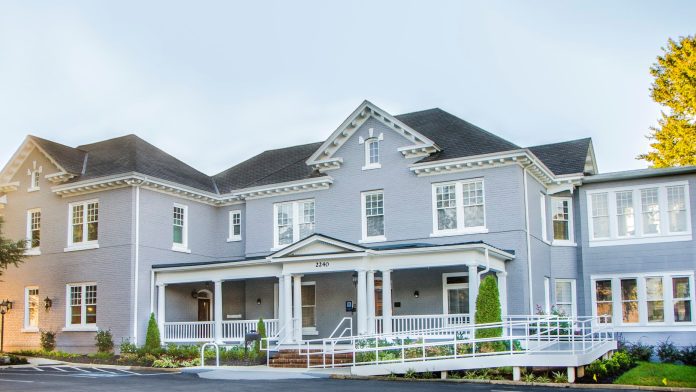
Located in Charlotte, North Carolina, Dilworth Center is a nonprofit addiction treatment center specializing in intensive outpatient services. I'm impressed that for over 35 years, this facility has provided structured care for adults, adolescents and professionals facing substance use disorders and co-occurring mental health conditions.
Their treatment philosophy emphasizes trauma-informed care and family involvement to support long-term recovery without the need for residential stays.
Choosing Dilworth Center
This long-standing program offers a comprehensive approach to outpatient recovery highlighted by the following features:
- Intensive Outpatient Program (IOP): Structured day and evening schedules allow clients to receive intensive support while maintaining daily work or school responsibilities.
- Specialized tracks: Dedicated programs serve specific populations, including adolescents, adults, and professionals, with a specific aftercare track for nurses.
- Evidence-based therapies: Clinical care utilizes cognitive behavioral therapy (CBT), motivational interviewing and 12 Steps.
- Holistic integration: Treatment plans include mindfulness, yoga and unique experiential offerings such as equine-assisted therapy.
- Dual diagnosis support: Clinicians provide integrated care for individuals managing substance use alongside co-occurring mental health diagnoses.
- Family focus: Comprehensive family programming offers education, group therapy and support networks to help loved ones heal together.
- Local expertise: The clinical team holds over 250 years of combined professional experience.
- Insurance accepted: The center is in-network with major providers including Blue Cross Blue Shield, Aetna, Cigna and UnitedHealthcare.
Starting Recovery at Dilworth Center
Beginning treatment involves contacting the admissions team to discuss the specific needs of the individual or family member seeking help. I saw that the staff can verify insurance benefits, explain financial assistance options and determine if the adolescent or adult tracks are the best fit. A clinical assessment ensures that every client enters the appropriate level of care for their situation.
Consider reaching out to Dilworth Center today to learn more about their outpatient programs and professional support services.
Amenities
Treatment centers with a yoga studio offer a special form of holistic therapy during the recovery process. Yoga boosts mindfulness, a sense of calm, and healthy reflection during drug rehab via breathing exercises, stretching, and a progression of specific postures.
Addiction Treatment Programs
When individuals participate in a young adult program in North Carolina, they feel more at ease in a setting that is age-appropriate. Activities, therapies, and aesthetics are all tailored for this age group, so participants can feel comfortable and are more likely to complete the program.
An adult program in North Carolina typically combines individual and group counseling, medical treatment, and various other therapies to treat substance use disorders. Treatment can take place in an inpatient or outpatient setting.
Alcohol rehab in North Carolina is a course of treatments that helps participants overcome alcohol dependency. Treatments address physical, mental, and emotional aspects of substance use disorder and help the individual develop healthy habits for long-term recovery.
Many therapists use cognitive behavioral therapy in North Carolina to treat substance use disorders. This goal-oriented method addresses maladaptive thinking and related beliefs that affect behaviors and can lead to addiction.
There are many types of drug rehab in North Carolina. To receive treatment for addiction, you can choose from many inpatient and outpatient programs. Often, participants start with detox and work through a full continuum of care that continues with ongoing support for long-term recovery.
Animal & equine therapy are evidence-based complementary therapies drawing on the emotional, psychological, and physiological benefits of regular contact with animals. Addiction recovery programs may incorporate the care of therapy dogs, cats, horses, and other animals into their treatment model to support clients’ development of recovery-focused life skills, including personal responsibility, time management, and empathy. Contact with therapy animals may reduce stress, enhance mood, decrease depression and anxiety, and increase clients’ self-esteem and sense of wellbeing.
Levels of Care
Outpatient rehab in North Carolina is often the next step for those who complete an inpatient program. This less restrictive treatment involves several hours of therapy per week, and accountability through 12-step meetings such as AA. You’ll continue this treatment as long as needed, which could be weeks, months, or years.
Recovery journeys often begin with intervention services in North Carolina. This treatment tool provides key support in planning and facilitating an effective intervention. Intervention specialists can also provide resources to develop treatment plans and guide families through the admission process.
Some of the most common co-occurring mental health disorders include anxiety, depression, and eating disorders. When these are present alongside substance use disorder, dual diagnosis treatment in North Carolina is necessary to address both conditions.
Aftercare rehab in North Carolina is a crucial part of relapse prevention. It gives you access to resources that will help you manage stress and overcome life hurdles. Typical services include career coaching, financial guidance, and ongoing counseling and emotional support. These may continue for a few months or more than a year after initial rehab.
Accreditations
Accepted Insurance
Contact Information


 Sponsored