Detroit Reentry Center
Closed: Please See Nearby Facilities
Detroit, Michigan
 Sponsored
About Detroit Reentry Center
Detroit Reentry Center was a Michigan Department of Corrections facility in Detroit that integrated addiction treatment within a reentry-focused correctional setting. The center provided Residential and Advanced Substance Abuse Treatment (RSAT/ASAT), cognitive behavioral therapy, and domestic violence intervention for adult offenders.
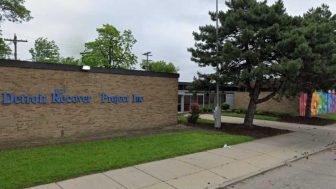
Its 39-acre campus was distinguished by an onsite dialysis unit and evidence-based programming designed for community reintegration. I noticed the urban campus featured landscaped berms, buffer fencing, and security towers throughout the 39-acre property. The center permanently closed on January 9, 2021. Programs were centralized to other MDOC locations.
What Addiction Programs were Available?
The facility offered Residential Substance Abuse Treatment (RSAT) and Advanced Substance Abuse Treatment (ASAT) alongside "Thinking for a Change" cognitive restructuring and Bridges domestic violence intervention. Educational services included GED programming and the Intensive Detention Reentry Program.
Detroit Reentry Center served adult men and women aged 18+ within the criminal justice system, including parolees, probationers, and those detained for violations. It uniquely housed long-term dialysis patients requiring integrated medical care.
Insurance & Payment Options
As a state correctional facility, Detroit Reentry Center did not accept private insurance or self-payment. All healthcare and treatment services were provided through the MDOC system at no direct cost to residents.
Admission was managed exclusively through the Michigan Department of Corrections.
A Model for Integrated Correctional Care
I'm impressed that Detroit Reentry Center pioneered comprehensive medical and rehabilitative services in Detroit's criminal justice system. Those seeking current treatment should contact MDOC or community providers for available options.
Amenities
Residential drug rehab provides the comforts of home with the therapeutic support needed to successfully recover. Benefits of an inpatient program include increased safety, a higher success rate, and the time and distance given to focus on recovery. Residential drug rehabs are often the preferred method of treatment, as they can be tailored to meet specific needs, offer focused therapeutic care, and provide the necessary tools to sustain recovery.
In order to maintain a sense of autonomy, many private rehab facilities offer clients the ability to choose their own private rooms. The privacy and personal space ensure that the recovery process is as comfortable as possible.
Addiction Treatment Programs
A young adult program in Michigan specializes in treatment tailored to individuals in this stage of life who are suffering from substance use disorder. Treatment addresses addiction and the challenges related to young-adult life.
No single adult program in Michigan is right for everyone. That’s why each program is tailored to meet the needs of the individual. Common aspects to an adult rehab program include individual counseling, group therapy, and aftercare support.
The backbone of most alcohol rehab in Michigan is a combination of individual and group therapy methods. Through these sessions, individuals learn how to address issues contributing to addiction and develop healthy lifestyle habits.
During men’s rehab in Michigan, individuals spend a significant amount of time in therapy. This gender-specific treatment gives men the tools they need to cope with stress and live without drugs and alcohol.
Women’s rehab in Michigan offers a full continuum of care for women seeking treatment for addiction. Programs range from intensive inpatient care to aftercare services.
Each opioid rehab in Michigan is unique, but most consist of several key steps: admission, detox, addiction therapy, specialized care, and aftercare. Professional staff evaluate each person’s needs to recommend treatment duration and specific therapies.
Drug rehab in Michigan typically involves several phases. Individuals start with assessment, then move through the stages of detox, rehab, and aftercare. These programs can last for one week to one year.
Assertive Community Treatment (ACT) is an integrative, community-based care strategy designed to address the needs of persons with severe and/or complex mental illness or behavioral disorders. ACT is typically provided by a multidisciplinary team of medical and mental health care providers, social workers, therapists, and other specialists, including addiction recovery professionals. These services are frequently provided in the home and community to clients in crisis, those who are clinically unstable, and those who are unable or unwilling to travel to a hospital or clinic for in-person treatment.
Levels of Care
Aftercare rehab in Michigan helps you overcome hurdles after completing an addiction treatment program. You can receive assistance with finding a job, navigating legal issues, getting education, or plugging into a support group. These aftercare services unlock resources to help you continue to live a sober life.
Inpatient drug rehab in Michigan offers multiple forms of evidence-based treatments and complementary therapies you must particiapte in while living at the facility. Some inpatient rehabs offer nutritional counseling, recreational therapy opportunities, and meditation classes.
Acting as a bridge between rehab and the rest of your life, sober living in Michigan can be very beneficial. This drug-free residential setting provides structure and teaches responsibility. You’ll receive peer support and strengthen skills you learned in rehab. Once you feel ready to live on your own, you can transition from sober living to independent housing.
Intervention services in Michigan are often key to starting the recovery process. Intervention specialists provide support to encourage your loved one to get the help they need, provide access to educational and comjunity resources, and offer assistance with developing intervention and treatment plans.