
Desert Parkway Behavioral Healthcare Hospital
 Sponsored
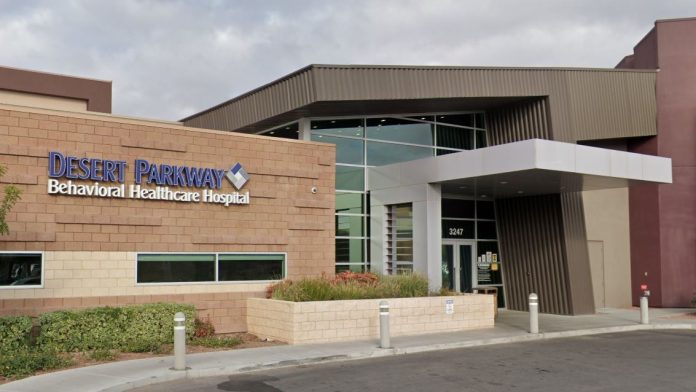
About Desert Parkway Behavioral Healthcare Hospital
Inpatient rehab for substance use is a 30 to 60 day program at Desert Parkway Behavioral Healthcare Hospital, an addiction treatment center in Las Vegas. Children and adolescents are admitted, along with adults and older adults. Residential treatment isn’t offered here.
What insurance does it take?
Desert Parkway accepts United Healthcare, Aetna, Cigna, Medicaid, Anthem, Medicare, TRICARE, Humana, Optum and self-pay. The hospital is in network for TRICARE and TriWest. When you’re planning how to pay, Medicaid, Medicare and TRICARE are the public payers on that list.
Can you keep working?
I like their approach. I like how Desert Parkway’s intensive outpatient program lets you keep a job or stay in school during treatment. Outpatient programs also continue care after an inpatient substance use stay.
Who can be admitted?
A military and first responder program at Desert Parkway holds 23 dedicated beds, and older adults have a secured unit with 23 beds. Teen programming covers ages 13 through 17, and youth programming covers ages 8 through 12.
Desert Parkway has 152 beds for inpatient care, and patients come from around the country to the hospital in Las Vegas, Nevada.
Amenities
Private drug rehab provides a comfortable, secure environment that allows you to focus on doing the work to get your life back on track. Benefits include a higher staff-to-client ratio, increased one-on-one time with therapists and healthcare providers, private rooms for clients, and customized forms of therapy.
Recreational therapy uniquely combines therapeutic interventions with an activity, like horse-riding, hiking, wilderness therapy, basketball, tennis, or a full workout. Benefits of recreational therapy include providing a healthy way to work through the emotions of recovery, learning to build and maintain relationships, improving communication skills, and building self-esteem.
Addiction Treatment Programs
The adult inpatient program serves adults 18 and older with an integrated team: psychiatrists, internists, nurses, case managers, social workers, activity therapists and dietitians.
Most programs that offer alcohol rehab in Nevada focus on three aspects of treatment. Participants receive professional therapy, learn new life skills, and develop a network of support that includes a rich community life. This combination provides a solid foundation for recovery and for relapse prevention.
Cognitive behavioral therapy is among the treatment approaches here, helping people spot inaccurate or harmful automatic thinking.
A men’s rehab in Nevada provides gender-specific treatments, including peer support. These targeted efforts increase the long-term success of treatment.
In Nevada, Veteran’s rehab is designed to help Veterans address the challenges of addiction. Often, staff have military backgrounds, and all treatment providers are trained in best practices for working with this population.
Opioid rehab in Nevada typically includes a variety of therapeutic methods. Participation in therapy allows individuals to work with addiction specialists to address the challenges that contribute to addiction. Group therapy sessions provide mutual support and encouragement. Combined, these various methods provide the tools needed to maintain long-term recovery.
Addiction and recovery affect women differently than men. Because women progress faster through recovery, experience more mental health problems, and face different barriers to treatment, a women’s rehab in Nevada is often the ideal solution for women facing addiction.
Young patients are split by age. Youth programming covers ages 8 through 12, with teen programming covering ages 13 through 17.
Levels of Care
Detox at Desert Parkway is medically supervised. Supervision is there so each patient can stabilize safely during detox at the hospital.
For around the clock care from a drug rehab in Nevada, choose an inpatient rehab program. At this level of treatment, you’ll live at the rehab facility and receive various forms of therapy, medication management, relapse prevention education, and nutritional counseling.
Outpatient care at Desert Parkway covers substance abuse treatment while a person keeps up home routines and, in some cases, a work schedule.
After inpatient treatment ends, the outpatient programs keep the care going, with ongoing support for patients who recently finished an inpatient substance abuse program.
Care here addresses co-occurring psychiatric conditions during substance use treatment instead of putting them off.
Accreditations
Contact Information


 Sponsored
Amy Greene’s first novel Bloodroot was a New York Times and National Bestseller and a New York Times Editor’s Choice pick. Her second novel Long Man was a Washington Post Top Book of the Year. She lives in the Smoky Mountains of East Tennessee with her husband and two children.
Rehabs.org regularly reviews this listing for accuracy but changes may occur between updates. For the most up-to-date information, please contact Desert Parkway Behavioral Healthcare Hospital.
Nearby Treatment Centers

1785 East Sahara Avenue
#145
Las Vegas, NV 89104

2887 South Maryland Parkway
Las Vegas, NV 89109

2920 S Jones Blvd
Las Vegas, NV 89146
3852 Palos Verdes Street
Las Vegas, NV 89119
Popular Nevada Cities
More Cities View Other Nevada CitiesFAQs
What insurance does Desert Parkway Behavioral Healthcare Hospital accept?
The hospital takes a long list: United Healthcare, Aetna, Cigna, Medicaid, Anthem, TRICARE, Humana and Optum, plus self-pay. It’s in-network for TRICARE and TriWest, and Medicare coverage for treatment is accepted too.
What levels of care are available at Desert Parkway?
The hospital runs medical detox, inpatient rehab, partial hospitalization and intensive outpatient programs. Aftercare carries on through outpatient treatment after an inpatient stay, and co-occurring psychiatric conditions get addressed rather than deferred.
Which age groups can get treatment here?
Adults 18 and older have an inpatient rehab program. Younger patients are split by age, with youth programming from 8 through 12 and teen programming from 13 through 17. The Resilience program adds a 23-bed secured unit for older adults.
Can you keep working while in outpatient treatment here?
Yes, that’s possible in some cases. The outpatient offerings are set up so a person can keep home routines during treatment, and a work schedule can stay in place.
Which therapies does the hospital use in treatment?
Cognitive behavioral therapy works on recognizing inaccurate or harmful automatic thinking. 12-step models and a SMART Recovery program for adults round out the approaches, and family members get education and counseling too.
