Kingswood Apartments
1105 West North Carolina Highway 54 Bypass
Chapel Hill, NC 27516
 Sponsored
About Kingswood Apartments
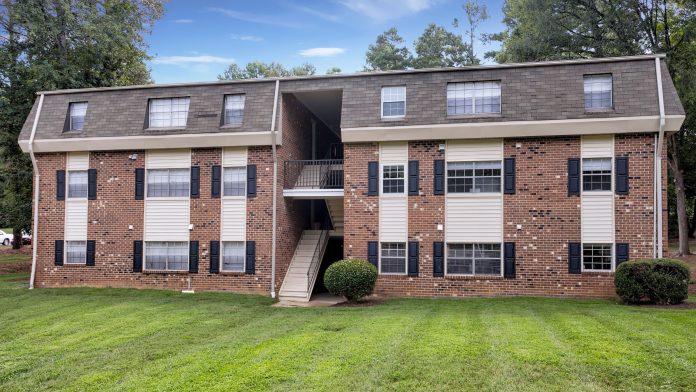
Horizons - Kingswood Apartments is a residential program of the University of North Carolina at Chapel Hill School of Medicine in Chapel Hill, North Carolina. It helps pregnant women and parenting women seeking treatment for substance abuse. They give women and their children a safe place to live while they focus on recovery. The program also includes parenting support and education.
Clients reside in a private, reserved, rent free apartment during their stay. Health care is provided for the children, and the program includes transportation to and from treatment sessions. I also want to note that this program has a trauma informed care approach with a special interest in women who have experienced violence.
A Safe and Secure Residence
With many women coming to treatment from unstable living situations, staff emphasize making the residences as safe as possible. Staff are present 24 hours a day to help you as needed, but they also make regularly scheduled check-ins to ensure safety.
This isn't unusual for residential programs, but it's especially important here. You and your child's private apartment will be kept secure against any kind of danger, so you can rest easy and focus on recovery.
Practical Prep Work
Residents spend their days in treatment, where the work they do will go beyond achieving and maintaining sobriety. Staff want to make sure you're ready to support yourself and your family when you leave, which means building skills and working toward goals like education and employment.
A specific aspect of this I like is their help securing housing before you leave. I appreciate that they don't leave it wholly up to you given how vital stable housing is to relapse prevention. It can also feel like an intimidating task, but here you'll have staff on your side to help navigate the process.
Planning for Continuing Care
On a similar note, you'll work with staff on an aftercare program to decide what's next for you and your child. For substance use recovery, this usually includes connecting with a provider for ongoing treatment or counseling, identifying and applying for support programs, working with a case manager and identifying the resources that will be most useful for you. It’s an experienced helping hand from people who want to see you succeed in your new journey.
Amenities
Private drug rehab provides a comfortable, secure environment that allows you to focus on doing the work to get your life back on track. Benefits include a higher staff-to-client ratio, increased one-on-one time with therapists and healthcare providers, private rooms for clients, and customized forms of therapy.
Residential drug rehab provides the comforts of home with the therapeutic support needed to successfully recover. Benefits of an inpatient program include increased safety, a higher success rate, and the time and distance given to focus on recovery. Residential drug rehabs are often the preferred method of treatment, as they can be tailored to meet specific needs, offer focused therapeutic care, and provide the necessary tools to sustain recovery.
Recreational therapy uniquely combines therapeutic interventions with an activity, like horse-riding, hiking, wilderness therapy, basketball, tennis, or a full workout. Benefits of recreational therapy include providing a healthy way to work through the emotions of recovery, learning to build and maintain relationships, improving communication skills, and building self-esteem.
In order to maintain a sense of autonomy, many private rehab facilities offer clients the ability to choose their own private rooms. The privacy and personal space ensure that the recovery process is as comfortable as possible.
Swimming increases blood flow to the body and brain, boosts white blood cells, and improves muscle strength, lung capacity, and overall stamina. Drug rehabs with a swimming pool offer physical and mental benefits to complement the recovery process.
Some rehab programs offer free Wi-Fi to guests who have full access to their smartphone devices or laptop computers during treatment. While access to these devices may be allowed, the time spent using them is often regulated or restricted so clients can focus on treatment.
When used as part of an evidence-based treatment plan, basketball can boost physical and mental health, lead to sharper thinking, and facilitate improved self-esteem. Drug rehabs with a basketball court also place a focus on teamwork and cooperation.
There’s nothing more distressing than leaving pets at home when leaving for for rehab. That’s why many addiction treatment programs are now pet friendly, allowing you to bring pets with you while attending a residential drug rehab program. These tailored addiction treatment programs provide a private room that has space to comfortably support you and your beloved furry companion.
Addiction Treatment Programs
An adult program in North Carolina typically combines individual and group counseling, medical treatment, and various other therapies to treat substance use disorders. Treatment can take place in an inpatient or outpatient setting.
Alcohol rehab in North Carolina is a course of treatments that helps participants overcome alcohol dependency. Treatments address physical, mental, and emotional aspects of substance use disorder and help the individual develop healthy habits for long-term recovery.
There are many types of drug rehab in North Carolina. To receive treatment for addiction, you can choose from many inpatient and outpatient programs. Often, participants start with detox and work through a full continuum of care that continues with ongoing support for long-term recovery.
To overcome opioid addiction, attend opioid rehab in North Carolina. Treatment takes place in inpatient or outpatient care, using a variety of therapies, medications, and other helpful interventions. Length of treatment caries, typically lasting 30, 60, or 90 days.
Women’s rehab in North Carolina allows women to receive gender-specific treatment tailored to their needs. Programs are available for alcohol, heroin, prescription drugs, benzos, and any other addictive substances, as well as co-occurring disorders.
When individuals participate in a young adult program in North Carolina, they feel more at ease in a setting that is age-appropriate. Activities, therapies, and aesthetics are all tailored for this age group, so participants can feel comfortable and are more likely to complete the program.
Levels of Care
Nearly all drug rehabs in North Carolina begin with a detox program. When this process is complete, all addictive substances will be purged from your body. You can then move on to the next steps of drug rehab in North Carolina.
When you choose inpatient drug rehab in North Carolina, you’ll live at a rehab facility for 28 to 90 days, depending on the program. Typical methods of treatment include group and individual therapy and family counseling.
Outpatient rehab in North Carolina is often the next step for those who complete an inpatient program. This less restrictive treatment involves several hours of therapy per week, and accountability through 12-step meetings such as AA. You’ll continue this treatment as long as needed, which could be weeks, months, or years.
Some of the most common co-occurring mental health disorders include anxiety, depression, and eating disorders. When these are present alongside substance use disorder, dual diagnosis treatment in North Carolina is necessary to address both conditions.
Many people find that a few months in North Carolina sober living after rehab treatment gives them a good foundation for long-term recovery. The average stay at a sober living home is five to eight months, but you get to decide when you are ready to live on your own.
Contact Information


 Sponsored