
CuraWest
 Sponsored
About CuraWest
Medicare doesn’t cover care at CuraWest. The center is a drug and alcohol rehab in Denver, Colorado, for people with a substance use disorder.
Is a sliding scale offered?
CuraWest has a sliding scale, and you file an application if you might be eligible. Filing is how you learn whether a fee on the scale applies to you.
Is Health First Colorado accepted?
CuraWest takes Health First Colorado and works with health insurance, and self-pay and private pay are options too. A plan the center takes isn’t a promise that your care is covered.
Is care available online?
Online care at CuraWest covers substance use and mental health, and in-person care happens in Denver. Getting care online can keep treatment from depending on a trip to Denver.
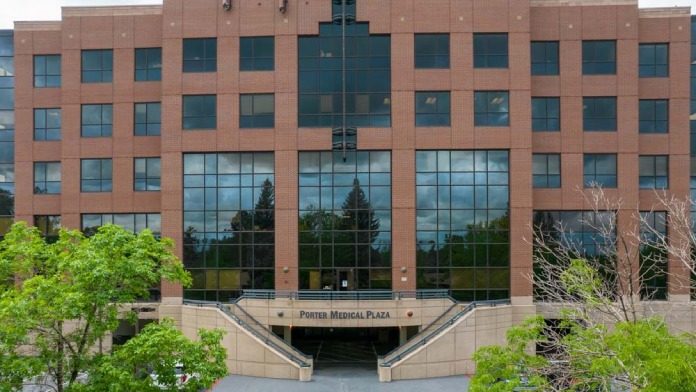
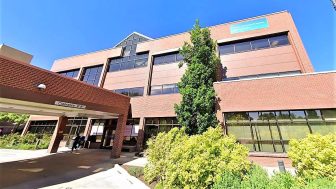
Residential care at CuraWest runs about 28 days, and the person lives at the center the whole time. The detox center is near the University of Denver, at Porter Adventist Hospital in Denver.
Amenities
Residential drug rehab provides the comforts of home with the therapeutic support needed to successfully recover. Benefits of an inpatient program include increased safety, a higher success rate, and the time and distance given to focus on recovery. Residential drug rehabs are often the preferred method of treatment, as they can be tailored to meet specific needs, offer focused therapeutic care, and provide the necessary tools to sustain recovery.
Recreational therapy uniquely combines therapeutic interventions with an activity, like horse-riding, hiking, wilderness therapy, basketball, tennis, or a full workout. Benefits of recreational therapy include providing a healthy way to work through the emotions of recovery, learning to build and maintain relationships, improving communication skills, and building self-esteem.
Treatment centers with a yoga studio offer a special form of holistic therapy during the recovery process. Yoga boosts mindfulness, a sense of calm, and healthy reflection during drug rehab via breathing exercises, stretching, and a progression of specific postures.
In order to maintain a sense of autonomy, many private rehab facilities offer clients the ability to choose their own private rooms. The privacy and personal space ensure that the recovery process is as comfortable as possible.
Addiction Treatment Programs
Each young adult program in Colorado is unique, but most offer evidence-based treatment methods while focusing on the young-adult stage of life. Common methods include cognitive behavioral therapy, group and individual therapy, family therapy, relapse prevention, and dual diagnosis therapy.
The adult program is for anyone facing a substance use disorder, including alcoholism, drug addiction and dual diagnosis.
Alcohol problems are treated here, and dual diagnosis is included when both are present.
Men’s rehab in Colorado focuses on the needs of men, including the unique ways they respond to addiction and addiction treatment. These programs allow men to process emotions and connect with other men who have similar struggles.
Women’s rehab in Colorado takes a unique approach to treatment that addresses women’s perspectives. Treatment allows women to explore traumas that may have contributed to their substance use disorder and find support among other women.
For opioid withdrawal, Suboxone or Subutex are the medications used, with clonidine in some instances.
Cognitive behavioral therapy runs inside group therapy here, alongside process groups and DBT.
Professional services are often necessary to recover from addiction. Drug rehab in Colorado provides the expert services needed to address the complex issues of addiction and help individuals start their recovery journey.
Elderly rehab in Colorado focuses on the challenges seniors face that often accompany substance abuse. Senior addiction treatment helps aging adults cope with illness, chronic pain, death of loved ones, and decrease in physical ability.
Assertive Community Treatment (ACT) is an integrative, community-based care strategy designed to address the needs of persons with severe and/or complex mental illness or behavioral disorders. ACT is typically provided by a multidisciplinary team of medical and mental health care providers, social workers, therapists, and other specialists, including addiction recovery professionals. These services are frequently provided in the home and community to clients in crisis, those who are clinically unstable, and those who are unable or unwilling to travel to a hospital or clinic for in-person treatment.
Levels of Care
During outpatient rehab in Colorado, you will attend counseling sessions but live at home while you receive treatment. You will be required to attend groups such as AA or NA to receive additional support. The length of time in outpatient rehab varies by individual, based on their recovery journey.
Aftercare planning here is informed by the assessment, and case managers use it to build a personalized plan for what continues after treatment.
Inpatient care means living at the program while treatment is intensive and structured. The stay typically runs about 28 days, with recovery as the full-time commitment during that time.
Medical detox clears substances from the body under medical supervision. Alongside it, medication for opioid use disorder is available: Suboxone or Subutex, with clonidine in some instances.
When paired with 12-step programs, Colorado sober living has been shown to improve outcomes for those in recovery. Residents live in a structured environment with peer support and strict house rules. This arrangement can provide the support you need during early months of recovery.
Intervention services are offered here, and case management and family workshops run alongside them for the family working through the decision.
Accreditations
Accepted Insurance




Contact Information


 2535 S Downing St
Suite 500
Denver, CO 80210 Sponsored
Patti Croft is a full-time writer who writes about accessing effective addiction treatment during the day but is also pursuing her dream of penning a novel in her spare time. She enjoys copious amounts of coffee as creative fuel and sharing an office with her adorable cat, Beau. Her background is in healthcare management, and she is a passionate advocate for mental health and addiction care.
Peter W.Y. Lee is a historian specializing in American Cold War history. He has published widely on youth culture and the social impact of popular culture throughout the twentieth century and how the public has approached culture as a means of coping with the challenges that accompany changing times.
Rehabs.org regularly reviews this listing for accuracy but changes may occur between updates. For the most up-to-date information, please contact CuraWest.
Nearby Treatment Centers
Popular Colorado Cities
More Cities View Other Colorado CitiesFAQs
Does CuraWest take insurance, and is Medicare one of them?
Most major regional and national health insurance plans are accepted, including Aetna, Blue Cross Blue Shield and Health First Colorado. Medicare coverage for treatment is the exception: these facilities aren’t covered by Medicare. Self-pay and private pay are options too.
What levels of care does CuraWest cover, from detox to outpatient?
Detox, residential, partial hospitalization and intensive outpatient, plus medication assisted treatment for opioid use disorder, telehealth and aftercare planning. Residential runs as a live-in program with intensive structured care, and the partial hospitalization piece is daytime treatment. Dual diagnosis is treated at the same time as the substance use.
Where is the detox center, and can you have a private room?
The detox center sits at Porter Adventist Hospital, not far from the University of Denver. Private bedrooms are optional and go on a first-come, first-served basis, so a private room isn’t something to count on. Yoga or fitness is offered as well.
What kinds of therapy are used in treatment?
Group therapy is used in treatment, and the addiction therapy options used inside it are process groups, CBT and DBT. CBT means cognitive behavioral therapy.
