Crossnore Communities for Children-WS
1001 Reynolda Road
Winston Salem, NC 27104
 Sponsored
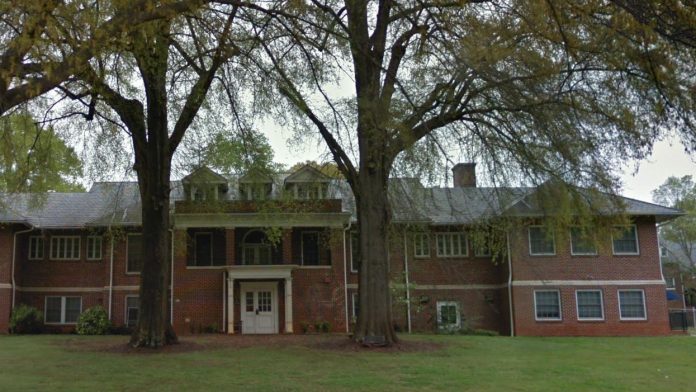
About Crossnore Communities for Children-WS
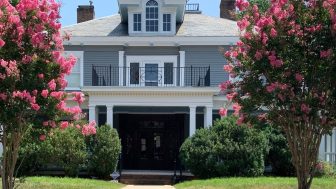
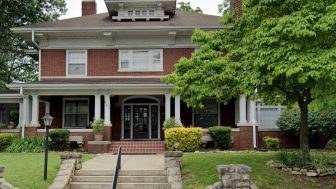
Crossnore Communities for Children in North Carolina has been in operation for more than a century. Their Winston Salem campus spans more than 200 acres and includes residential and therapeutic academic facilities with outpatient clinics, a school and treatment with a Christian base and values guiding their programming. That includes behavioral health programs for addiction and other issues.
Creating and Supporting Families
A large part of what Crossnore does is supporting and providing resources to foster children and foster parents. This includes clinical services that provide therapy to both children and families.
We think it's important to note that these services are not just for foster families and foster children. Often the therapy offered is to prevent the breakdown of a family where possible, including families who are at risk due to substance use.
They have family foundations and homebuilders support to help keep families safe and healthy, and improve quality of life for all. They also provide adoption support for children and their families and youth independent living supports to adolescents who have aged out of foster care or need to leave their home for safety or mental health reasons.
School and Support for Youth with Behavioral Health Needs
The Winston Salem campus has residential programs and therapeutic academic programs for children and youth. The Anderson Academy is on this campus and provides private school programming to children in grades kindergarten to grade four. In the next few school years it will be adding higher grades to the curriculum and have programming for up to grade
8 by 2027.
We were impressed to see that there is no cost for North Carolina students wanting to attend the Anderson Academy. It provides social and emotional support and offers resilience and goal building programs with small class sizes to ensure all students receive the one-on-one support they may need to succeed.
Amenities
Private drug rehab provides a comfortable, secure environment that allows you to focus on doing the work to get your life back on track. Benefits include a higher staff-to-client ratio, increased one-on-one time with therapists and healthcare providers, private rooms for clients, and customized forms of therapy.
Recreational therapy uniquely combines therapeutic interventions with an activity, like horse-riding, hiking, wilderness therapy, basketball, tennis, or a full workout. Benefits of recreational therapy include providing a healthy way to work through the emotions of recovery, learning to build and maintain relationships, improving communication skills, and building self-esteem.
Addiction Treatment Programs
When individuals participate in a young adult program in North Carolina, they feel more at ease in a setting that is age-appropriate. Activities, therapies, and aesthetics are all tailored for this age group, so participants can feel comfortable and are more likely to complete the program.
Men’s rehab in North Carolina offers customized treatment for men. These programs provide personalized treatment that is designed with the unique needs of men in mind.
Women’s rehab in North Carolina allows women to receive gender-specific treatment tailored to their needs. Programs are available for alcohol, heroin, prescription drugs, benzos, and any other addictive substances, as well as co-occurring disorders.
Many therapists use cognitive behavioral therapy in North Carolina to treat substance use disorders. This goal-oriented method addresses maladaptive thinking and related beliefs that affect behaviors and can lead to addiction.
The goal of rational emotive behavioral therapy in North Carolina is to help you develop healthy emotional, behavioral, and cognitive patterns so you can increase your quality of life and achieve sobriety goals. This is accomplished by increasing healthy, rational beliefs.
Levels of Care
Outpatient rehab in North Carolina is often the next step for those who complete an inpatient program. This less restrictive treatment involves several hours of therapy per week, and accountability through 12-step meetings such as AA. You’ll continue this treatment as long as needed, which could be weeks, months, or years.
Some of the most common co-occurring mental health disorders include anxiety, depression, and eating disorders. When these are present alongside substance use disorder, dual diagnosis treatment in North Carolina is necessary to address both conditions.
When you choose inpatient drug rehab in North Carolina, you’ll live at a rehab facility for 28 to 90 days, depending on the program. Typical methods of treatment include group and individual therapy and family counseling.
Contact Information


 Sponsored